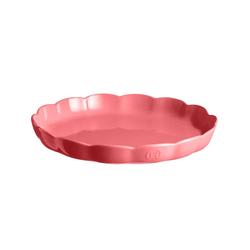
-
(8)
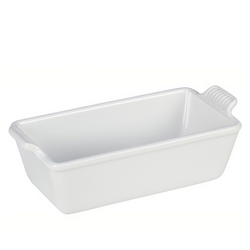
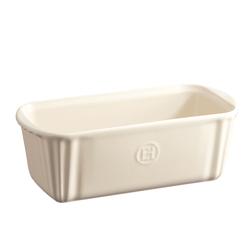
A durable white stoneware loaf pan with scalloped handles, perfect for baking small loaves and pound cakes.
Pros: appearance, efficient customer service, solid construction
-
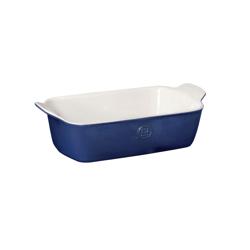
A durable stoneware loaf pan in marseille blue, offering gentle, even heating and scratch resistance.
-
(178)
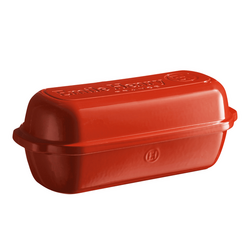
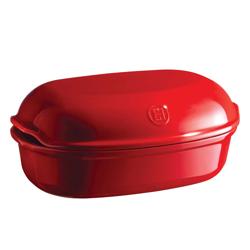
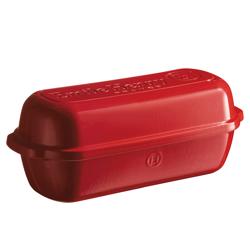
A ceramic long loaf baker in poppy orange Burgundy clay with domed lid for crisp crusts.
Pros: quality, good value, loaf shape
-
(58)
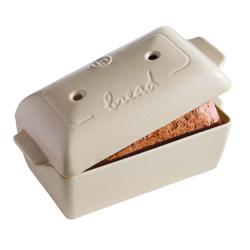
A ceramic bread loaf baker with a covered design, vent holes, and Burgundy clay for even heating and tender crumbs.
Pros: easy cleanup, quality, design
-
(31)
A burgundy clay loaf baker with crisscrossed lines for perfect artisan-quality bread at home.
Pros: versatility, good crust, quality
-
(10)
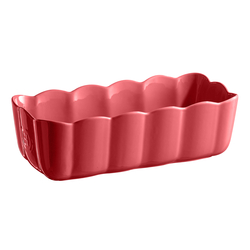
A rose candy pink loaf pan made from Burgundy clay for even heat distribution and non-stick baking.
Pros: versatile, beautiful, easy to work with
-
A durable and attractive small loaf pan made of Burgundy clay for even heat distribution.
-
A blue Burgundy clay pan that ensures even baking and rustic presentation with superior heat retention.
-
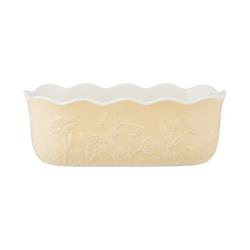
A sunny yellow earthenware loaf pan that transitions beautifully from oven to table with easy cleanup.
Ceramic Loaf Pans For Baking & Serving
A ceramic loaf pan brings everyday baking and serving together, whether you’re making banana bread, pound cake or a savory meatloaf. Explore ceramic and stoneware loaf pans, then compare capacity, shape and finish to find one that suits your recipes and complements your table.

Best Of FAQ
A ceramic loaf pan has a clay-based body, such as stoneware or earthenware. A ceramic-coated loaf pan has a metal body with a ceramic coating. Check the material description to distinguish between the two.
Loaf cakes, pound cakes, meatloaf and small casseroles are other ways to use a ceramic loaf pan. Choose a recipe intended for a loaf-shaped baking dish and follow the pan’s use instructions.
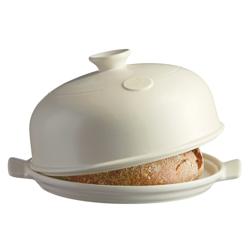
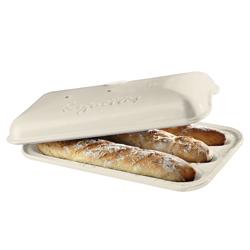
An open loaf pan leaves the top of the food uncovered during baking. A covered bread baker includes a lid and is often designed for yeast-bread recipes. Use the vessel type called for in your recipe.
Many ceramic loaf pans are designed for oven-to-table presentation. Savory dishes can be served in the baker, while breads and cakes can be turned out for slicing according to the recipe.
Consider your existing dinnerware and serving pieces. A coordinating glaze creates a consistent look, while a contrasting color or textured exterior adds a distinct accent. Choose a style you’ll enjoy for both everyday meals and shared dishes.
-
"We enjoy using these pans so much that we've given them to friends who love to cook and bake"
-
"Love it! It's so cute and takes my breakfast casseroles up a notch"
-
"The heat distribution was great, and I didn't burn myself at all"
-
"I love this pan. Bakes great bread. It comes right out. Easy to clean,except for one thing"
-
"Nice spring color, great quality, perfect size, outstanding performance when I cooked the berry tart"