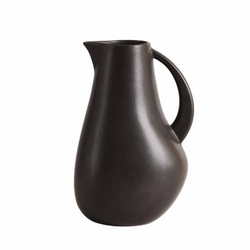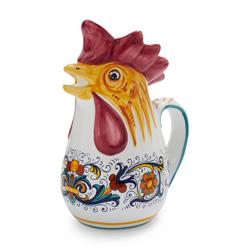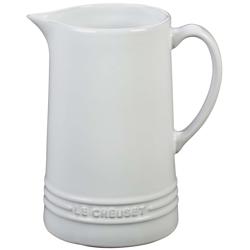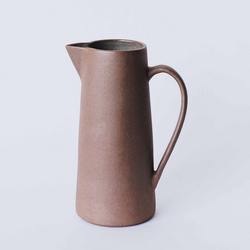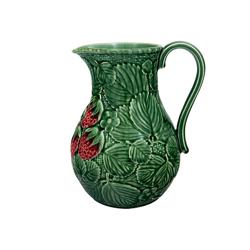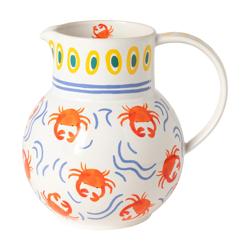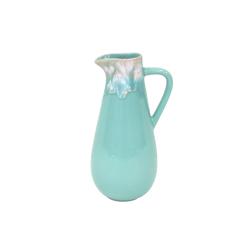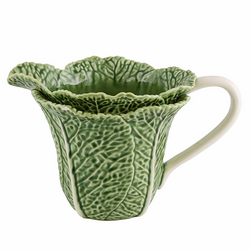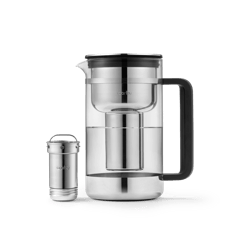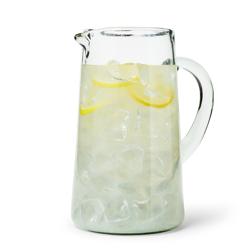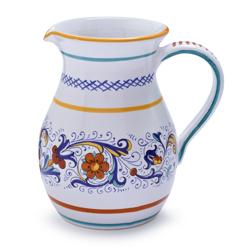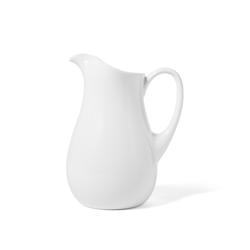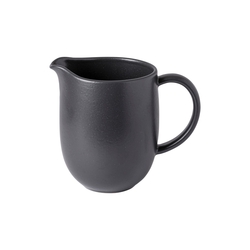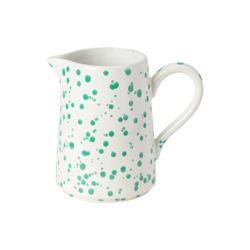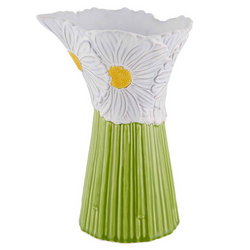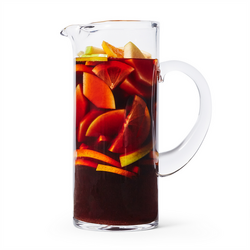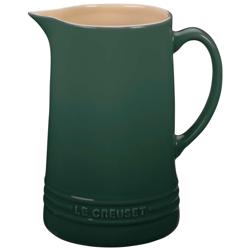
Ceramic pitchers for cold drinks bring iced tea, lemonade, infused water and chilled juice to the table in a vessel that is as useful for everyday meals as it is for entertaining. A food-safe glazed interior, a comfortable handle and a well-shaped pouring spout are important features to consider, along with a size that suits the way you serve. Ceramic is a broad material category that includes stoneware, porcelain and earthenware, each with its own character. Stoneware often has a substantial feel, porcelain can offer a more refined profile and earthenware frequently lends itself to expressive shapes and decorative finishes. Weight, strength and care requirements depend on the individual construction, not just the material name. Ceramic can help slow temperature changes, particularly when the pitcher is already cool, but it does not actively chill a drink or replace refrigeration. For the best results, start with a cold beverage and add ice as desired, leaving enough room to stir and pour without spilling. At breakfast, a modest pitcher of orange juice keeps the table easy to navigate; at dinner, a larger vessel of cucumber water means fewer trips to the kitchen. During the cooler months, chilled apple cider or cranberry lemonade offers a refreshing contrast to a warm meal. An opaque ceramic body also gives the table a different look than clear glass, keeping the focus on the pitcher’s glaze, silhouette and color rather than the contents. Soft neutrals sit comfortably beside patterned plates, while a rich glaze or textured exterior can give a simple table setting a little more presence. Because the liquid level is not visible through the sides, an open mouth that makes it easy to check the contents is especially useful. The right balance is practical and personal: a pitcher should hold enough for the occasion, feel manageable when full and look at home beside the glasses you reach for most often.
Size and fit matter just as much as appearance when choosing a ceramic beverage pitcher. Capacity tells only part of the story, since ice, citrus slices and other additions take up space that would otherwise hold a drink. A smaller pitcher is often easier to lift for a quiet breakfast or lunch for two, while a larger one works well for family dinners and gatherings where water or iced tea will be poured repeatedly. For a crowded table, two manageable pitchers can be more convenient than one oversized vessel that has to travel from end to end. Consider the footprint, too: a broad base needs more table space, while a tall, narrow shape may fit between serving dishes but require extra clearance in the refrigerator. Check the overall height and width, including the handle and spout, against the shelf where the pitcher will sit. A wide opening helps with filling, stirring and cleaning, especially when adding lemon wedges, mint sprigs or ice cubes. The handle deserves close attention because the weight of the ceramic adds to the weight of the beverage. Look for enough room to wrap fingers securely around it and a shape that supports a controlled tilt. For anyone who finds heavy serving pieces uncomfortable, a smaller capacity and lower empty weight may matter more than holding an entire batch at once. Explore
ceramic pitchers with handles with these everyday serving details in mind. A defined spout can help direct the stream into a glass, though pouring performance depends on its shape and how quickly the pitcher is tipped. When a design includes a lid, consider how it stays in place during pouring and whether it helps hold back ice or fruit. A lid may offer a useful cover, but it should not be assumed to create an airtight seal. Match the shape to the drinks you serve most: a pitcher used for plain water has different demands than one filled with fruit-studded punch.
Good care helps a ceramic pitcher remain a dependable part of the table. For beverage use, choose a vessel intended for food contact, with an interior finish suitable for the drinks it will hold. A smooth, intact glaze makes cleanup easier and helps limit absorption of liquid, flavors and odors, particularly in more porous ceramic bodies. Decorative pottery is not automatically suitable for serving, and an unglazed or damaged interior calls for extra caution with acidic drinks such as lemonade or citrus punch. Follow the manufacturer’s care instructions rather than assuming all ceramic pitchers are dishwasher safe. Where hand-washing is recommended, use mild dish soap, warm water and a soft sponge or nonabrasive brush that can reach the bottom and the area beneath the spout. Rinse away fruit pulp and tea residue promptly, and allow the pitcher to dry thoroughly before putting it away. Hand-painted details, metallic accents and certain glazes may need gentler handling than a plain, dishwasher-safe finish. Avoid sudden temperature changes: a pitcher that has just come from a hot dishwasher should cool before receiving ice water, and a vessel intended for cold drinks should not be treated as suitable for boiling liquids without explicit care guidance. Ceramic can be durable in daily use, but hard knocks against a faucet, countertop or another dish may chip the rim or spout. Check for cracks, chips and changes to the interior glaze, and stop using a damaged pitcher for drinks. Store it where the handle is protected and it does not need to be wedged between heavier pieces. With those practical details considered, a ceramic water pitcher makes a thoughtful housewarming or wedding gift, especially for someone who enjoys shared meals and useful pieces with a decorative side. A versatile color can complement an established dinnerware collection without requiring an exact match. Between meals, a clean pitcher can also hold a casual arrangement of flowers, provided it is thoroughly washed before returning to beverage service. Its lasting appeal comes from that combination of everyday usefulness and a welcoming presence, whether it is holding iced tea for a weekend lunch or water within easy reach at supper.