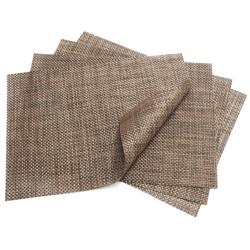
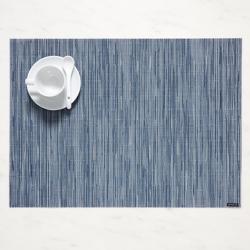
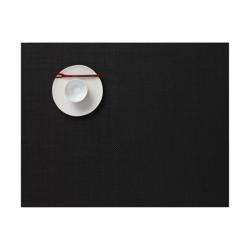
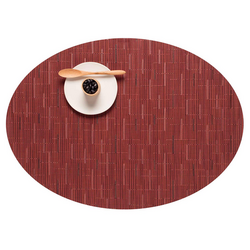
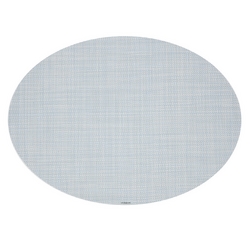
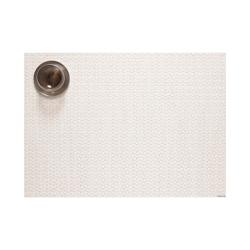
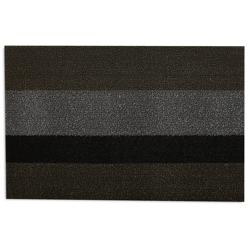
Brown woven placemats bring earthy color and textured detail to everyday table settings, with easy-care constructions suited to indoor dining and, when specified by the maker, outdoor use. Their appeal is practical as well as decorative: each mat gives a place setting a defined space while adding a layer between dinnerware and the tabletop. Brown is especially versatile because it can feel relaxed beside stoneware or more polished beneath porcelain without competing with the food being served. Shades within the brown family can lean golden, reddish, gray or nearly black, so the overall effect depends as much on undertone as on depth of color. A cocoa-colored surface creates a different impression from a lighter, taupe-leaning neutral, even when both sit comfortably alongside natural wood. Woven construction adds another dimension. Fine, closely spaced yarns can create a subtle surface, while a more pronounced weave makes texture a noticeable part of the setting. Intersecting strands catch light differently, giving a neutral mat visual interest without requiring a bold print. That detail works particularly well at a table where the dishes are simple and the food provides most of the color. Materials also shape the experience of using a placemat. Vinyl-coated yarns, sometimes constructed around a polyester core, create a flexible woven surface that can be easier to wipe clean than absorbent fabric. The precise fiber content and care requirements depend on the construction, so material descriptions are useful when comparing the feel and upkeep of different designs. A woven appearance does not necessarily mean cotton, linen or another washable textile. For households that use the dining table for everything from a quick breakfast to a full evening meal, that distinction matters. The right mat feels appropriate for a bowl of oatmeal and a coffee cup, yet still looks considered when the table is set with serving dishes, folded napkins and glasses for guests.
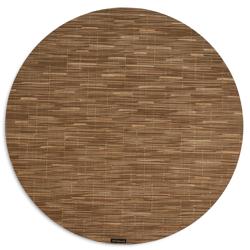
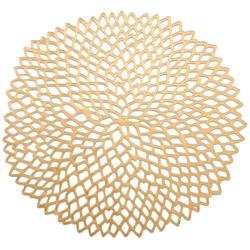
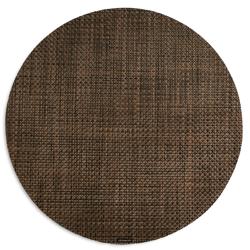
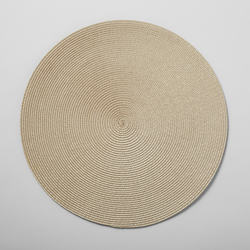
Shape and scale determine how comfortably placemats fit into a setting. A mat needs enough room for the dishes used most often, along with a little breathing room between neighboring places. On a compact table, an oversized mat can make the surface feel crowded even if its color is understated. On a larger table, a small mat may leave the place setting looking disconnected from the space around it. The relationship between the mat and the dinner plate is particularly useful: a visible border allows the woven texture to contribute to the setting rather than disappearing almost entirely beneath the dish. Rectangular shapes create clear lines and a familiar arrangement, while circular shapes soften the outline of a place setting. For that softer effect,
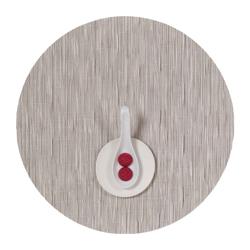
Chilewich Round Placemats can complement the curves of dinner plates and help create separation between settings on a round table. Round shapes also work on rectangular tables, especially when the rest of the arrangement is simple. Whatever the shape, a flat surface and enough space for glasses help keep the setting comfortable to use. Brown makes these practical choices easy to carry across different decorating styles. Against a pale tabletop, it creates a clear frame for white dinnerware. On darker wood, a lighter brown or a contrasting weave can provide definition without a sharp color change. Blue dishes bring out the warmth in many brown tones, while green, cream and gray create quieter combinations. Cloth napkins can repeat one of those colors or introduce a small pattern without making the table feel busy. Matching every element is not necessary; differences in texture often make a neutral setting more inviting. A smooth plate, a woven mat and a softly folded napkin each contribute something distinct. That balance suits a casual lunch just as well as a dinner with several courses, allowing the same foundation to work with different dishes and serving pieces.
Easy care is one of the most useful qualities of a woven placemat, but the best cleaning routine follows the maker’s directions rather than assumptions about its appearance. Many vinyl-based woven mats can be cleaned with a soft cloth, mild soap and water, making them practical for the small spills and crumbs that come with regular meals. Food caught in the weave may need gentle attention, and soap residue should be removed as directed before the mat is allowed to dry. Unless the care instructions specifically permit it, machine washing, dishwasher cleaning and ironing are not appropriate substitutes for surface cleaning. Abrasive scrubbers and strong cleaning products can also affect a finish or damage the woven surface. Prompt cleanup helps limit the time sauces, oils and other spills remain in contact with the material, although no brown shade should be treated as a guarantee against visible stains. Cleaning beneath the mat matters, too: an open weave can allow crumbs or liquid to reach the table, and moisture should not remain trapped against a sensitive finish. Placemats are not substitutes for trivets, so hot cookware and serving vessels need protection designed for that purpose. Compatibility with a particular tabletop finish is also worth confirming before regular use. When not on the table, storing mats clean, dry and flat helps preserve their shape; folding can leave creases in materials not intended to be folded. For outdoor meals, the design should be approved for outdoor use and cared for according to its instructions. These details make brown woven placemats a thoughtful choice for people who enjoy a welcoming table but prefer a straightforward cleanup routine. They can also make a useful housewarming or wedding gift, particularly when the recipient’s table dimensions and preferred colors are known. A well-chosen neutral can settle easily into an established collection of dishes, bringing texture and definition to daily meals without requiring a whole new table setting.