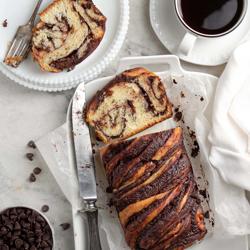
Chocolate dessert group experiences bring people together around one of the most naturally social ingredients: rich, aromatic, hands-on chocolate. Whether the gathering is a relaxed evening with friends, a birthday celebration, a team-building event, or a special occasion for family, these experiences give guests something to do, share, and remember. A guided tasting can turn a simple dessert into a sensory adventure, with participants comparing the flavor, texture, aroma, and finish of chocolates from different origins or cacao percentages. Hands-on formats add another layer of connection, inviting everyone to roll truffles, decorate individual desserts, shape confections, or create personalized combinations with ingredients such as toasted nuts, dried fruit, espresso, sea salt, spices, and crunchy toppings. For smaller groups, an intimate tasting or tabletop fondue setup encourages conversation without requiring a packed schedule. Larger gatherings may benefit from stations that let guests move at their own pace, sample several preparations, and return for seconds. During the cooler months, warm chocolate desserts and cocoa-inspired gatherings create an especially welcoming atmosphere, filling the kitchen or event space with the scent of melted chocolate, vanilla, cinnamon, and toasted sugar. These experiences can be as polished or informal as the occasion calls for, making them a thoughtful choice for hosts who want dessert to serve as both a treat and a shared activity. For a gathering centered on friendship and conversation, explore
Chocolate Dessert Classes For Friends for additional inspiration when choosing an experience that feels comfortable, creative, and easy to enjoy together.
When comparing chocolate dessert group experiences, start with the size and energy of the group. A small gathering may have more fun with a focused activity that gives every participant room to work, while a larger party often needs multiple workstations, pre-portioned ingredients, or a format that can be completed in stages. Consider whether guests will be seated at a table, moving between stations, or gathering around a central display. An interactive tasting works well for lower-key networking and milestone celebrations because it naturally prompts conversation, while decorating and shaping activities are a good fit for guests who enjoy learning by doing. More structured formats can introduce the fundamentals of chocolate preparation, including the importance of temperature, texture, and timing. When chocolate is heated and cooled carefully, it can develop a smooth finish and clean snap; when it is blended into a filling or folded into a batter, it can become soft, creamy, dense, or wonderfully light. A class or guided activity may be the best choice when the group wants instruction and a finished dessert to enjoy, while a self-directed setup may suit hosts who prefer flexibility and casual mingling. It is also worth reviewing the expected skill level, preparation time, serving size, and cleanup involved. Some experiences are designed to be completed in one sitting, while others require chilling, setting, or advance preparation. Guests with dietary restrictions should be considered before choosing ingredients, especially when recipes may include dairy, gluten, nuts, eggs, or alcohol-based pairings. Clear ingredient information and adaptable toppings can help hosts make the gathering welcoming for more people without taking away from the indulgence.
Chocolate dessert experiences also make memorable gifts because they offer more than something sweet to unwrap: they create an opportunity to spend time together. A friend who enjoys baking may appreciate a technically focused session on tempering, molding, or plated dessert presentation, while a less experienced cook may prefer simple decorating, dipping, or truffle-making with plenty of room for creativity. Families can choose activities that welcome different ages and skill levels, with straightforward tasks for younger participants and more detailed finishing work for adults. For workplace gatherings, collaborative chocolate challenges, blind flavor profiling, dessert trivia, or team-based decorating can encourage lighthearted problem-solving without feeling overly formal. Hosts planning a celebration should think about the mood they want to create. A refined tasting paired with coffee or another beverage can suit an evening reception; a lively dessert station can become the centerpiece of a birthday or shower; and individual portions can make service easier when guests are arriving and leaving at different times. Look for options that match the available space, equipment, serving needs, and time commitment, and choose an experience that leaves enough room for conversation rather than making the schedule feel rushed. With the right balance of guidance, creativity, and chocolate to share, a group dessert experience can transform an ordinary gathering into a warm, memorable occasion that guests continue talking about long after the last bite.