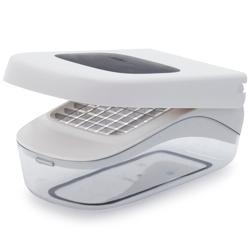
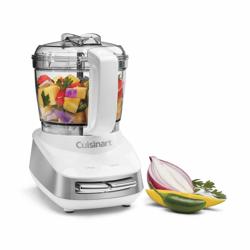
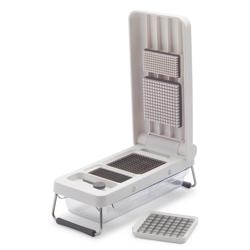
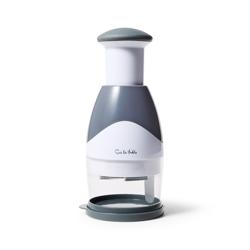
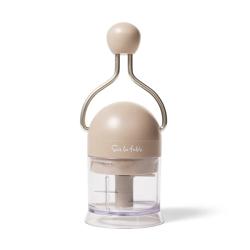
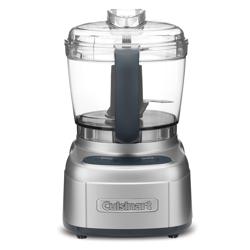
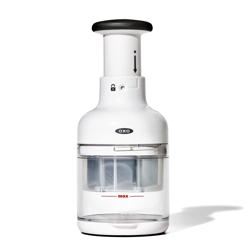
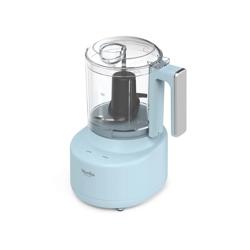
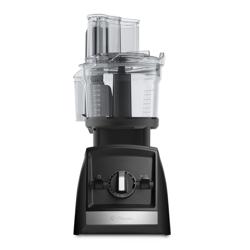
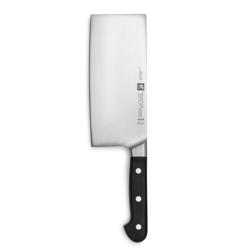
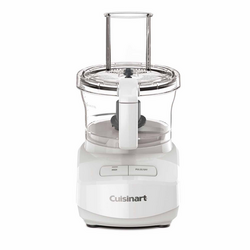
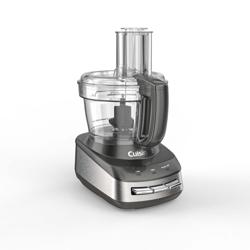
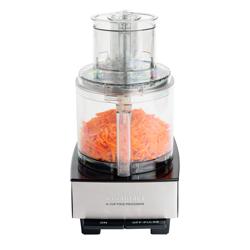
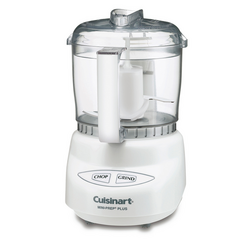
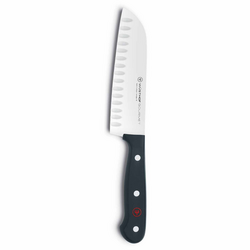
Choppers bring a little more ease to the prep that happens before a meal comes together: onions for a pot of beans, herbs for a bright dressing or a handful of nuts to finish a salad. They give everyday cooks a dedicated way to break ingredients into smaller pieces without pulling out a full-size food processor for every task. Within this category, different chopping mechanisms suit different habits. Some manual choppers use a press or pull action to move blades through food, while other designs push ingredients through a cutting grid for a more consistent dice. Electric choppers handle repeated cutting with a motor, making them useful for small batches of aromatics, chopped vegetables and other ingredients suited to their blades. The best fit depends less on how many functions a tool promises and more on what regularly lands on the cutting board. A cook who makes fresh salsa may appreciate control over a coarse texture, while someone preparing vegetables for rice bowls may prefer evenly sized pieces that cook at a similar rate. For a quick lunch, a compact chopper can help turn a few vegetables into a filling for wraps or a crunchy topping for leftovers. For a larger meal, a roomier design can reduce the number of batches needed. Choppers also have a place alongside traditional knife work rather than replacing it entirely. Trimming stems, removing pits and cutting larger vegetables into manageable portions generally happen before ingredients go into the bowl or cutting chamber. A
chopping knife complements that routine when a recipe calls for hand-cut pieces or ingredients need initial preparation. Whether cooking means a quiet dinner for two or several containers of lunches, a well-chosen chopper supports the pace and portions that make sense in that kitchen. Its value is often in those small, repeated jobs that otherwise interrupt the flow of making a meal.
Materials, capacity and construction all influence how a food chopper feels in use. Stainless steel is a common blade material because it offers corrosion resistance and can hold a useful cutting edge, though blade shape, quality and care also affect performance. Clear bowls or collection containers make it easier to watch the texture develop, helping prevent crisp vegetables from becoming finer than intended. Plastic containers are generally lightweight and easy to move around the counter, while glass bowls, when used in a design, add weight and may be less prone to retaining odors. Neither material makes a chopper right for every task; secure assembly and compatibility with the intended ingredients matter just as much. A sturdy base helps keep the tool settled, and a handle, lid or pull mechanism should feel comfortable through repeated motions. Manual does not necessarily mean effortless: dense carrots and other firm vegetables can require substantial pressure, especially when pushed through a grid. Cooks who find pressing or gripping uncomfortable may prefer the operation of an electric design, while still considering how easily the lid opens and the bowl lifts away. Capacity deserves a practical look, too. A container needs room for ingredients to move, so its stated size does not always represent the amount that can be chopped effectively at once. Smaller chambers can be useful for modest portions, but very small quantities may sit below or away from the blades in a larger bowl. For households that cook in batches, the extra space may be worth the storage footprint. Durability also depends on the parts that see regular movement, including hinges, cords, locking tabs and blade supports. Solid connections and components that come apart without forcing can make daily use more straightforward. Consider where the chopper will live between meals, whether its pieces nest together and how much counter space is needed to load, operate and empty it comfortably. A tool that fits the kitchen is easier to make part of a routine.
Intended use is especially important because vegetable choppers, pull-style tools and compact electric designs do not all produce the same results or accept the same foods. A cutting grid may create defined pieces, while rotating blades generally give a texture that changes with the number of pulls, presses or pulses. Firm produce often benefits from being cut into smaller sections first; tender herbs need a lighter touch to avoid bruising or turning into a wet mass. Tomatoes and other juicy ingredients can release liquid as they are chopped, which may be welcome in a sauce but less helpful when aiming for a crisp salad topping. Working in manageable batches and checking progress gives more control than continuing until everything looks perfectly uniform. Ice, bones, frozen foods and very hard ingredients should only go into a chopper specifically designed to handle them. Care is another part of the fit, particularly for a tool that may be used several times a week. Removable blades and accessible corners can make rinsing away onion fragments or herb leaves easier, while cutting grids may need careful brushing to clear food from the openings. Follow the manufacturer’s cleaning instructions rather than assuming every detachable part is dishwasher safe, and keep motorized bases out of water. Sharp components require deliberate handling during assembly, cleaning and storage, even when the blades are enclosed during operation. Allow washed parts to dry thoroughly before putting them away, and store loose blades securely. For someone setting up a first kitchen, a chopper can be a thoughtful gift that supports simple meals without demanding advanced knife skills. It can be equally useful for an experienced cook who enjoys making relishes, finely chopped garnishes or vegetable-rich fillings but wants less repetitive prep. Matching the tool to the recipient’s cooking style, available storage and preferred cleanup routine makes the choice more personal. The goal is not to add another gadget to a crowded drawer, but to find a practical helper for food they already love to make.