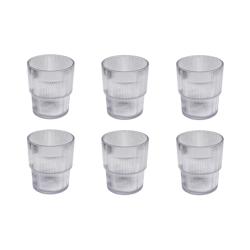
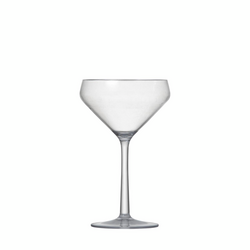
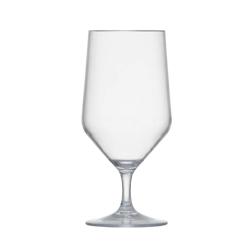
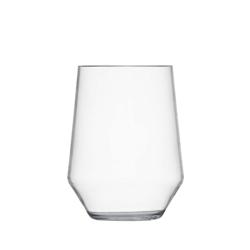
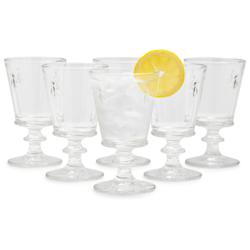
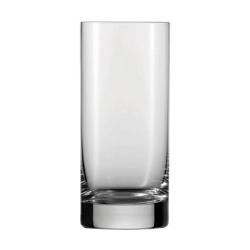
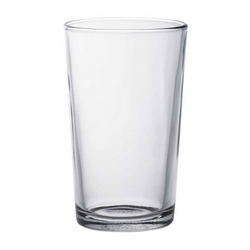
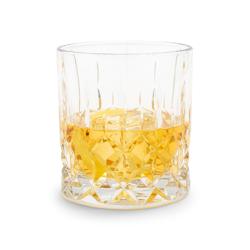
Clear plastic glasses are lightweight drinking vessels made from transparent plastic rather than glass, offering a practical way to serve water, iced tea, juice and cocktails. Their clear finish keeps the focus on the drink, whether that means a slice of lemon in sparkling water or the deep red of a berry punch. For everyday meals and gatherings, reusable plastic drinkware can bring the familiar appearance of glass to settings where lighter weight and resistance to breakage matter. A dining table, a picnic blanket and a busy buffet each place different demands on a drinking vessel, but all benefit from a shape that feels comfortable to hold and rests securely between sips. Clear designs also work with a wide range of dinnerware, so they can move from a casual lunch to a more thoughtfully arranged table without competing with patterned plates or colorful linens. Shape plays a practical role as well as a visual one. A taller profile leaves room for ice and a longer drink, while a shorter, broader shape can feel more settled beside a dinner plate. Stemmed silhouettes give wine and other beverages a more traditional presentation, while stemless designs eliminate the slender stem and may be easier to fit into a cabinet. Capacity deserves a little attention: a glass filled with ice holds less liquid than its stated volume might suggest, and a generous rim leaves space for garnishes without crowding the drink. For family meals, smaller proportions may be easier for smaller hands to manage, though the rim and grip matter just as much as the overall size. Transparent sides also make it easy to see when someone needs a refill. The result is drinkware that can look at home on the table while serving a straightforward purpose: making drinks comfortable to carry, hold and enjoy.
The material behind that clear appearance makes a difference in how the drinkware feels and how it should be cared for. Acrylic and copolyester are among the plastics used for reusable drinking vessels, but the name of a material alone does not establish whether a particular design is dishwasher safe, suitable for hot liquids or appropriate for every setting. Those details depend on the manufacturer’s specifications. Acrylic can offer a crisp, glasslike appearance, while some copolyester formulations are designed for greater impact resistance. Neither description should be treated as a promise that a vessel cannot crack, scratch or break. Wall thickness, construction and use all affect durability, and a heavier feel does not automatically mean better performance. For serving, a smooth rim and a comfortable balance are worth noticing; for storage, the shape of the base and the way the sides meet can matter just as much. Designs intended to stack can help conserve cabinet space, but nesting glasses that were not made for stacking may cause sticking or surface wear. Care is usually simple when it follows the directions for the material. Hand-washing with a soft sponge and mild dish soap can help preserve clarity, while abrasive scrubbers can leave fine scratches that become more noticeable over time. If dishwasher cleaning is permitted, follow any rack-placement and cycle instructions rather than assuming that every reusable plastic glass can handle the same treatment. Microwave use and hot beverages also require explicit manufacturer approval. Letting drinkware dry thoroughly before putting it away helps prevent trapped moisture, especially when several pieces sit close together. Check reusable glasses periodically for cracks, damaged rims or deep scratches, and replace pieces that show significant wear. With plastic drinkware, lasting clarity is as much about suitable care as it is about the initial appearance. A little attention to cleaning and storage helps keep the surface looking its best between meals and gatherings.
How clear plastic glasses fit into daily life often comes down to the details around the table. For a household that carries drinks from the kitchen to a patio, light weight can make a full tray more manageable. For a game night, a stable base and a comfortable grip may matter more than a decorative silhouette. At a buffet, a straightforward shape gives guests something easy to pick up while balancing a plate. Clear drinkware can also simplify a mixed table setting: its neutral appearance works beside stoneware, porcelain or melamine without introducing another color to coordinate. Cloth napkins, a simple pitcher and a few citrus slices can provide all the decoration a casual meal needs. When the setting extends beyond the dining room,
Clear Outdoor Glasses offer a related direction for drinkware suited to patios, picnics and other open-air meals. Any rules about drinkware around a pool or at a shared venue still deserve a check, since requirements vary by location. At home, practical fit includes the less visible spaces, too. A tall profile needs enough cabinet clearance, a wide bowl may take more room on a shelf and a broad base may not suit every cup holder or serving tray. Comfortable handling is especially useful for anyone who prefers lighter tableware, although grip and balance are individual preferences rather than guarantees attached to a material. Reusable clear plastic drinkware can also make a thoughtful housewarming gift for someone setting up a first kitchen or creating a casual entertaining space. It is most useful when the proportions and care requirements match the recipient’s habits, whether that means relaxed family dinners or frequent meals with friends. The best fit is not necessarily the largest or most decorative design, but one that feels pleasant in the hand, stores without fuss and suits the drinks served most often.