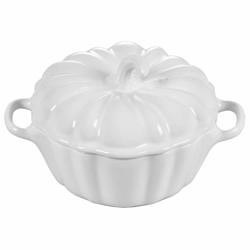
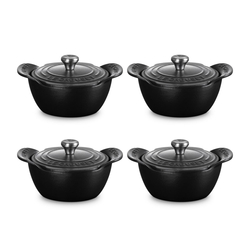
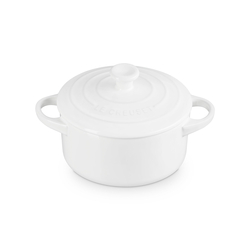
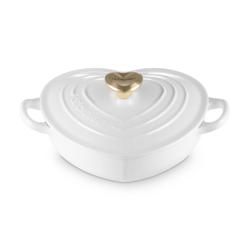
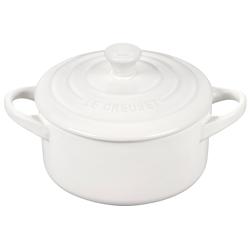
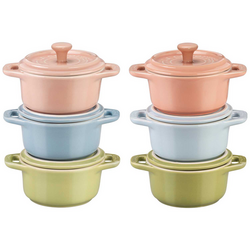
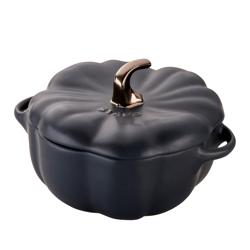
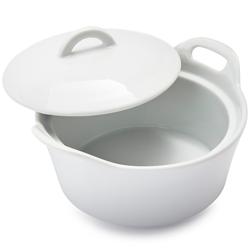
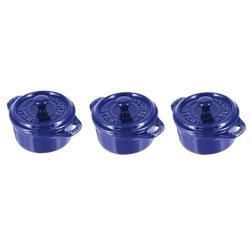
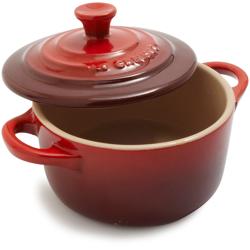
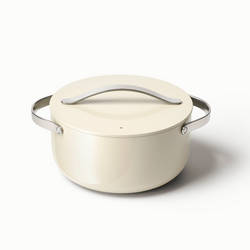
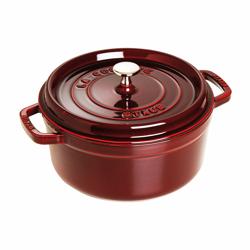
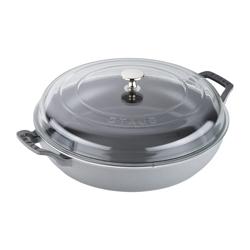
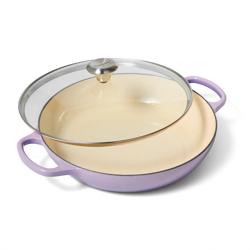
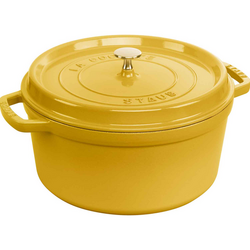
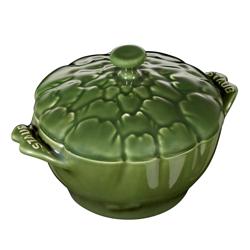
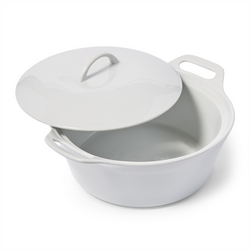
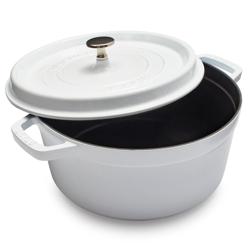
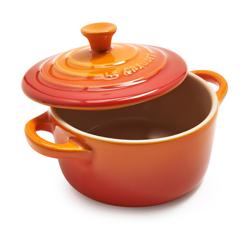
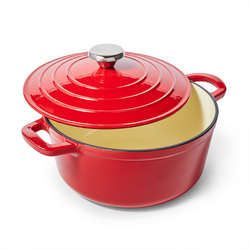
Cocottes are lidded cooking and baking vessels used for dishes ranging from individual pot pies and baked eggs to slow-cooked stews. As a kitchen upgrade, they bring together practical cooking performance and a serving piece that looks at home on the table. Mini cocottes are especially useful for single-serving portions, while larger versions accommodate shared meals. The material makes an important difference in how each vessel works. Glazed stoneware and ceramic cocottes are well suited to oven-baked dishes such as macaroni and cheese, fruit crumbles and creamy vegetable gratins. Their decorative finishes also make them appealing for serving dips, olives or a small dessert without transferring food to another dish. Enameled cast iron cocottes offer a different kind of versatility: models approved for stovetop use can move from browning ingredients to a covered simmer or an oven braise. Cast iron takes time to heat but holds that heat well, making it useful for steady cooking and serving at the table. The enamel provides a cooking surface that does not require the seasoning associated with bare cast iron and is suitable for acidic ingredients such as tomatoes and wine when used according to the manufacturer’s directions. Ceramic and stoneware should not be treated as stovetop cookware unless specifically approved for that use. Across materials, the lid gives a cocotte much of its usefulness, helping limit moisture loss during covered cooking. Uncovered, the same vessel can give a breadcrumb topping or pastry crust room to brown. That flexibility suits cooks who want familiar recipes to work a little harder: a mushroom filling becomes an individual pot pie, leftover roasted vegetables become a baked egg breakfast and sliced fruit becomes dessert beneath a simple crumble topping. A cocotte earns its place through those repeat uses, not just the occasional elaborate meal. It can make everyday cooking feel more considered without requiring a new set of techniques or an entirely different menu.
Capacity and shape help determine how comfortably cocottes fit into a cooking routine. A small vessel that works beautifully for a rich chocolate dessert may not hold enough for a main-course portion, especially once a filling and topping are added. Stated capacity describes volume, but baked dishes often need space below the rim for bubbling sauces, rising batter or a pastry lid. Interior depth matters, too: a deeper cocotte accommodates layered fillings, while a wider cooking surface gives gratins more room for a crisp topping. Round shapes are easy to arrange at individual place settings and useful for everything from baked eggs to small casseroles. The
Kitchen Round Cocottes collection offers a focused place to explore that classic shape. Oval silhouettes can suit longer ingredients or fit differently alongside other dishes, so the dimensions deserve as much attention as the capacity. Handles, lid knobs and the space between oven racks all affect everyday fit. A comfortable grip is particularly important when lifting a filled vessel with oven mitts, and cast iron becomes noticeably heavier once food is added. For individual cocottes, enough space on a baking sheet makes moving several portions into and out of the oven more manageable. At the table, a heat-resistant trivet or suitable underplate protects the surface beneath each hot dish. Color and finish also have a practical role in a kitchen upgrade. A neutral glaze can sit comfortably beside existing dinnerware, while a stronger color gives a simple meal a distinct focal point. Matching cocottes create a consistent presentation for a dinner gathering; different colors can help distinguish portions with different fillings. Individual servings are useful when one guest prefers mushrooms and another wants spinach, though separate vessels alone do not prevent allergen cross-contact. For smaller households, they can also make a modest amount of food feel like a complete meal rather than an oversized casserole with more leftovers than planned. The result is bakeware that supports both the cooking and the way a meal is shared.
Lasting value comes from matching the material to the intended use and giving it appropriate care. Glazed ceramic and enameled cast iron surfaces can be durable, but neither is immune to chips from knocks against a sink, countertop or another piece of cookware. Gentle handling, nonabrasive cleaning tools and protected storage help preserve the finish. Wooden or silicone utensils are a sensible choice for protecting glazed and enameled interiors, especially when serving directly from the vessel. Thermal shock is another consideration: a hot cocotte should not go straight into cold water, and a chilled vessel should not move directly into a hot oven unless its manufacturer expressly allows it. Oven, broiler, microwave and dishwasher compatibility varies by material and construction, including the lid and knob. Metal cocottes do not belong in a microwave, and a ceramic body does not automatically mean every component is suitable for every appliance. Induction cooking requires a compatible base, so stovetop suitability should be checked separately from oven suitability. Even when dishwasher cleaning is permitted, hand-washing may help preserve a finish; soaking cooled cookware can loosen baked-on food without aggressive scrubbing. Storage is worth considering before adding several cocottes to a cabinet. Lids need a secure place to rest, and protective layers between stacked pieces can reduce contact between hard surfaces. These details matter most when a vessel becomes part of the weekly routine rather than something reserved for guests. Cocottes make thoughtful gifts for someone setting up a kitchen, a cook who enjoys individual desserts or a host who likes bringing food straight from oven to table. Smaller formats can suit a person cooking for one or two, while a larger cooking vessel may be more useful for someone who regularly prepares shared meals. The best fit reflects what the recipient actually cooks, the appliances they use and the space they have. A well-chosen cocotte adds another way to prepare and present familiar food, whether that means a bubbling bean gratin for dinner or a small baked custard to finish a meal.