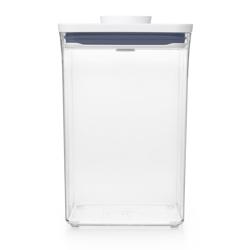
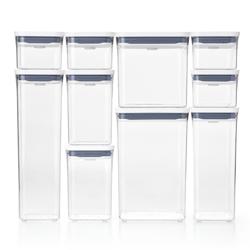
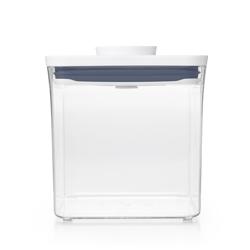
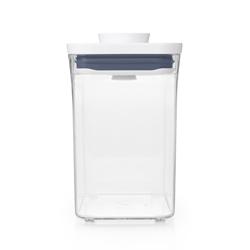
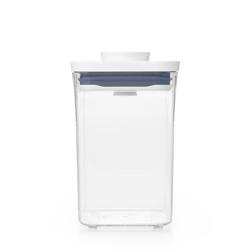
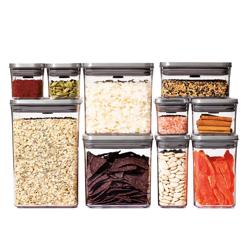
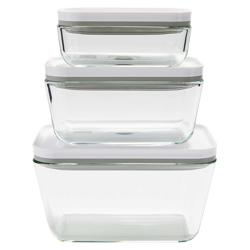
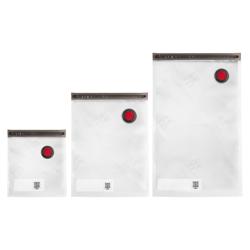
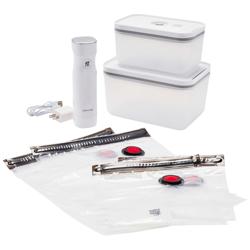
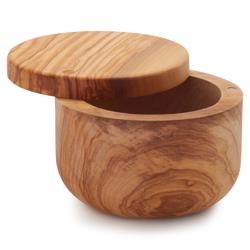
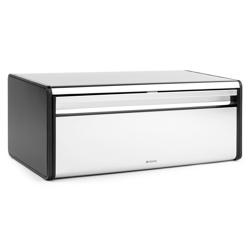
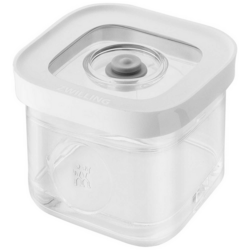
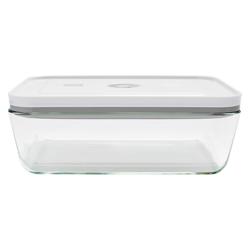
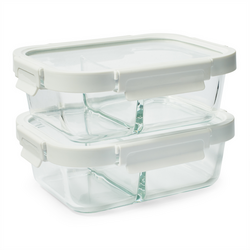
Coffee canisters for pantry organization give whole beans and ground coffee a dedicated home while helping protect them from air, moisture and surrounding food odors. The most useful designs pair a secure closure with a capacity that suits your usual coffee purchase and a shape that fits comfortably on your shelves. For a pantry that holds everything from baking supplies to breakfast staples, that combination makes a practical difference: fewer folded bags tipping over, less loose coffee collecting in corners and a clear place to reach for the morning brew. Airtight coffee canisters limit the exchange of air when properly closed, while vacuum designs remove some of the air inside through a pump or other mechanism. Neither can stop coffee from aging, but a well-maintained seal and a cool, dry storage location help preserve its aroma and flavor. Opaque containers offer protection from light, making them especially useful on open pantry shelves or near a doorway that lets in daylight. Clear containers make it easier to see how much coffee remains and can work well in a dark, enclosed cupboard. Whatever the material, keep coffee away from the heat of an oven, direct sunlight and damp areas. A shelf beside strongly scented spices is also less forgiving of a loose-fitting lid than a dedicated beverage shelf. For households that brew every day, the best storage is often the kind that feels effortless to use: a lid that closes reliably, an opening wide enough for a scoop and a container that is easy to lift without shifting everything around it. Keeping regular coffee and decaf in separate, clearly identified canisters can simplify busy mornings and make it easier for guests to find their preferred brew. Matching containers can create a uniform look, but easy identification matters just as much as appearance. A simple label with the coffee type and roast date keeps useful information close at hand after the original bag is gone.
Material, construction and shelf fit all influence how a coffee storage container works in daily use. Stainless steel is a durable, light-blocking choice that stands up well to frequent handling, although finishes may show fingerprints and the contents are hidden from view. Ceramic brings a substantial feel and an appealing presence to open shelving, but it needs careful handling to avoid chips, particularly around the rim where the lid meets the body. Glass lets you check the coffee level at a glance and is generally easy to inspect for residue, though it can break if knocked against a hard shelf or dropped. Food-storage plastic offers a lightweight alternative; check its care instructions and suitability for repeated use, since scratches and lingering odors can become concerns over time. Across materials, the closure deserves close attention. A gasket should sit evenly, and any latch, valve or vacuum component should be straightforward enough to operate every time you make coffee. A decorative lid alone does not necessarily provide an airtight seal. Size is equally important, especially in a pantry with shallow shelves or limited clearance. Measure the shelf depth and the space above the container, allowing room to remove the lid or lift the canister out. A tall, narrow shape may use vertical space efficiently, while a shorter, wider vessel can be easier to scoop from on a lower shelf. Square profiles can sit neatly side by side, though rounded interiors may be simpler to wipe clean. When comparing capacities, distinguish between fluid ounces, which measure volume, and ounces of coffee, which measure weight. A container labeled in fluid ounces will not hold that same number of ounces of beans. Bean size, roast and whether the coffee is whole or ground also affect how much fits. Look for a stated coffee capacity when provided, and choose a size close to the amount you normally keep. An oversized canister leaves more air around a small supply, while an undersized one leaves you managing leftover coffee in a separate bag.
A well-organized coffee shelf should support the way you actually brew, whether that means grinding beans for a weekend French press or scooping ground coffee into a drip machine before work. Leave enough space around the canister to get a comfortable grip, and keep filters, a clean scoop and other frequently used supplies nearby without crowding the lid. If you buy larger quantities, a smaller everyday container alongside a securely closed reserve can reduce how often the main supply is opened. Buy amounts you can enjoy while the coffee still tastes its best rather than relying on a storage container to extend freshness indefinitely. Ground coffee loses aroma more quickly than whole beans because more of its surface is exposed to air, so a reliable closure and sensible batch size are especially helpful. Avoid continually pouring new coffee over old remnants; finish the previous batch and clean the container as needed before refilling. Coffee oils can leave a film on interior surfaces, lids and seals, affecting the aroma of the next batch. Follow the manufacturer's care directions, since a dishwasher-safe body may have a lid or gasket that requires hand-washing. Vacuum mechanisms and wooden components can need different care from the main vessel, and soaking may not be appropriate. Let all washable parts dry completely before reassembly and refilling, and keep wet measuring spoons out of the coffee. Check seals periodically for trapped grounds, wear or damage that could interfere with closure. These small habits help a canister remain useful through repeated refills. For a kitchen where coffee moves between pantry storage and a visible brewing station,
coffee canisters for kitchen countertops offer a related way to consider storage that stays within reach throughout the day. A thoughtfully chosen canister also makes a useful gift for a coffee enthusiast, a new homeowner or someone setting up a first kitchen. Focus on the recipient's space and routine: manageable weight, comfortable handling and enough capacity for a favorite bag of coffee will matter long after the pantry shelves have been arranged.