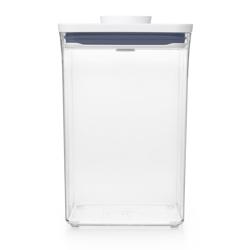
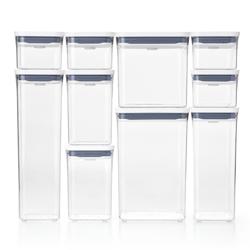
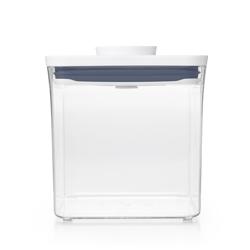
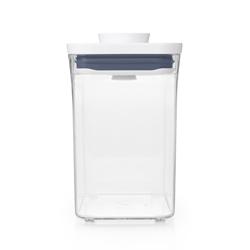
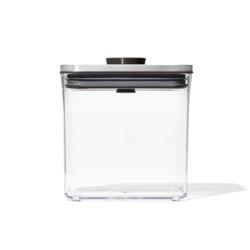
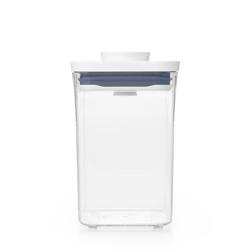
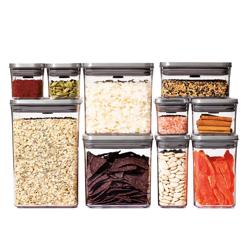
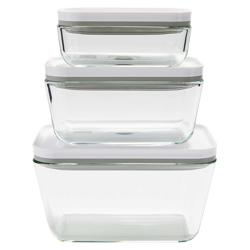
Coffee ground containers help protect ground coffee from air, moisture, light and odors between brews. For everyday storage, an airtight stainless steel or opaque ceramic container is a practical choice: the lid limits air exchange while the solid walls block light. Ground coffee has more exposed surface area than whole beans, so its aroma and flavor fade more quickly after grinding. A well-sealed container helps slow that process, though it cannot restore freshness once coffee has gone stale. The most useful design fits both the amount of coffee being stored and the way it gets measured each morning. Someone filling a drip coffee maker for a household may appreciate a wide opening that leaves room to scoop without brushing grounds onto the counter. A person preparing a single pour-over may prefer a smaller canister that holds a modest supply without taking over the coffee station. Capacity deserves a close look because a container’s listed fluid-ounce volume is not the same as the weight of coffee it holds. Grind size, roast and how loosely the grounds settle can all affect the fit. Coffee-weight capacity, when provided, offers a more useful starting point than liquid volume alone. Choose enough space for a typical purchase with a little room for scooping, rather than a much larger vessel that stays mostly empty. A flat base, an easy-to-grip lid and a closure that feels manageable during daily use matter as much as appearance. Consider where the container will sit, too. A tall canister may tuck neatly beside a grinder but need extra clearance to open beneath a cabinet. A shorter, broader shape can make the last few scoops easier to reach. For a countertop coffee station, an opaque body offers protection from light without requiring a separate cupboard, while a clear container is better kept inside a dark cabinet.
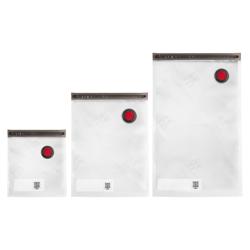
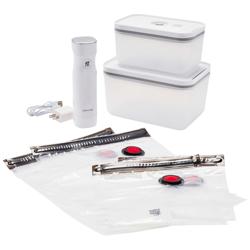
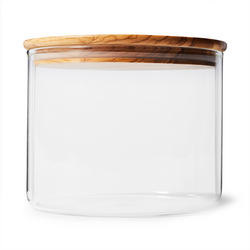
Materials and lid construction shape how a coffee storage container performs over time. Stainless steel is durable, blocks light and generally resists retaining odors, making it a dependable option for frequent handling. Ceramic brings a substantial feel and a wide range of finishes, but it can chip if knocked against a sink or dropped on a hard counter. Glass makes it easy to see how much coffee remains and cleans up well, although clear walls do not shield the contents from light. Lightweight food-storage plastic can be comfortable to lift and convenient for a shared kitchen; its resistance to scratching, staining and lingering odors varies by material and use. Whatever the body is made from, the closure needs equal attention. A fitted gasket helps create a seal, while a loose decorative lid may do little to limit exposure to air. Clamp closures and push-button mechanisms offer different opening motions, so ease of use is worth considering, especially for anyone who finds tight twisting lids uncomfortable. A one-way valve, when included, allows gas released by recently roasted coffee to escape while limiting outside air entering through the valve. That feature serves a different purpose from a vacuum mechanism, which removes some air from the container. Neither replaces a properly fitted lid. Vacuum canisters are not automatically suitable for ground coffee: fine particles can interfere with some pumps, filters or sealing components. Check that the manufacturer specifically permits ground coffee rather than assuming a design intended for whole beans will work equally well. For households that grind just before brewing,
Coffee Bean Storage Containers address the related need to store coffee before it reaches the grinder. Households using both formats may find separate, clearly labeled containers helpful. Keeping regular and decaffeinated coffee apart also prevents mix-ups when someone else makes the morning pot. Labels on the body rather than interchangeable lids can make that distinction easier to maintain.
Day-to-day habits help a good coffee ground container do its job. Store it in a dry cupboard or a sheltered spot away from the stove, dishwasher steam and direct sunlight. Avoid routinely refrigerating a container that gets opened every morning, since repeated changes in storage conditions can introduce condensation, and coffee can absorb surrounding food odors if the seal is inadequate. Use a clean, dry scoop and close the lid promptly after measuring. A broad mouth makes that small routine easier, particularly when transferring grounds into a narrow filter basket or leveling a measure for a French press. If keeping coffee in its original bag is preferable, a container with enough room for the bag can help contain spills and preserve access to the roast information and opening date. The outer lid should still close fully without catching a folded corner of packaging. For coffee poured directly into a canister, finish the older supply before adding more rather than continually covering it with fresh grounds. Emptying the container provides a chance to remove residue, especially the oils that can collect on interior surfaces and develop stale odors. Follow the manufacturer’s care directions, since a dishwasher-safe body does not necessarily mean the lid, valve or gasket can go into the dishwasher. Hand-wash components when directed, rinse thoroughly and let everything dry completely before refilling. Check the sealing area for trapped grounds and inspect removable gaskets for wear; even a sturdy vessel depends on an intact closure. These details also make coffee canisters thoughtful gifts for someone setting up a first kitchen, organizing a breakfast nook or refining an established brewing routine. A gift suited to the recipient’s habits is more useful than one chosen for looks alone: compact storage for a small apartment, a comfortable opening mechanism for daily convenience or distinct containers for different coffees. Whether the goal is a tidier counter or better protection for a favorite grind, the right container makes measuring, storing and cleaning feel like a natural part of brewing.