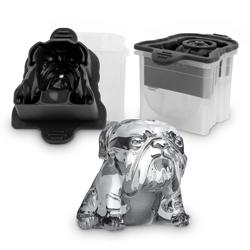
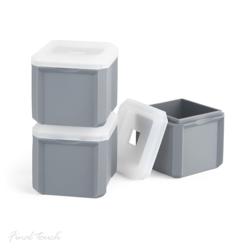
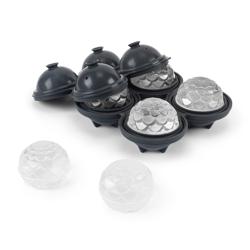
Coffee ice cube trays are freezer-safe molds used to turn brewed coffee or cold brew into cubes that chill drinks without adding plain water as they melt. A specially labeled coffee tray is not necessary; regular food-safe ice cube trays designed for freezer use can serve the same purpose. The right choice depends on the drinks being made, the glasses they go into and the space available in the freezer. Flexible silicone trays make it easier to release frozen coffee by gently pressing beneath each compartment, while rigid plastic trays offer structure for carrying liquid from the counter to the freezer. Some designs combine flexible compartments with a supportive frame, balancing easy release with a steadier grip. Material is only part of the decision. A filled tray needs a level place to rest, and its outside dimensions should fit the intended shelf or drawer without being wedged against other containers. A narrow tray may work well beside frozen groceries, while a wider format can be convenient for preparing several drinks’ worth of cubes at once. Lids are useful for limiting splashes during handling and helping shield the contents from freezer odors, though a covered tray should not be assumed to be leakproof or suitable for stacking unless its design supports those uses. Compartment size matters just as much as overall capacity. Small cubes fit easily into narrow glasses and distribute throughout a drink, while larger cubes need a wider opening and leave more space between the ice and the sides of the glass. Because larger cubes generally melt more slowly than smaller cubes of the same total volume, they can suit a drink enjoyed at a leisurely pace. For a travel tumbler, both the opening and any internal lid components deserve consideration. A cube that fits a drinking glass may not fit through a bottle neck or sit comfortably beneath a tumbler lid.
Frozen coffee is especially useful for iced lattes, cold brew with milk and blended coffee drinks, where melting water ice can change the balance of the finished drink. Coffee cubes contribute coffee as they melt, although the result still depends on the strength of the frozen brew and the liquid poured over it. Cubes made from a bold brew can gradually bring a stronger coffee flavor to a glass of milk, while cubes made from coffee similar in strength to the drink help maintain a more consistent taste. This makes coffee ice cube trays useful for people who sip slowly at a desk, take a drink along on a commute or prefer to prepare part of their coffee routine ahead of time. Cooled brewed coffee and cold brew both work well for this purpose, giving a practical use to an extra portion without requiring a separate appliance. Plain coffee cubes also leave room for different preferences: one person can add milk, another can keep the drink black and someone else can sweeten the finished glass to taste. Smaller compartments offer more control over the amount added, particularly in a modest-size glass or a blended drink. Larger compartments can create a more substantial cube for a roomy tumbler, but fewer cubes do not necessarily mean less coffee, so compartment capacity is worth considering alongside shape. For households making several drinks, a tray with more cavities may be useful; for an occasional iced coffee, a compact format may be easier to store. Distinctive shapes can bring a playful detail to an otherwise familiar routine, especially when coffee cubes are served in clear glassware. The
Cute Ice Trays collection offers another way to explore shapes with personality, with cavity size, release method and freezer fit remaining useful considerations for everyday coffee use.
Easy care helps make a coffee ice cube tray a lasting part of a kitchen routine rather than an awkward extra tucked behind other freezer containers. Coffee oils and dark pigments can leave residue or discolor some materials, so smooth interiors and accessible corners are helpful features. Simple shapes are generally easier to inspect and clean than intricate molds with deep grooves. Dishwasher compatibility varies by material and construction; the manufacturer’s instructions should determine whether the tray, lid and any supporting frame can go in the dishwasher or need hand-washing. A tray described as freezer safe should not automatically be treated as oven safe or suitable for hot liquids. For everyday handling, a comfortable rim and a base that rests evenly can matter more than an elaborate shape. Flexible material should release cubes without excessive pulling, and rigid trays should not need to be forced beyond their intended range of movement. Cracks, damaged surfaces or a lid that no longer fits securely are reasons to reassess whether a tray is still suitable for use. Keeping a separate tray for coffee can also help prevent lingering coffee flavor from carrying over into ice intended for water or other drinks. Once frozen, cubes can be moved to a sealed freezer-safe container to free the tray for another batch and help limit exposure to odors. That arrangement is useful in shared kitchens, where labeled containers distinguish regular coffee from decaf or flavored batches. For gifting, coffee ice cube trays suit iced coffee enthusiasts, home baristas and anyone who enjoys a small, practical upgrade to a daily ritual. Paired with drinkware or coffee-making essentials, they can make a thoughtful housewarming or host gift without demanding much counter space. The best fit is a tray that matches the recipient’s habits: easy-release compartments for frequent use, a manageable footprint for a smaller freezer or an expressive shape for someone who enjoys serving drinks with a personal touch.