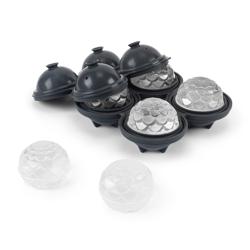
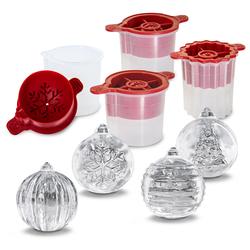
Cool ice trays make everyday drinks more inviting with playful shapes, distinctive designs and sizes suited to everything from sparkling water to a carefully mixed cocktail. Novelty ice cube trays add personality to a glass, while larger cubes and rounded molds put the focus on the drink itself. A sculpted piece of ice can be the finishing touch in a simple lemonade, a colorful mocktail or a spirit-forward cocktail served in a low glass. The appeal is practical as well as visual: ice size and shape affect how a drink chills, how easily it can be stirred and how much room remains for the liquid. Larger pieces generally melt more slowly than the same amount of ice divided into smaller pieces because they expose less surface area relative to their volume. Smaller shapes, meanwhile, fit readily into narrow glasses and work well when quick chilling matters more than preserving a detailed design. Novelty shapes are especially effective in clear drinks, where their outlines are easy to see. A few well-defined pieces can give a pitcher of citrus water or a round of party drinks a thoughtful finishing touch without adding another ingredient. For a drink with fruit, herbs or a garnish, a simpler ice shape leaves room for those details to stand out. The scale matters, too: a bold shape that looks striking in a roomy rocks glass may be awkward in a slim tumbler. A comfortable fit leaves space to sip and lets the ice move without becoming wedged against the sides. For drinks where the silhouette is part of the presentation, the
Shaped Ice Trays collection offers another way to explore that playful approach. Whether the goal is a polished home bar or a little more fun at the dinner table, a useful tray balances a distinctive look with ice that suits the glass.
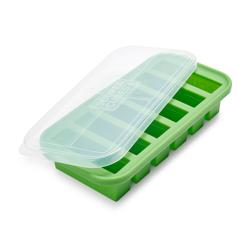
Materials and construction make a noticeable difference in how an ice tray feels during filling, freezing and release. Flexible silicone ice trays can be peeled back from frozen shapes, which is particularly helpful for designs with curves, narrow sections or small details. That flexibility also means a full tray may need support on its trip from the sink to the freezer. A rigid frame or a flat, freezer-safe support beneath the tray can make that movement steadier. Rigid plastic trays tend to hold their shape during filling and carrying, though the release method varies by design. The useful distinction is not simply soft versus firm; it is how the entire tray works together, from the stability of its base to the space between its cavities. Deep molds hold more water and need more freezer clearance, while shallow trays may fit more comfortably beneath a shelf. Overall dimensions matter just as much as the number of shapes a tray makes, especially in a freezer shared with food containers, frozen fruit and everyday staples. Lids can help limit spills and exposure to freezer odors, but a covered tray is not necessarily leakproof or suitable for carrying at an angle. Stacking also depends on the design rather than the presence of a lid alone. Two-part molds bring separate pieces together to form a more dimensional shape, so a close fit and accessible filling opening are useful details. Detailed molds may take a little more patience to release than straightforward cube cavities, particularly around thin edges. Durable construction should stand up to repeated freezing and ordinary handling without relying on force to remove the ice. For frequent use, a tray that fills neatly, sits level and releases comfortably is likely to earn its place beside the glasses. For occasional entertaining, the finished shape may carry more weight, provided the tray still fits the freezer and produces enough ice for the planned drinks.
Care is part of keeping cool ice trays pleasant to use, especially when they alternate between plain water and flavored mixtures. Manufacturer instructions are the best reference for dishwasher compatibility, cleaning methods and uses beyond freezing water. Some trays are dishwasher safe, while others call for hand-washing; silicone alone does not establish that a mold is suitable for baking or making candy. Detailed cavities benefit from thorough washing because juice, coffee and other ingredients can leave residue in small recesses. Drying the tray before putting it away helps keep storage tidy, and a spot away from strongly scented foods helps protect the clean taste expected from ice. Trays with separate lids or mold halves are easier to keep ready when all their parts are stored together. Regular use also makes small signs of wear worth noticing: cracks, damaged edges or a poor-fitting closure can interfere with filling and release. Beyond plain ice, cooled coffee can become cubes for iced coffee without adding the same watery dilution as melting water-based ice. Frozen juice can bring color and flavor to sparkling water, though it changes the sweetness of the finished drink as it melts. Those uses work best when the tray’s care instructions allow the ingredients involved and when any staining or lingering aromas are considered. For entertaining, making ice ahead and transferring released pieces to a clean, covered freezer container frees the tray for another batch. It also keeps serving simple when several glasses need filling at once. Cool ice trays make thoughtful gifts for cocktail enthusiasts, hosts, coffee drinkers and anyone who enjoys a small detail that makes a familiar routine feel special. A useful gift reflects how the recipient actually drinks: roomy molds suit wide glasses, compact shapes suit everyday tumblers and playful designs bring personality to casual gatherings. Paired with glassware or given on their own, these trays offer an easy way to make the next pour feel more considered, without turning a simple drink into a complicated project.