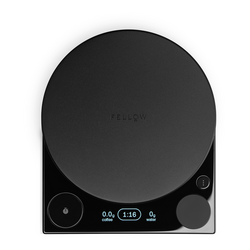
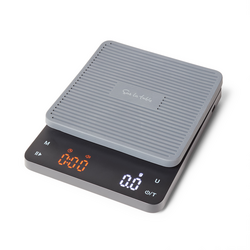
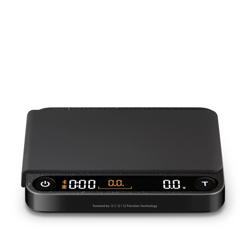
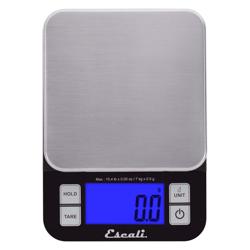
Coffee scales with timers bring two useful brewing measurements together: how much coffee or water is being added and how long the brew has been running. Keeping both in view makes a familiar morning routine easier to repeat, whether the goal is a balanced pour-over or an espresso that tastes just as good as yesterday’s. Coffee beans vary in size and density, so a scoop does not always hold the same amount from one bag to the next. Measuring by weight gives a more consistent starting point, while a built-in timer helps track the pace of brewing without a separate stopwatch or phone beside the kettle. For pour-over coffee, that combination is especially helpful when following the initial bloom and the pours that follow. The weight display shows how much water has reached the brewer, while the timer provides context for how quickly it passes through the grounds. With espresso, a suitably sized scale can measure the drink collecting in the cup while the timer tracks the shot. Weight also offers a useful alternative to judging espresso volume through a layer of crema, which can vary from shot to shot. For immersion brewing, the same pairing supports measured coffee portions and a repeatable steeping time. These tools do not replace fresh beans, a suitable grind or thoughtful brewing, but they make it easier to recognize what changed when a cup tastes different. Someone trying a new roast can keep the coffee and water amounts consistent while adjusting another part of the process. Someone who has already found a favorite recipe can return to it with less guesswork. That makes a timer-equipped coffee scale useful for curious beginners as well as experienced home brewers who appreciate having clear, practical information within easy reach. It is a small addition to a coffee setup, with a purpose that carries through everything from a single afternoon cup to several carefully brewed servings for guests.
The right fit depends as much on the brewing setup as on the scale’s features. A compact platform may sit comfortably beneath an espresso cup, but its overall height also matters when space between the drip tray and portafilter is limited. A pour-over setup needs enough room and weighing capacity for the brewer, vessel, grounds and full amount of water together. Platform shape deserves attention, too: a wide carafe should rest securely without hiding the display, and the controls should remain accessible once everything is in place. Among digital coffee scales for brewing, timer-equipped designs can differ in how they display measurements, respond to small additions and handle the start of a brew. A clear screen and responsive readings help when pouring slowly, particularly near the target weight. Fine measurement increments are useful for small coffee doses, while sufficient capacity matters for larger brewing vessels. A tare function resets the displayed weight with a container on the platform, making it possible to measure ingredients without including the vessel’s weight. Timer operation can be manual or, on some designs, automatic; the better choice depends on whether the brewer prefers direct control or a more automated routine. Automatic modes have different starting triggers, so their operation should match the intended brewing method. Stainless steel platforms offer a smooth surface that is generally easy to wipe, while plastic housings can keep a scale light and easy to move. Removable silicone mats, where included, can provide grip and help protect the platform from drips or contact with warm brewing equipment, subject to the manufacturer’s limits. A stable base is equally important. A scale that sits flat on the counter and holds its position during brewing is more useful than one that shifts as controls are pressed. Screen placement, button feel and straightforward settings may seem like small details, but they become noticeable when one hand is holding a kettle and attention is on the pour.
Everyday convenience and care help determine whether a coffee scale becomes part of the routine or stays tucked in a drawer. Battery-powered designs can be easy to position wherever brewing happens, while rechargeable options reduce the need to keep replacement batteries nearby. Either way, accessible power controls, a readable battery indicator and an automatic shutoff interval suited to the brewing method are worth considering. A scale that switches off before a longer brew is finished can interrupt both the weight reading and the timer. For a shared kitchen, simple controls can make the difference between a tool everyone reaches for and one that only a single coffee enthusiast knows how to operate. Regular care is usually straightforward, but electronics need protection even in a workspace where splashes are common. Water-resistant construction, when specified, should not be mistaken for permission to immerse the scale or rinse it under a faucet. Grounds and droplets are best removed promptly according to the care instructions, with removable mats cleaned separately if directed. Keeping the scale dry during storage and avoiding loads beyond its stated capacity can help protect its weighing mechanism. It also benefits from a steady spot away from counter edges, where a carafe or elbow is less likely to knock it to the floor. For anyone comparing measurement-focused additions to a coffee station,
digital coffee scales for brewing offer options suited to different routines, with integrated timers bringing an additional reference point to the process. A timer-equipped scale can also make a thoughtful housewarming, wedding or birthday gift for someone who enjoys making coffee by hand. Matching it to the recipient’s brewing method and available counter space keeps the choice personal and useful. The appeal is not making every cup more complicated; it is making a satisfying cup easier to repeat, with fewer separate tools and a clearer sense of what went into it.