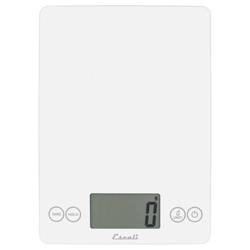
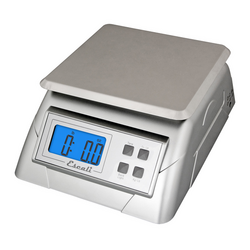
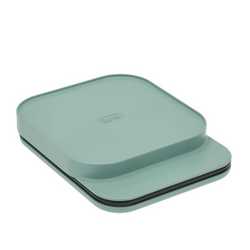
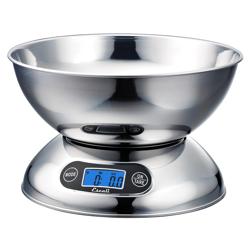
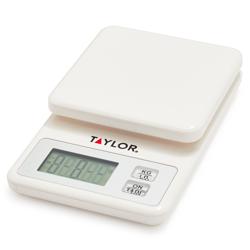
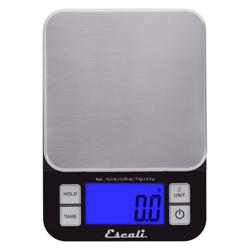
Precision scales are digital weighing tools designed to measure small quantities in fine increments, helping cooks weigh ingredients more consistently than measuring by volume alone. In the kitchen, they are especially useful for coffee, bread dough, spices and other preparations where a small difference can affect the result. A spoonful of flour can vary depending on how tightly it is packed, while a weight measurement gives a clearer target to repeat. That consistency matters when a tender cake turns out just right and deserves a second appearance, or when a favorite bread recipe needs to make two loaves instead of one. Although precision scales also have laboratory and jewelry applications, culinary scales are designed around food preparation, with features that make weighing into bowls, cups and brewing vessels more convenient. The most useful distinctions are readability, accuracy and capacity. Readability is the smallest increment shown on the display; accuracy describes how closely a measurement matches the actual weight. A display with more decimal places does not, by itself, guarantee a more accurate measurement. Capacity is the maximum total load the scale can support, including the container holding the ingredients. These details help distinguish a compact scale suited to small coffee doses from a larger kitchen scale intended for a mixing bowl full of dough ingredients. Minimum weighing requirements matter, too: a scale that handles several pounds may not reliably register a tiny pinch of yeast. For small additions that influence flavor or fermentation, look for a stated measuring range and resolution suited to that task rather than relying on the word “precision” alone. A tare function is another practical feature. It subtracts the weight of a container from the displayed total, allowing ingredients to be measured directly into the vessel where they will be mixed or brewed. Together, appropriate capacity, fine enough increments and straightforward controls make a precision kitchen scale a useful companion for everyday cooking as well as more exacting recipes.
The best fit starts with the way a scale will be used and the space around it. For baking, a broad, stable platform helps support mixing bowls without wobbling, while a display positioned beyond the bowl’s edge makes measurements easier to read. Check the overall footprint as well as the platform size: a slim scale may tuck neatly beside cutting boards, but it still needs a firm, level surface during use. Coffee preparation brings a different set of considerations. A compact platform can work well beneath a brewing vessel, and a responsive display helps track additions as water is poured. For espresso, the scale’s height and depth need to suit the space beneath the cup, including clearance around the drip tray. Integrated timers can be helpful for brewing methods that depend on both weight and elapsed time, though features vary by model. A longer automatic shutoff interval can also be useful when a recipe calls for pauses between additions. For cooks who prefer connected features,
Smart Scales offer another category to consider, with app compatibility and supported functions worth checking against the intended routine. Across styles, clearly labeled buttons, an easy-to-read display and convenient access to the tare control often matter more than a long list of settings. Platform materials influence everyday handling and cleanup. Stainless steel provides a durable weighing surface, although flour and fingerprints may remain visible until wiped away. Glass offers a smooth surface but calls for care around impacts and exposed edges. Plastic housings can keep a scale lightweight and easy to move, with durability depending on construction and handling. Nonslip feet help keep the base steady, particularly when setting down a bowl or pressing a control. Removable platforms or protective covers may simplify care where included. Battery type, charging requirements and storage dimensions deserve attention as well, especially for a tool that will move between a drawer and the counter several times a day.
A well-chosen precision scale earns its place through small, repeatable improvements rather than complicated technique. A bread baker can weigh flour and water into the same bowl, using tare between additions to reduce the number of measuring vessels on the counter. The total load still counts toward the scale’s capacity after taring, so the bowl and everything already inside it need to stay within the stated limit. Someone refining a coffee routine can keep the amount of ground coffee consistent while adjusting the water, making it easier to understand which change affected the cup. For meal preparation, weighing portions of dough or burger mixtures helps create pieces of similar size that cook more evenly. A cook blending a favorite spice mixture can record ingredient weights and recreate the balance later, provided the scale can reliably measure the smallest addition. These uses make precision scales thoughtful gifts for enthusiastic bakers, coffee lovers and cooks setting up a kitchen with practical tools. Match the features to the recipient’s habits: simple controls may be more welcome than connectivity, while a compact shape may matter most in a kitchen with limited counter space. Care is generally straightforward, but digital scales contain electronics and should not be treated like washable bakeware. Follow the manufacturer’s cleaning instructions, wipe spills promptly and avoid immersing the base unless it is expressly designed for that treatment. Water resistance, when specified, is not the same as being waterproof. Keep ingredients in a suitable container unless the platform is approved for direct food contact, and avoid placing hot cookware on the weighing surface. For reliable readings, use a stable counter away from vibration and strong drafts, and allow the display to settle before recording a measurement. Store the scale without heavy objects resting on it, protect it from knocks and follow any specified calibration procedure. With a suitable measuring range, comfortable working size and sensible care, a precision scale can make the details of cooking easier to repeat, from the first ingredient in a mixing bowl to the last portion of dough.