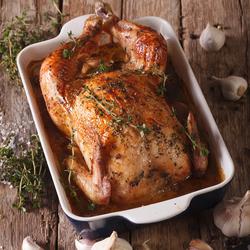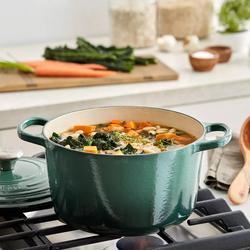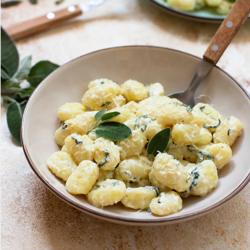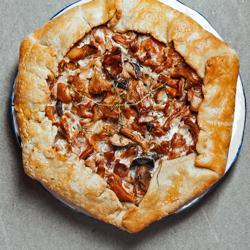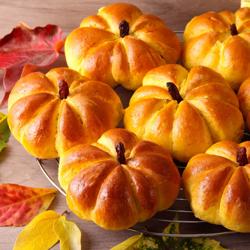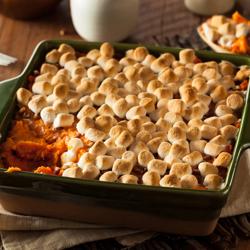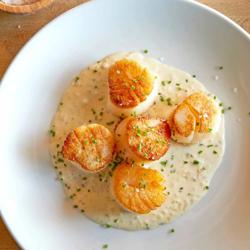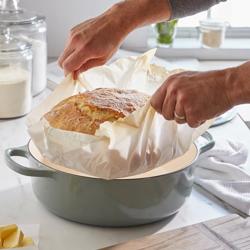
Comfort supper cooking classes bring familiar, satisfying food into focus, along with the skills that make it taste homemade in the best sense. Comfort food means different things to different people: tender chicken with a savory pan sauce, a bubbling baked pasta with crisp edges, a bowl of beans with a deeply flavored broth, or vegetables tucked beneath a golden crust. What connects those meals is the care behind them, from browning an onion until its sweetness comes through to seasoning a sauce so every spoonful tastes balanced. Classes centered on this kind of cooking offer a chance to understand those details rather than simply follow a recipe. Depending on the menu, the experience might explore slow simmering, roasting, baking, or bringing several components together for a complete supper. Beginners can build confidence with familiar ingredients and recognizable dishes, while experienced home cooks can revisit favorites and understand why a particular method works. Someone who makes the same handful of dinners every week might discover a different way to prepare chicken or turn vegetables into the center of the meal. Someone comfortable with a recipe but unsure about improvising can begin to recognize useful cues: the nutty aroma of browned butter, the way a thickened sauce coats a spoon, or the tenderness of vegetables pierced with a fork. The appeal goes beyond making a single memorable dinner. These are lessons that can carry into everyday cooking, whether supper is for one person, a family gathered around the table, or a few friends staying for an unhurried meal. Familiar food also leaves room for personal taste. A dish can be rich without feeling heavy, simple without tasting plain, and generous without requiring a complicated presentation. Understanding how flavor, texture, and timing work together helps make that balance feel less accidental and more repeatable.
The most useful comfort cooking lessons often happen in the small decisions between the written steps. A recipe may say to brown the meat, but a class can help explain what browning should look like, why a crowded pan encourages steaming, and when to leave an ingredient alone long enough for a flavorful crust to form. Aromatics offer another opportunity to connect technique with taste. Onions cooked gently until soft create a different foundation from onions taken to a deep golden color, while garlic added too early can become bitter before the rest of the dish is ready. For menus that include sauces or gravies, the learning may extend to incorporating flour without lumps, loosening the flavorful browned bits on the bottom of a pan, or adjusting consistency as liquid reduces. Pasta, potatoes, rice, and other supper staples bring their own lessons in texture. Fluffy mashed potatoes depend on more than adding butter, and a baked pasta needs enough moisture to stay tender beneath its browned top. Seeing these changes happen makes the reasoning easier to remember. Seasoning is equally important, especially with dishes that cook for a long time or combine several ingredients. Tasting along the way can reveal whether a pot needs salt, a little acidity, or simply more time for its flavors to come together. A squeeze of lemon or a splash of vinegar can lift a rich dish without making it taste sharply sour. Fresh herbs or a crisp topping can add contrast to something soft and savory. Depending on the class, those finishing touches may be as valuable as the main technique. The goal is not to make every supper elaborate. It is to recognize the few choices that make a meaningful difference, so a familiar casserole, braise, or skillet dinner has clear flavor and satisfying texture rather than relying on richness alone.
Comfort supper classes also connect cooking skills with the practical rhythm of getting dinner onto the table. A meal feels more manageable when the longest-cooking component starts first, ingredients are prepared before a busy stretch at the stove, and finishing touches are saved for the moment they matter. Menus with several elements can make those relationships especially clear: a sauce may simmer while vegetables roast, or a baked dish may rest while a salad is dressed. That kind of timing is useful for a parent fitting supper around a full evening, a newer cook learning to manage more than one pan, or a host who would rather spend time with guests than rush through the final steps alone. Couples and friends can enjoy exploring familiar food together, and an interest in home cooking gives people across generations something easy to share. For someone who enjoys experiences more than another kitchen possession, a class can also be a thoughtful gift tied to a genuine interest. The connection between comfort food and everyday planning extends beyond the first serving. Many dishes have components that can be prepared separately, and learning which steps hold well can make a recipe easier to fit into a routine. Related
cooking-ahead classes explore that side of preparing meals, including the planning that helps good food fit into a busy schedule. Thoughtful storage and reheating matter, too: cooling leftovers promptly in shallow containers, keeping crisp toppings separate, and adding a little liquid when reheating a thick sauce can help preserve both safety and eating quality. Not every supper needs to become several meals, but understanding what keeps well makes the effort more flexible. Ultimately, the lasting value of a comfort supper class is a stronger feel for cooking food that people genuinely want to eat. It is the confidence to notice when a sauce needs attention, give a dish enough time to rest, and serve a meal that feels considered without feeling fussy.