Mushroom comfort cooking classes bring everyday kitchen skills into focus through food with deep flavor, satisfying texture, and plenty of room for personal preference. Mushrooms can give a bowl of pasta a savory backbone, add substance to a creamy rice dish, or turn a simple sauce into the part of dinner everyone remembers. Their appeal goes beyond richness: a well-browned mushroom has a different character from one gently simmered in broth, and learning that distinction opens up more ways to cook with the same ingredient. Classes centered on mushroom dishes can help beginners understand those changes while giving more experienced home cooks a chance to refine their timing and seasoning. Much of the learning happens in small, useful observations: recognizing when moisture has evaporated from a pan, noticing when a pale surface begins to brown, and understanding why mushrooms crowded together behave differently from those given more space. These details explain the difference between a watery sauce and one that clings neatly to a forkful of noodles. Different mushroom varieties also bring different strengths to a dish. Cremini mushrooms offer an earthy flavor and familiar texture, shiitakes contribute a more pronounced savory note, and oyster mushrooms have tender layers that can develop crisp edges. A lesson built around these differences can make choosing ingredients feel less like guesswork. Preparation matters, too, from trimming tough stems to cutting pieces evenly enough that they cook at a similar pace. Rather than treating mushrooms as something added at the end, this style of cooking gives them a central role and shows how their flavor develops alongside onions, garlic, herbs, grains, and other supporting ingredients. The result is an approachable subject for anyone who enjoys hearty food and wants a clearer understanding of what happens between the cutting board and the dinner plate, especially when a familiar recipe has tasted good before but never quite delivered the texture or depth expected.
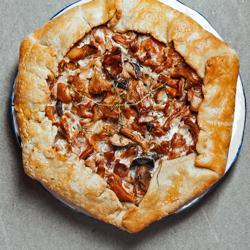
The comfort-food side of a mushroom-focused class can take several directions, with each menu offering a different set of lessons. A risotto-centered session, for example, creates opportunities to understand how rice releases starch, how liquid changes the texture as cooking progresses, and why the finishing stage matters as much as the first few minutes. Pasta dishes bring another useful skill into view: bringing noodles and sauce together so that they taste like one dish rather than two separate components. Mushroom soups can illustrate the difference between building flavor through browning and creating body through blending, while a savory filling can show why excess moisture needs attention before it goes into pastry or a baked dish. These are distinct techniques, but they share a practical foundation in managing moisture, seasoning thoughtfully, and tasting at meaningful points along the way. Mushroom cooking also offers a clear example of how richness and balance work together. Butter or cream may soften an earthy flavor, while a little acidity can keep a finished dish from feeling heavy. Herbs can make a familiar preparation taste brighter or more woodsy, and a crisp topping can provide contrast to a soft, spoonable base. In a class setting, those choices become easier to understand when they are connected to a particular dish instead of presented as isolated rules. For cooks interested in meatless meals, mushrooms offer plenty to explore, although a mushroom-centered menu is not necessarily vegetarian; stocks, sauces, and other ingredients still matter. The class description is the place to check the full menu and any dietary details. Exploring
Mushroom-First Comfort Cooking Classes can help connect an interest in this ingredient with a style of cooking that feels familiar, inviting, or worth trying for the first time. Whether the appeal is a silky sauce, a deeply flavored broth, or a browned filling tucked into something tender, the most useful lessons are often the ones that carry naturally into other meals.
These classes can suit several kinds of cooks, including someone building a dependable dinner repertoire, an enthusiastic host looking for a satisfying main course, or a confident cook who tends to prepare mushrooms the same way every time. They can also make a shared outing for friends, a couple who enjoys cooking together, or family members who would rather learn something side by side than follow the usual dinner plans. A mushroom-focused menu gives the experience a clear theme without requiring everyone to arrive with the same level of confidence. One person may be interested in better knife work, another in learning a sauce, and another simply in understanding how to get more flavor from a handful of ingredients. Matching the lesson format to those interests helps shape the experience. Hands-on instruction offers practice with the movements and timing involved, while a demonstration can provide a chance to concentrate on technique, take notes, and follow how a dish comes together. Details about the format, menu, and expected experience level help make that choice more straightforward. For a gift recipient, familiarity with their food preferences matters more than whether they already consider themselves a skilled cook. Someone who loves mushroom pasta but rarely makes it at home may appreciate the chance to understand its building blocks just as much as someone who regularly experiments in the kitchen. Beyond the class itself, the appeal lies in having techniques to return to: browning mushrooms for a grain bowl, adjusting the consistency of a sauce, or building a flavorful base for a simple supper. Learning to recognize a ready pan, a balanced bite, and a finished texture can make cooking feel more manageable without making it rigid. Mushroom comfort cooking classes offer a focused way to develop that judgment through dishes people look forward to eating, with skills that remain useful long after the last serving.