-
(6)
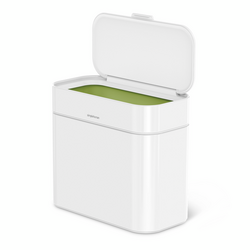
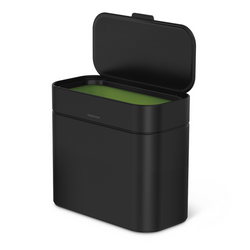
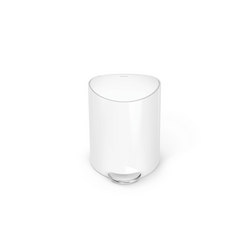
A sleek, mess-free countertop compost bin with an oval shape, charcoal filter, and removable inner bucket.
Pros: appearance, easy to clean, easy lid
-
(7)
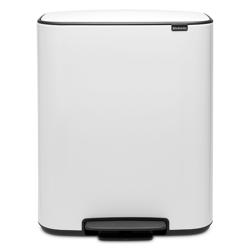
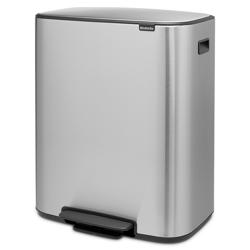
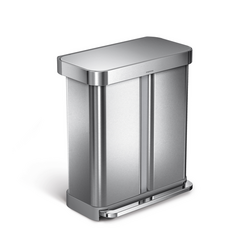
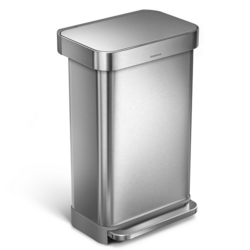
A sleek silver step bin with two 8-gallon buckets for easy waste separation.
Pros: stylish design, easy to use, functional
-
(3)
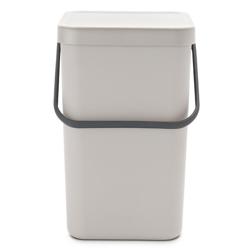
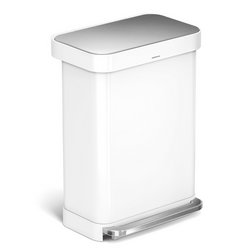
A compact, stylish trash bin with a hinged lid and handle for easy disposal and organization.
Pros: space-saving, bag compatibility, aesthetic design
-
(15)
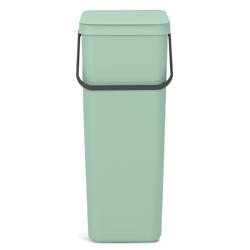
A compact, stylish trash bin in jade green that makes sorting and organizing easy.
Pros: lightweight, handle, perfect size
-
(5)
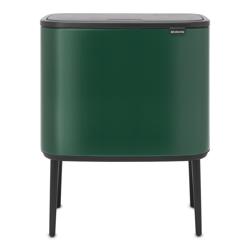
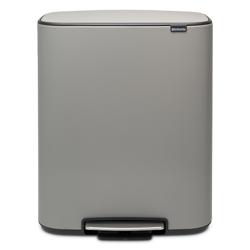
A sleek, gray steel trash can with a 60-liter capacity, soft-closing lid, and foot tap opening.
Pros: quality, size, large size
-
(2)
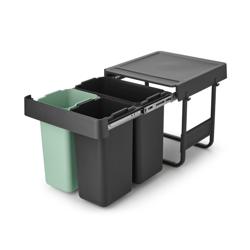
A green plastic built-in bin system with telescopic rails for easy, organized, and eco-friendly waste sorting.
Pros: easy to use sliding mechanism, solves storage problem, fits cupboard
Compost Bin For Kitchen
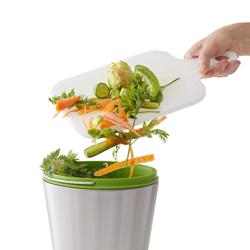
If you're looking to reduce waste and give back to the environment, these compost bins for your kitchen are the perfect solution. Whether you're an avid gardener or simply want to minimize your carbon footprint, these compost bins allow you to turn food scraps and organic waste into nutrient-rich compost that can be used to nourish your plants. With a variety of sizes and designs available, you can easily find the perfect compost bin to fit seamlessly into your kitchen while helping you embrace a more sustainable lifestyle.
Compost Bin For Kitchen
FAQ List
The frequency of emptying your compost bin depends on its size and the amount of waste you generate. As a general guideline, it is recommended to empty the bin every 1-2 weeks to prevent odors and ensure proper decomposition.
It is best to avoid composting meat and dairy products in your kitchen compost bin, as they can attract pests and create unpleasant odors. Stick to composting fruit and vegetable scraps, coffee grounds, tea leaves, and other plant-based materials.
To accelerate the decomposition process, you can add materials such as shredded newspaper, dried leaves, or small amounts of garden soil to your kitchen compost bin. These materials provide carbon and help maintain the right balance of nitrogen and carbon in your compost.
Yes, the compost produced in your kitchen bin can be used to nourish indoor plants. However, make sure to let the compost fully mature and cool down before using it. You can mix it with potting soil or use it as a top dressing for your potted plants.
While a compost bin designed for the kitchen offers convenience and often comes with features like odor control, you can also use other types of compost bins or even make your own using a container with a lid. The key is to have a well-sealed bin to prevent odors and pests.
-
"Love this bin albeit a little larger than anticipated but I will keep it & use it nonetheless"
-
"Love this bin, removable inner bowl very practical, easy to clean. Like the aeration holes & lid"
-
"It is very useful for compost, not wasted my money I'm having the best deal"
-
"Love this bin, removable inner bowl very practical, easy to clean. Like the aeration holes & lid"
-
"Its quality made looks great but very overpriced!!! Love it anyway"