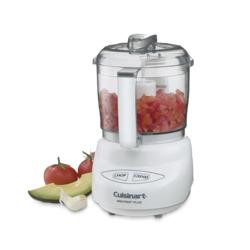
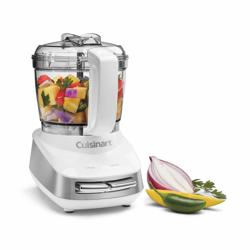
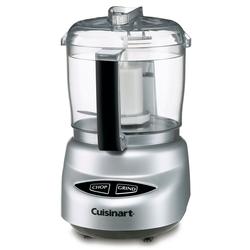
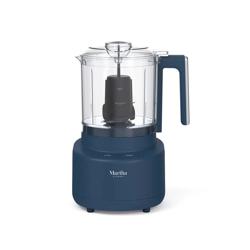
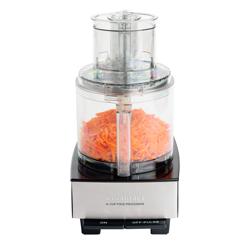
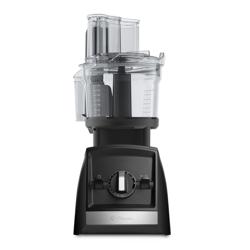
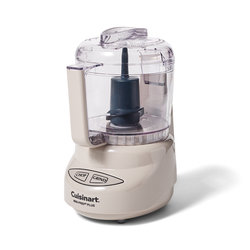
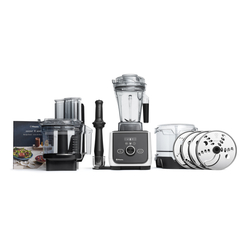
Compact food processors mix softened butter with herbs, garlic, spices or citrus zest to make compound butter in small batches. Their smaller work bowls can keep modest amounts of ingredients closer to the blade, making them a practical choice for flavorful additions to everyday meals. A spoonful of parsley-garlic butter melting over a steak, a slice of lemon-dill butter tucked onto cooked fish or a little smoked-paprika butter spread across corn brings concentrated flavor without a separate sauce. Compound butter is simply butter blended with sweet or savory ingredients, and its appeal lies in how much variety a few familiar staples can provide. For cooks who enjoy that kind of finishing touch, a compact processor can earn its place beside the cutting board without requiring the storage space of a full-size machine. It is especially useful for chopping aromatics and distributing them through butter more evenly than a quick stir with a fork might manage. The finished texture still depends on the ingredients and processing time: tender herbs can remain visibly flecked throughout, while finely chopped garlic blends into a smoother spread. Butter should be soft enough to mix, not melted, since liquid butter will not hold the same spreadable texture. These smaller appliances suit cooks preparing dinner for one or two, hosts making several different butter flavors and anyone who prefers manageable portions to a large batch. They also make sense for kitchens where countertop space is shared with a coffee maker, toaster and other daily essentials. Beyond compound butter, many compact processors handle small quantities of dips, dressings and chopped vegetables, depending on their design. That versatility matters when choosing an appliance for a focused task: a tool that makes herb butter for dinner may also help with a sandwich spread or a small batch of breadcrumbs. The best fit is a processor whose working capacity and chopping action match the portions prepared most often.
Bowl size deserves particular attention when comparing compact food processors for compound-butter prep. The stated capacity describes the bowl, but it does not necessarily indicate how much thick butter mixture the appliance can process comfortably. A batch needs room to move, while an amount that is too small may sit below the blade or cling to the sides instead of blending. Blade placement, bowl shape and the manufacturer’s recommended quantities are useful details to consider alongside the capacity measurement. A pulse control gives cooks a way to chop in short bursts, which can help preserve small green flecks of chives or parsley rather than reducing every ingredient to the same texture. Other control arrangements may be equally suitable; what matters is a comfortable, predictable response during brief mixing tasks. Stainless steel blades are common because they offer strength and corrosion resistance, though they still require careful handling and cleaning. Clear work bowls make it easier to see whether garlic is finely chopped or butter has collected around the edges. Plastic bowls are generally light to lift and move, while glass bowls add weight and call for care against chips or sudden impacts. Neither material alone determines performance, so the complete design matters more than a single specification. A securely seated lid, a stable base and parts that lock together without a struggle all contribute to a more comfortable experience at the counter. For thicker mixtures, motor capability and intended use matter more than an impressive wattage figure alone. A compact chopper designed for brief prep tasks should not be treated like a heavy-duty mixer, and its instructions should confirm whether it can handle the ingredients planned for a particular butter. For shoppers weighing this focused use against broader meal-prep needs, the
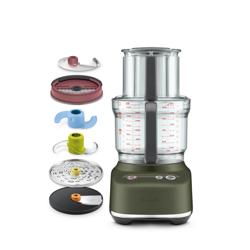
Chef Recommended Food Processor collection provides another place to consider which size and style belong in the kitchen. A larger machine may suit frequent family-size preparation, while a smaller bowl can be more convenient for the finishing touches that complete a meal.
Ease of cleanup can make the difference between an appliance that gets used regularly and one that stays in a cabinet. Butter leaves a rich film, and chopped herbs can settle around the blade hub, beneath the lid and along any narrow seams. Removable parts with accessible surfaces make those areas easier to reach. Dishwasher-safe components can simplify cleanup when the manufacturer permits it, but the motor base should be cleaned according to its care instructions rather than submerged. Hand-washing may be required for some blades or bowls, and sharp edges need careful handling regardless of the cleaning method. The processor should be unplugged before removing the blade or scraping around it, and a flexible spatula is useful for gathering butter from the bowl without reaching toward the cutting edge. Allowing cleaned parts to dry fully before reassembly helps keep the appliance ready for its next use. Durability also comes down to everyday habits: respecting batch limits, avoiding ingredients the machine is not designed to process and storing the blade so it cannot knock against other tools. For a small kitchen, the assembled height and overall footprint are worth checking against cabinet shelves, not just the open counter. A manageable cord and a bowl that is comfortable to lift can make frequent use feel less cumbersome. These practical details make compact processors thoughtful gifts for enthusiastic home cooks, apartment dwellers and people who enjoy adding personal touches to familiar meals. A cook who grills often might favor garlic-parsley or chile-lime butter, while a baker may reach for cinnamon and honey to accompany warm rolls. For someone who entertains, a few distinct butter flavors can bring variety to a bread basket without requiring several elaborate accompaniments. Finished compound butter belongs in suitable food-storage containers or wrapping and should be refrigerated promptly, especially when it contains fresh garlic or herbs; portions can also be frozen for later use. With a well-matched bowl, straightforward controls and manageable care, a compact food processor supports small preparations that make a noticeable difference on the plate.