Cooking flours are finely milled ingredients made from grains, nuts, seeds, legumes or roots and used for baking, making dough, thickening sauces and coating foods. The best flour for a recipe depends on its protein content, starch, grind and flavor. In wheat flour, higher protein generally supports stronger gluten development and chewier results, while lower protein favors tenderness. Gluten forms when wheat flour combines with water and is mixed, creating a network that helps dough hold its shape and trap gases from yeast or other leaveners. That distinction explains why a flour suited to a crusty loaf may not be the best fit for a delicate cake. All-purpose flour offers a middle ground for everyday cooking and baking, from chocolate chip cookies and pancakes to a pan sauce made with browned chicken drippings. Bread flour typically has more protein, making it useful for chewy pizza crusts, bagels and yeast breads with a well-developed structure. Cake flour generally has less protein and a fine texture, supporting a soft crumb in layer cakes, while pastry flour suits tender pie crusts and biscuits. These categories provide a useful starting point, although protein levels vary by flour and milling method. Whole wheat flour includes the bran and germ along with the starchy endosperm, giving baked goods a fuller wheat flavor and a heartier texture. Its bran and fiber also affect water absorption and dough structure, so a whole wheat loaf behaves differently from one made entirely with refined white flour. Rye brings a distinctive, earthy flavor but does not develop the same elastic gluten network as wheat, which helps explain its use alongside wheat flour in many bread recipes. For homemade pasta, finely milled wheat flour can support smooth, workable dough, while durum semolina contributes firmness and a golden color. The intended dish matters more than finding a single flour that promises to do everything.
Beyond wheat, cooking flours offer a wide range of textures and flavors for both everyday meals and specialized baking. Rice flour can lend a light, crisp finish to coatings, chickpea flour brings savory depth to batters and flatbreads, and buckwheat flour adds an earthy character to pancakes and crêpes. Despite its name, buckwheat is not wheat and is naturally gluten-free. Almond flour contributes a rich, nutty flavor and moisture to cakes and cookies, but it behaves differently from grain flour because of its fat content and lack of gluten. Coconut flour absorbs substantial moisture, making it particularly unsuitable for a straightforward, equal-volume substitution in a wheat-based recipe. These differences make recipe compatibility an important consideration when choosing an alternative flour. A gluten-free flour blend intended for baking may combine several flours and starches to balance structure, tenderness and moisture absorption. Some blends include a binder such as xanthan gum, while others rely on the recipe to supply one. A blend formulated as a replacement for all-purpose flour is not necessarily intended for yeast bread, and a single nut or grain flour rarely performs like a complete blend. For someone avoiding gluten because of celiac disease, gluten-free labeling and information about cross-contact are essential considerations, even when the source ingredient naturally contains no gluten. Beyond baking, flour choice can shape the character of a meal in smaller ways. Wheat flour cooked with fat creates a roux for gravy, creamy sauces or macaroni and cheese, while a light flour coating helps develop a browned surface on foods cooked in a skillet. Coarser grinds may contribute texture where a finely milled flour would blend in more smoothly. Flavor deserves equal attention: a mild flour lets vanilla, butter or a savory filling lead, while a more assertive grain or legume flour becomes part of the dish’s identity. Matching those qualities to familiar recipes makes experimenting more rewarding and reduces the chance of an unexpected texture.
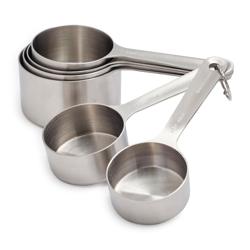
Freshness, storage and the amount used regularly are practical considerations when choosing cooking flour. Refined white flour generally keeps longer than whole grain or nut flours, which contain oils that can turn rancid more quickly. Package storage directions and best-by information offer a useful starting point, while an airtight container helps protect flour from moisture, pantry pests and odors. A cool, dry cupboard away from the stove suits many frequently used flours; refrigeration or freezing can help preserve more perishable varieties when recommended. Keeping the original label or transferring its details to a storage container preserves ingredient, allergen and handling information, especially when several pale flours look nearly identical on the shelf. Clearly labeled containers also make it easier to distinguish bread flour from all-purpose flour before a baking project begins. Flour is a raw ingredient rather than a ready-to-eat food, so doughs and batters containing it need proper cooking or baking before tasting. Accurate measuring matters, too, because flour settles and compresses. For recipes written by volume,
Cooking Cups are useful companions, with consistent filling and leveling helping keep results repeatable. A kitchen scale offers another option when a recipe provides weights, particularly for bread doughs or batches of pastry where small differences in flour can change the texture. For occasional bakers, a versatile flour matched to favorite recipes may be the most practical choice. Frequent bread makers, pasta enthusiasts and cooks working with gluten-free recipes often benefit from flour selected for a more specific purpose. Specialty flour can also make a thoughtful gift for someone who enjoys learning through cooking, particularly when paired with a tested recipe that explains its intended use. Dietary needs, allergies and storage space deserve consideration before choosing food as a gift. Whether the goal is a tender biscuit, a crisp coating or a loaf with a satisfying chew, well-chosen flour brings the desired flavor and texture within reach.