-
(1153)
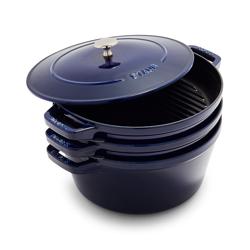
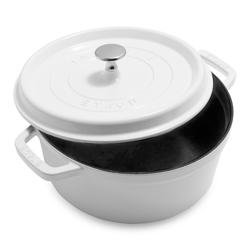
A traditional French cooking vessel made of durable cast iron, perfect for stews, soups, and roasts.
Pros: color, durable, quality
-
(45)
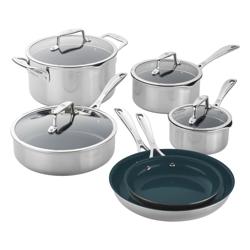
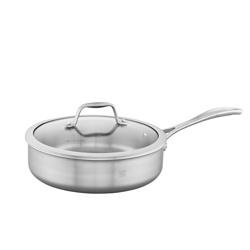
A 3-ply stainless steel sauté pan with aluminum core for even cooking, flared rims, and cool handles.
Pros: quality, glass lid, durable
-
(433)
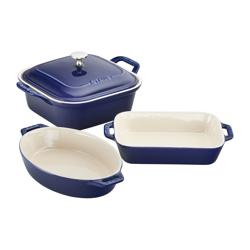
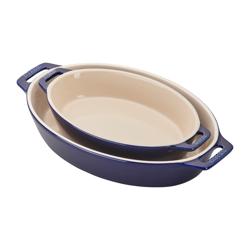
A versatile 4-piece baking set in blue stoneware that distributes heat evenly and is scratch-resistant.
Pros: durable, color, quality
-
(388)
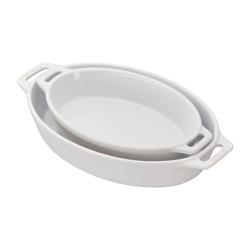
A set of 2 white ceramic bakers that distribute heat evenly and won't absorb moisture.
Pros: versatility, quality, easy to clean
Cooking Ware
If you're looking for the right tools to make delicious meals, having the right cooking ware is essential. From baking dishes to utensils, having the right cookware can make all the difference. Here are some of the best options available to choose from.
Cooking Ware
FAQ List
The best material for cooking ware depends on your needs and cooking style. Stainless steel is durable and easy to clean, while cast iron retains heat well and is great for searing and frying. Ceramic is non-reactive and perfect for slow cooking.
The size of cooking ware you should purchase depends on your needs. If you're cooking for a large family or entertaining guests, you may want a larger pot or skillet. If you're cooking for one or two people, a smaller pot or skillet may be sufficient.
Non-stick cookware has a coating that prevents food from sticking to the surface, while stainless steel cookware does not have a non-stick coating. Stainless steel is durable and easy to clean, but may require some oil or butter to prevent food from sticking.
It is not recommended to use metal utensils with non-stick cookware, as they can scratch and damage the non-stick coating. Instead, use silicone, plastic, or wooden utensils to protect the coating.
The best way to clean your cooking ware depends on the material. Stainless steel can be cleaned with soap and water, while cast iron should be cleaned with hot water and a stiff brush. Non-stick cookware should be cleaned with a soft sponge or cloth to avoid scratching the coating. Always refer to the manufacturer's instructions for cleaning and care.


-
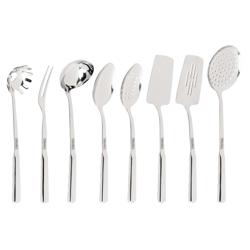
"Threw away all my old plastic and old cooking utensils and now feel great looking with these nontoxic"
-
"I love that this pan set is stainless steel and also has the durable non stick coating"
-
"It's my first time having a set of my own, great for sour dough bread, ribs, burgers, etc"
-
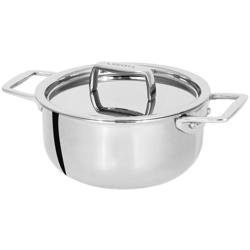
"I love Cristel stainless"
-
"Awesome Pots and Pans, best hardware and looks great"