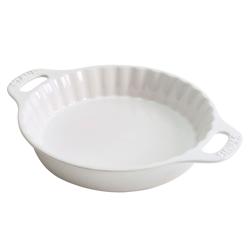
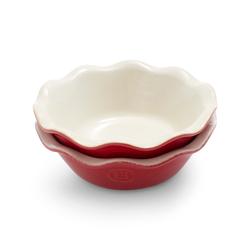
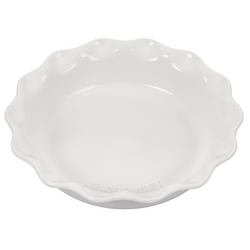
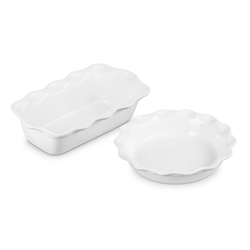
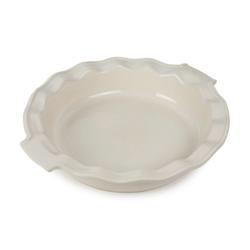
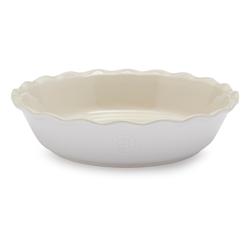
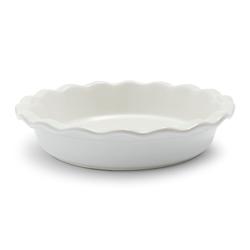
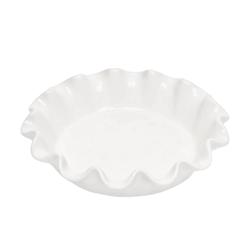
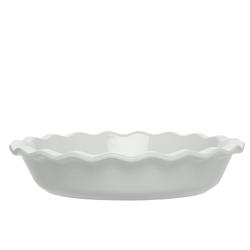
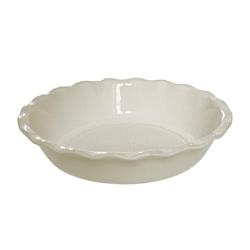
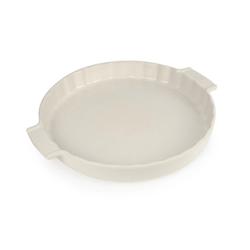
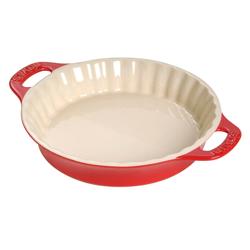
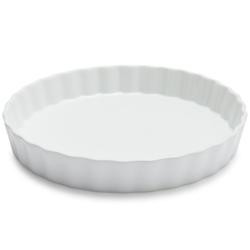
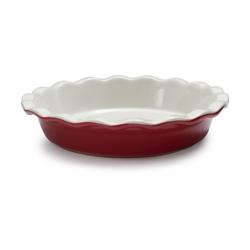
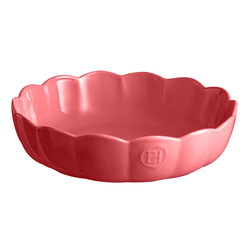
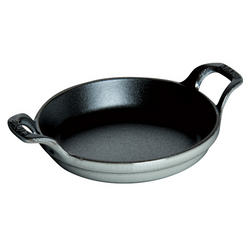
Cream interior pie dishes pair a warm, neutral baking surface with an oven-to-table look that works for both everyday meals and special gatherings. Often made from glazed ceramic or stoneware, these dishes hold sweet or savory fillings and provide a simple backdrop for a golden crust. The cream-colored interior frames the first slice of apple pie, shows off a dark berry filling and looks just as inviting beneath a browned quiche. Unlike a transparent pie plate, an opaque ceramic dish does not let you check the underside of the crust, so choosing the right shape and following the recipe’s baking cues matter more than the interior color. The color itself is primarily a design choice; the material, thickness and dimensions have a greater effect on baking performance. Ceramic, including stoneware, generally heats more gradually than metal and retains warmth after leaving the oven. That makes it well suited to relaxed serving, though fruit pies still need sufficient cooling time for their juices to set before slicing. A smooth glaze provides a finished surface that is typically easier to clean than unglazed pottery, but it should not be treated as a guarantee that pastry or baked-on sugar will release without effort. For the table, cream is an easy color to coordinate with white dinnerware, colorful serving pieces, patterned linens or natural wood. It feels equally at home beside a simple weeknight salad and among the dishes gathered for a celebratory meal. During the cooler months, that versatility is especially welcome: a dish used for a cinnamon-scented pear pie can also bring a savory vegetable tart to the table. For anyone who prefers bakeware that earns its storage space through regular use, a cream interior offers an understated finish that lets the food take the lead without limiting the dish to one season or occasion. It also gives a homemade bake a finished presentation without requiring a separate serving platter or an awkward transfer.
Size and shape are important considerations when choosing cream interior pie dishes, especially if a favorite recipe will be their main use. A dish described by its diameter may still differ noticeably from another in depth, sidewall angle and usable capacity. A standard 9-inch pie recipe, for example, will not necessarily fill a deeper dish of the same diameter, while a generous fruit filling can overwhelm a shallower plate. Check whether measurements refer to the inside opening or the outside edge, particularly when a wide decorative rim is part of the design. For tall apple pies, substantial pot pies or recipes with an extra layer of filling,
Deep Pie Dishes offer a shape worth considering alongside the recipe’s recommended capacity. A deeper profile is not automatically better for every bake; a thinner custard pie or modestly filled tart may suit a shallower dish. The rim also affects how the dish feels in use. A broad edge can provide room to support a crimped pastry border, while a fluted edge adds detail to the presentation even when the crust is simply trimmed. Look for a shape that can be gripped securely with oven mitts, remembering that ceramic becomes heavier once filled. If pies usually bake on a rimmed baking sheet to catch bubbling juices, allow enough room for the full dish, including any handles. Storage matters, too: a wide rim may take up more cabinet space than its baking capacity suggests. Ceramic and stoneware are appealing for cooks who enjoy bringing the baking dish directly to the table, while their weight deserves consideration for anyone who finds heavier cookware difficult to lift. Beyond dessert, these dishes can be useful for egg-based quiches, pastry-topped chicken pies and other recipes specifically sized for a pie plate. Matching the dish to the foods baked most often is more useful than choosing on appearance alone, although a cream interior makes the practical choice easy to enjoy at serving time.
Everyday durability depends on both the construction of a pie dish and how it is handled. A well-finished glaze should feel smooth, and the manufacturer’s directions should establish the permitted oven temperature and whether microwave, dishwasher or freezer use is appropriate. Those capabilities vary, so a ceramic or stoneware label alone is not enough to confirm them. Broiler use also needs explicit approval; an oven-safe dish is not necessarily designed for intense direct heat. Sudden temperature changes can damage ceramic bakeware, which is why a hot dish belongs on a dry trivet rather than a cold or wet surface. Moving a chilled pie directly into a hot oven should only be done when the dish’s instructions allow it. For cleanup, letting the dish cool before washing helps protect it from thermal shock. A soak in warm, soapy water can loosen syrupy fruit drips around the rim, and a nonabrasive sponge helps preserve the glazed finish. Dishwasher-safe construction can simplify routine care, but hand-washing may still be useful for stubborn residue tucked into a fluted border. Cutting and serving deserve a little attention as well: use utensils suited to the surface and avoid forceful scraping that could leave marks. When storing dishes together, a soft liner between them helps prevent contact around vulnerable rims, and a dish that develops cracks or significant chips should be retired from baking. These considerations make a cream interior pie dish a thoughtful gift for someone setting up a kitchen, a frequent host or a baker ready to give a well-loved family recipe its own serving piece. The best fit depends on the recipient’s habits, from small savory suppers to generously filled weekend pies. Paired with a handwritten recipe or a pastry brush, the gift feels personal without needing to be elaborate. For experienced and occasional bakers alike, the appeal is straightforward: useful bakeware with a welcoming appearance, ready to carry a homemade pie from the oven to a protected place at the table.