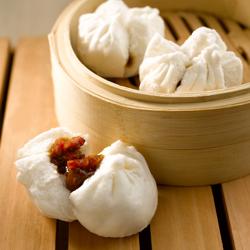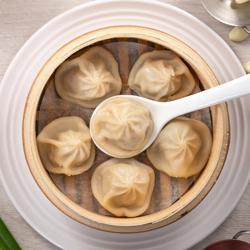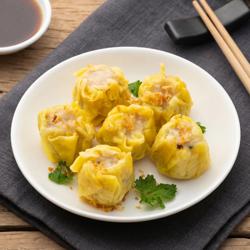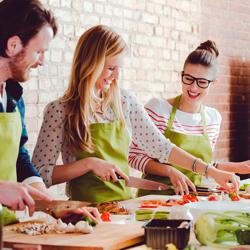
Asian dumpling cooking classes bring the best parts of cooking together: hands-on technique, generous ingredients, and the easy conversation that happens around a shared work surface. These classes are designed for home cooks who want more confidence with dumpling dough, flavorful fillings, folding styles, and reliable cooking methods. Depending on the format, an instructor may guide you through mixing and rolling wrappers from scratch, balancing savory fillings, shaping traditional crescents or pleated dumplings, and cooking them by steaming, boiling, or pan-frying. Some experiences take place in person, where you can work alongside other cooks and receive immediate guidance on texture and technique. Online classes let you learn from your own kitchen, often using familiar pantry staples and equipment you already have at home. Both formats can be a welcoming introduction for beginners and a useful way for experienced cooks to refine details such as wrapper thickness, filling moisture, sealing, and heat control. Browse
Dumpling and Bun Cooking Classes to find an experience that fits your interests, schedule, and preferred way of learning.
When choosing among cooking class listings, consider the style of dumplings covered, the level of instruction, the class format, and what is included. A class focused on handmade wrappers may be a good fit for someone who enjoys learning foundational techniques and wants to understand how flour, water, resting time, and rolling affect the finished bite. Another may emphasize filling combinations, offering ideas for meat, seafood, mushroom, tofu, or vegetable dumplings along with guidance on seasoning and texture. If folding is the main appeal, look for instruction that gives plenty of time to practice pleats, crescent pinches, sealed edges, and other shapes. It is normal for the first few dumplings to look more like little parcels than perfect crescents; with a few repetitions, the movements become easier to remember, and the last dumplings often look noticeably more polished than the first. Cooking method matters, too. Steaming can produce tender, delicate dumplings, boiling is practical for many filled varieties, and pan-frying creates the crisp golden base many home cooks love. A well-rounded class may cover more than one method and explain how to recognize doneness, prevent sticking, and keep dumplings from splitting. For online experiences, review the ingredient and equipment list before registering so you can prepare your workspace and avoid interruptions. In-person classes may be especially appealing to cooks who enjoy social learning, while virtual sessions can be convenient for households, friends, or family members joining from different locations.
Asian dumpling cooking classes also make thoughtful gifts for people who enjoy trying new recipes, hosting casual dinners, or building confidence in the kitchen. They suit a range of experience levels, from a curious beginner making dough for the first time to a seasoned home cook looking for new folding techniques and regional inspiration. A class can be enjoyed as a shared experience between friends, a date-night activity, a family project, or a relaxed gathering during the cooler months when a warm plate of freshly cooked dumplings feels especially inviting. The skills continue well beyond the class: handmade dumplings can become a weeknight meal, a freezer-friendly cooking project, or the centerpiece of a table filled with dipping sauces, greens, and hot tea. Many cooks find that the most useful lessons are small, practical discoveries—how to keep wrappers covered so they do not dry out, how much filling fits without making sealing difficult, or how to arrange dumplings so they cook evenly. Those details turn a recipe into a repeatable routine. With the right class and a little practice, cooks can bring the rhythm of rolling, filling, folding, and cooking into their own kitchens, sharing warm dumplings with guests long after the lesson ends.