
-
(72)
Great...Such a fun class and Chef Dom was a fantastic teacher and so great to learn from!
-
(8)
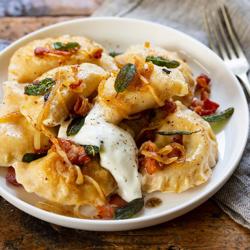
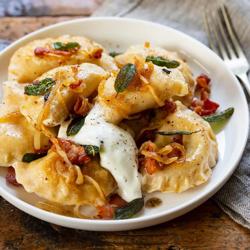
Cooking Class Description: Pierogi are delectable stuffed dumplings from central and eastern Europe and a comfort food the world over. In this class, you will learn to create the from-scratch dough, then fill it with a savory stuffing of mashed potato...
-
(7)
Great flavor, easy to make w practice, quick to steam- great dipping sauces
-
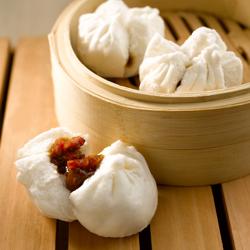
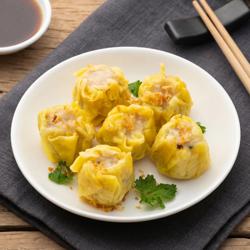
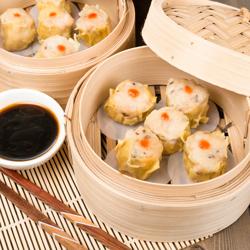
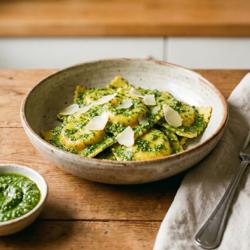
Cooking Class Description: Discover a world of incredible flavors wrapped up in a delicious little package! In this fun, hands-on class, our instructor will show you how to create a variety of dumplings from around the world—from Italian gnudi to Chinese...
-
(4)
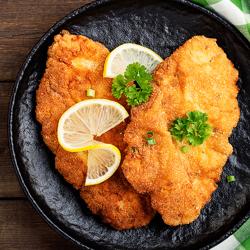
Cooking Class Description: These German-inspired recipes make for a hearty, satisfying meal perfect for fall. You'll learn to bread and pan-fry pork schnitzel to a golden, crispy crust while keeping the meat tender inside. Then comes spätzle—you'll mix...
Savory Dumpling Cooking Classes
Savory Dumpling Cooking Classes invite you to discover the art of creating delicious, hand-crafted dumplings from scratch. Whether you’re new to the kitchen or looking to expand your culinary repertoire, these classes offer a hands-on experience that celebrates bold flavors and satisfying textures. Explore a variety of techniques and fillings as you learn how to shape, cook, and enjoy savory dumplings in a relaxed, supportive setting.
Savory Dumpling Cooking Classes
-
"Such a fun class and Chef Dom was a fantastic teacher and so great to learn from"
-
"Great flavor, easy to make w practice, quick to steam- great dipping sauces"
-
"Such a fun class and Chef Dom was a fantastic teacher and so great to learn from"
-
"Great flavor, easy to make w practice, quick to steam- great dipping sauces"
-
"Such a fun class and Chef Dom was a fantastic teacher and so great to learn from"