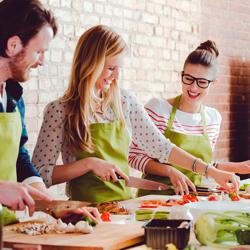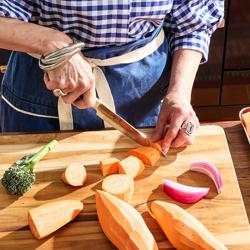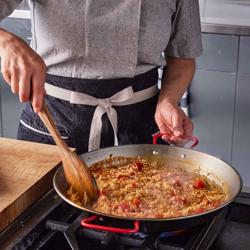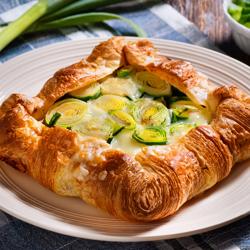
Back-to-school activity gifts give students something to look forward to beyond the classroom: time to try a new skill, make something with their hands, and enjoy a shared experience. Cooking classes bring that idea into the kitchen, where measuring, mixing, tasting, and following a recipe turn familiar school skills into something delicious. For a child who loves helping with dinner or a teen beginning to cook independently, an age-appropriate culinary class can make a thoughtful gift for the school-year transition. The appeal goes beyond the finished dish. There is satisfaction in watching a dough come together, noticing how heat softens vegetables, or discovering that a few simple ingredients can become a meal worth sharing. Hands-on cooking also gives students a reason to step away from screens and focus on a task with a clear beginning, middle, and end. A recipe calls for reading carefully, keeping track of steps, and paying attention to changes in texture and color, but the experience feels different from another assignment. There is room for curiosity, conversation, and the occasional dusting of flour on a sleeve. Depending on the class and its intended age group, students may practice measuring ingredients, organizing a workspace, handling kitchen tools safely, or recognizing when food is ready. These are useful foundations whether the recipient is an enthusiastic beginner or already likes experimenting at home. As a gift from a parent, grandparent, relative, or family friend, a cooking experience recognizes an interest rather than adding another possession to a crowded room. It can celebrate a new grade, encourage a growing hobby, or create a welcome break from homework and extracurricular commitments. The strongest fit is an experience that suits the student’s age, comfort level, and curiosity, with enough room to learn without making the occasion feel like a test.
Cooking classes for kids and teens can connect everyday kitchen tasks with lessons that feel surprisingly tangible. Dividing a recipe means working with fractions; comparing a thick batter with a thin one makes proportions easier to understand. Waiting for dough to rest or letting a pan heat properly shows why timing matters, while reading the whole recipe before starting helps build the habit of planning ahead. Those connections are part of what makes cooking a meaningful back-to-school activity gift, but enjoyment matters just as much. A student interested in baking might be drawn to the feel of kneading dough or the precision of leveling a measuring cup. Someone who likes savory food may be more curious about seasoning, combining textures, or learning how different cooking methods change an ingredient. Familiar flavors can give a hesitant beginner a comfortable starting point, while a less familiar cuisine can appeal to a student eager to explore. The class description should make the intended audience and learning focus clear; a children’s session, a teen-focused experience, and an adult class are not interchangeable. Age requirements, the level of participation, and any adult-accompaniment rules matter more than choosing the most ambitious menu. For younger participants, manageable steps and appropriate supervision are especially important. Older students may appreciate a chance to take greater responsibility, particularly when the skills relate to snacks, simple lunches, or meals they could eventually prepare at home. Food allergies and dietary needs also deserve attention before a gift is arranged. A menu alone does not establish whether a kitchen can accommodate an allergy, so ingredient questions and cross-contact concerns belong in a direct conversation with the class provider. Comfortable clothing, closed-toe shoes where required, and tied-back hair can help participants arrive ready to cook. Clear expectations leave more attention for the enjoyable details: the sound of a whisk against a bowl, the aroma of food cooking, and the small moment when a technique starts to make sense.
The experience surrounding a cooking class can be just as memorable as the lesson itself. For families juggling school, practices, and homework, a scheduled activity creates a defined stretch of time devoted to something other than the usual routine. Where a class is designed for adults and children to attend together, it can give a parent and student a shared task that does not revolve around reminders or deadlines. A grandparent and grandchild might enjoy comparing a newly learned technique with a familiar family method, while a teen attending an appropriately designated class may value the chance to pursue an interest more independently. Cooking alongside others can also offer natural opportunities to communicate, take turns, and contribute to a common goal, depending on how the session is organized. The gift does not need to mark only the first days of school. It can acknowledge settling into a new routine, celebrate steady effort, or offer a creative outing during the cooler months, when an indoor activity feels especially inviting. Families considering related culinary outings can explore
Back to School Experience Gifts as another way to connect the school-year theme with time spent learning and cooking. Practical details help keep that time enjoyable: the session length should suit the recipient’s attention span, and the travel time should leave breathing room around other commitments. An activity that fits comfortably into the day is easier to enjoy than one squeezed between a long school afternoon and an evening obligation. Afterward, the learning can continue in small, realistic ways. A younger cook might measure ingredients for a weekend breakfast with supervision, while a teen could help organize ingredients before dinner or repeat an appropriate technique with an adult nearby. Recreating an entire class menu is not necessary for the experience to have lasting value. Sometimes the most useful takeaway is knowing how to read a recipe more confidently, ask a good kitchen question, or approach an unfamiliar task with patience. Back-to-school cooking gifts make space for that kind of progress, pairing a memorable occasion with skills that can become part of everyday family life.