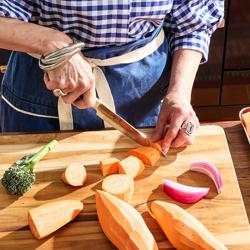
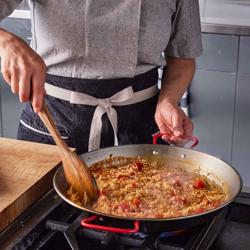
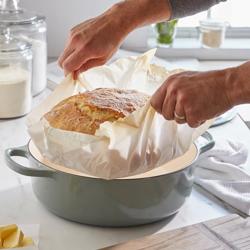
Back-to-school gift ideas can go beyond classroom supplies to include experiences that build confidence outside the classroom. Cooking classes make thoughtful gifts for students learning to take care of themselves, teens ready for more independence, parents settling into school-year routines, and teachers who enjoy spending time in the kitchen. A cooking experience offers something practical to carry into the school year: a better understanding of how meals come together, along with the satisfaction of making something worth sharing. For a college student with access to a kitchen, that might mean feeling more comfortable preparing dinner instead of relying on the same few convenience meals. For a younger learner, an age-appropriate class can make following directions, measuring ingredients, and trying unfamiliar flavors feel engaging rather than abstract. The appeal is both useful and personal. Someone who loves baking may enjoy the precision of weighing flour and watching dough change texture, while an aspiring home cook may be more interested in chopping vegetables evenly or getting dinner components ready at the same time. Depending on the class, lessons can introduce foundational techniques, explore a particular cuisine, or focus on a shared meal prepared with others. That variety makes cooking experiences relevant to different personalities without turning every gift into another school assignment. There is room for curiosity, a little mess, and the pleasure of tasting the results. During the cooler months, time spent around a kitchen counter can also provide a welcome change from desks, screens, and packed schedules. A class gives the recipient a dedicated occasion to concentrate on something tangible, whether that is shaping dough, balancing a sauce, or learning what properly browned vegetables look and smell like. As a back-to-school gift, the experience can recognize a new stage of life while supporting a skill that remains useful well beyond a single semester.
Cooking classes are especially meaningful when the experience fits the learner’s age, confidence, and everyday kitchen access. A teen who already bakes on weekends may appreciate a different kind of challenge than a student who has never held a chef’s knife. Families exploring
back-to-school gifts for teens can consider cooking experiences as a way to encourage independence while making space for an existing interest or a new one. Age requirements, expected experience, class format, and the level of adult participation help establish whether a session is a comfortable fit. The menu matters, too, particularly when a recipient has food allergies, dietary restrictions, or strong preferences; the class description and stated accommodations deserve attention before making plans. Beyond the recipes themselves, the value often lies in understanding small decisions that experienced cooks make almost automatically. Why should a pan heat before the ingredients go in? A lesson can demonstrate the difference through sound, color, and texture, rather than leaving a beginner to guess at home. Learning to arrange ingredients before starting can make a recipe feel less rushed, while practicing consistent cuts can help food cook more evenly. Depending on the curriculum, students might work on measuring accurately, seasoning gradually, recognizing doneness, or keeping a work area organized. These are useful habits for everything from a quiet breakfast before school to a shared dinner after a long day of classes. A student living in a residence hall will have different opportunities to practice than someone in an apartment with a full kitchen, so the intended use of those skills is worth keeping in mind. Not every lesson needs to translate directly into a weekday meal, though. Making something unfamiliar can be valuable in its own right. A successful first attempt at a new technique can turn cooking from a task that feels intimidating into an activity a student looks forward to exploring.
The school-year transition affects more than students, which gives culinary experiences a place among back-to-school gifts for parents, caregivers, and educators as well. A parent who spends much of the week coordinating lunches, activities, and dinner may enjoy being the learner for a change, with time set aside to focus on flavor and technique. A teacher with a genuine interest in cooking might appreciate an experience connected to life outside the classroom, whether the appeal is baking, exploring different food traditions, or spending time with a friend. For families, a class designed for the appropriate ages can create a shared memory that is separate from homework and household logistics. A teen and a parent might discover that they enjoy working side by side when the task is preparing a meal rather than managing a deadline. Friends beginning a new school year can connect over a common interest, and a student preparing to move away can treat a cooking experience as part of getting comfortable with greater responsibility. The strongest connection comes from the recipient’s interests, not from an expectation that everyone should become an ambitious cook. Some people want a dependable foundation; others want the enjoyment of trying a cuisine or technique they have admired for years. Details such as session length, location, participation style, and scheduling requirements help shape that experience, especially around school, work, and extracurricular commitments. Hands-on practice offers a different pace from a demonstration, and a focused baking session feels different from preparing several components of a meal. Neither needs to be framed as the better gift; the right fit is the one that suits the person attending. Back at home, the experience may show up in modest but satisfying ways: a more evenly cooked dinner, a better-organized counter, or the confidence to taste a dish and decide what it needs. It may also become a reason to invite someone over and cook together. That combination of useful learning, personal enjoyment, and time spent doing something memorable makes a cooking class a thoughtful way to mark the return to school and the routines that follow.