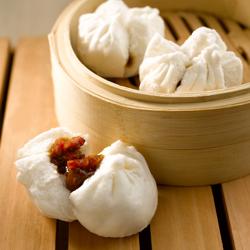
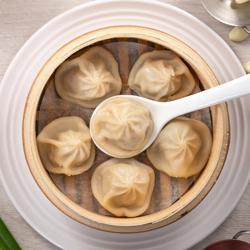
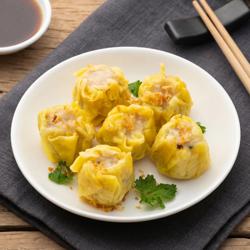
Chinese cooking classes for foodies offer a delicious way to move beyond familiar takeout favorites and understand the techniques, ingredients and regional traditions behind the food. These recommended experiences are well suited to curious home cooks who enjoy learning by doing, whether they are picking up a wok for the first time or looking to refine skills they already use in the kitchen. A hands-on class may focus on the rhythm of a fast stir-fry, the patient folding of dumplings or the careful shaping of handmade noodles, while an interactive virtual class can bring expert instruction into your own kitchen. Both formats can be rewarding: in person, you benefit from immediate guidance, shared meals and the energy of a small group; online, you can learn at a comfortable pace with your own cooking tools and pantry close at hand. When comparing classes, consider the regional style, level of instruction, class length and amount of preparation involved. Chinese cuisine encompasses a remarkable range of flavors and methods, from the bold chile and numbing peppercorn notes associated with Sichuan cooking to the delicate seasonings and polished presentation found in Cantonese cuisine. A class centered on dim sum may emphasize steaming, pleating and dough work, while a noodle-focused session may explore mixing, stretching, cutting and cooking fresh dough. Reading the class description closely can help match the experience to your interests, schedule and comfort level.
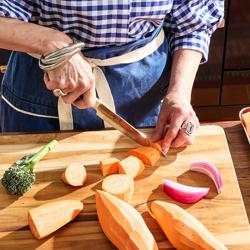
For foodies, the most rewarding Chinese cooking classes explain not only what to do, but why each step matters. Knife skills are especially valuable: vegetables cut into similarly sized pieces cook evenly, while strategic slicing across the grain can make meat more tender and pleasant to eat. Students may also learn velveting, a preparation technique that uses a light coating—often including cornstarch and egg white—to help protect protein during high-heat cooking and create the smooth texture associated with many restaurant-style stir-fries. Wok control is another essential lesson. The pan needs to be hot enough to sear ingredients quickly, but the cook must also manage the order of additions so aromatics do not scorch and vegetables retain some of their crispness. Fresh ginger, garlic and scallions often form the aromatic foundation, joined by ingredients such as soy-based seasonings, rice vinegar, sesame, fermented bean pastes or chile sauces to create balance between savory, sweet, tangy, spicy and aromatic flavors. A well-designed class may also cover steaming, braising, frying, roasting or dumpling preparation, giving participants techniques they can repeat long after the lesson ends. These experiences are useful for cooks who want to host a more thoughtful dinner, build confidence with unfamiliar ingredients or make weeknight meals feel more engaging. They can also be a memorable gift for a partner, friend, parent or newly independent cook—especially someone who prefers an experience they can enjoy and remember rather than another item for the kitchen shelf. As the weather warms, lighter stir-fries, steamed dishes and fresh noodle preparations can make an appealing project; during the cooler months, classes that explore braises, soups and comforting dumplings offer a natural way to spend time in the kitchen.
Choosing among
Chinese Cooking Classes For Interactive Experiences often comes down to the kind of learning that feels most inspiring. Look for clear details about the menu, regional focus, skill level, ingredient list and whether participants cook, observe or do a combination of both. Beginners may appreciate an instructor who breaks down foundational movements, demonstrates safe knife handling and allows time to practice, while more experienced cooks may prefer a focused lesson on handmade biang biang-style noodles, Sichuan spice combinations, Cantonese dim sum or high-heat wok cooking. Small-group studio sessions can be especially helpful when you want personal feedback on dough texture, dumpling pleats or the proper motion for tossing ingredients. Virtual masterclasses are a practical choice for cooks who want to learn from home, and they can be enjoyable as a shared activity when friends or family members join from different kitchens. Before booking, check whether specialty ingredients or equipment are supplied, mailed in advance or expected at home, and make sure the format suits the recipient if the class is intended as a gift. A little preparation—organizing ingredients, clearing counter space and keeping a towel nearby for busy wok work—makes the experience smoother and leaves more attention for the cooking itself. The best class is one that connects technique with context, helping you recognize how heat, texture, aroma and timing come together on the plate. With practice, the lessons extend well beyond a single menu: a sharper knife, a better understanding of aromatics and a more confident approach to high-heat cooking can transform everyday meals into food worth gathering around.