Chinese cooking classes offer a practical, welcoming way to explore one of the world’s most varied culinary traditions, whether you are learning to fold dumplings for the first time or refining the timing of a high-heat stir-fry. The best class experiences make technique feel approachable while providing context for the ingredients, tools and regional traditions behind each dish. When choosing among culinary Chinese cooking classes, consider the format, level of instruction and style of cooking that best fits your interests. In-person classes are a good choice for cooks who appreciate hands-on guidance, the energy of a shared kitchen and the chance to learn by watching an instructor work at close range. Virtual classes let you cook along from your own kitchen, making them a convenient option for busy schedules, out-of-town participants or groups who want to learn together from different locations. A strong online class should include a clear ingredient list, preparation notes and enough time to pause for questions or adjust the pace. For a broader selection of experiences, explore
Chinese Cooking Classes For Foodies, with options suited to curious beginners, confident home cooks and anyone looking to deepen their understanding of Chinese cuisine. Whether the class focuses on a single dish or builds a complete menu, look for instruction that explains not only what to do, but why each step matters.
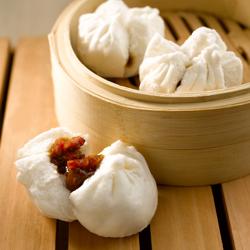
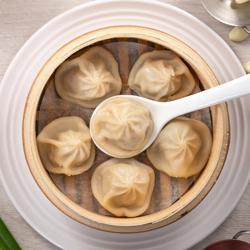
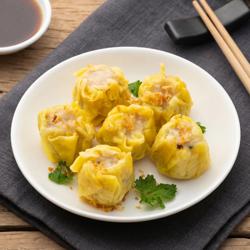
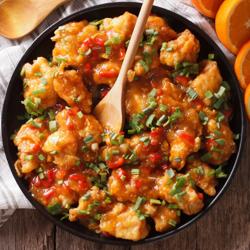
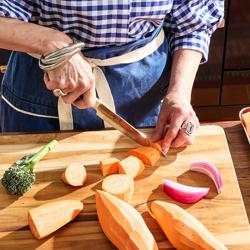
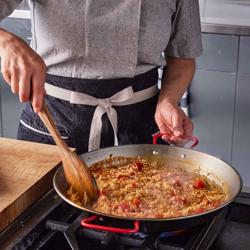
Technique is at the heart of a rewarding Chinese cooking class. Knife skills are especially important because evenly sliced ingredients cook quickly and remain distinct in the finished dish. A lesson may cover the proper way to prepare ginger, garlic and scallions, along with techniques for julienning vegetables, slicing meat across the grain and keeping a steady, controlled pace at the cutting board. Wok management is another valuable skill. Cooking over high heat is less about simply turning the burner all the way up and more about understanding timing, heat recovery and the order in which ingredients enter the pan. Aromatics may be added first to perfume the oil, followed by proteins, vegetables and sauce at carefully chosen moments. A good instructor will show how to keep food moving without overcrowding the cooking surface, helping each ingredient sear rather than steam. Classes that include velveting are particularly useful for cooks who want tender chicken or beef with a silky texture. This preparation often uses a light coating such as cornstarch and egg white before cooking, and the technique can transform an everyday stir-fry. Other foundational lessons may include making a balanced sauce, working with rice and noodles, steaming, braising and managing delicate fillings. Dumpling-focused classes can guide you through mixing a flavorful filling, portioning it evenly, sealing each wrapper and choosing among steaming, boiling or pan-frying. Dim sum classes may expand on those skills with small savory bites designed for sharing, while a stir-fry class can teach the quick, rhythmic cooking that makes a weeknight meal feel special. As the weather turns cooler, dishes prepared through steaming, braising and simmering can bring a particularly comforting quality to the table, while lighter stir-fries and dumplings remain useful throughout the year.
Culinary Chinese cooking classes are a thoughtful choice for many kinds of learners and make an engaging gift for anyone who enjoys cooking, exploring cultures through food or hosting friends at home. They can be especially appealing to couples, families, roommates and groups of friends who want an activity that ends with a meal everyone has helped create. A class can also be a meaningful gift for a recent graduate setting up a first kitchen, a seasoned home cook eager to expand beyond familiar recipes or a food lover who enjoys learning the stories behind regional dishes. Before selecting a class, think about the recipient’s experience level, dietary preferences, available cooking equipment and appetite for hands-on work. Beginners may benefit from a class that introduces pantry staples, basic knife handling and one or two dependable recipes without moving too quickly. More experienced cooks may prefer a deeper focus on regional Chinese cuisine, dim sum, noodle making, wok cooking or advanced preparations. It is also helpful to check whether ingredients and equipment are supplied, whether substitutions are provided and whether the class includes recipes or reference materials to use afterward. The most useful instruction leaves you with skills that extend beyond a single menu: the confidence to season by balance, prepare ingredients efficiently and adjust a dish to suit the people at your table. Picture a cutting board scattered with scallion greens and ginger, the warm aroma of garlic rising from the wok, and a plate of dumplings passed around while everyone compares their first folds with their latest. That sense of discovery is part of what makes Chinese cooking classes so memorable. They turn familiar ingredients into an invitation to practice, share and keep cooking long after the lesson ends.