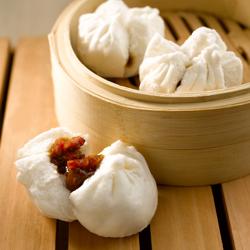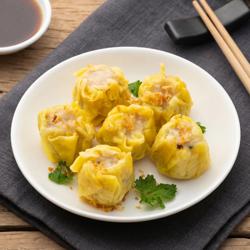
Chinese cooking classes for Labor Day bring a shared experience to the holiday weekend, with time to explore new flavors, practice useful techniques, and enjoy the satisfaction of making a meal. They can appeal to beginners who want a clearer understanding of the basics, home cooks hoping to move beyond a familiar dinner rotation, and friends or couples looking for an activity centered on food. For someone who usually hosts a cookout, a class offers a different way to think about a holiday gathering: a platter of dumplings to pass around, vegetables cooked until just tender, or noodles that bring several textures together in one bowl. Chinese cooking encompasses many regional traditions, so the menu matters more than a broad cuisine label alone. A dumpling-focused session offers a different experience from a class built around stir-frying, and a regional menu may introduce seasonings or methods that are less familiar from restaurant favorites. Depending on the class description, the learning might center on shaping filled dough, working with high heat, preparing ingredients for quick cooking, or balancing a sauce. These are skills with uses well beyond a single celebration. Labor Day provides the occasion to gather; the cooking itself offers a chance to better understand dishes through their ingredients, techniques, and cultural context. A class can also suit a solo attendee who enjoys learning alongside other people or a family planning an outing, provided the listed age requirements and format fit the group. For cooks with different confidence levels, a clearly described beginner-friendly session can provide common ground without requiring everyone to arrive with the same experience. The most useful starting point is the individual class listing, where the menu, expected participation, and any prerequisites help distinguish a relaxed introduction from a more focused skills session. That detail makes it easier to choose an experience for the people attending, rather than simply choosing a dish that sounds appealing.
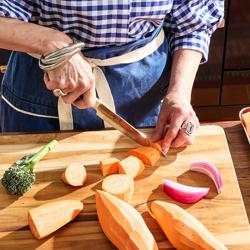
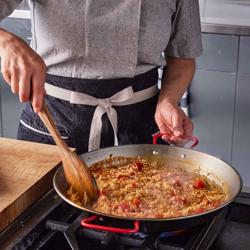
Much of the value of a Chinese cooking class lies in seeing how small decisions affect the finished meal. In a stir-fry lesson, for example, evenly cut ingredients and an organized work area are not just matters of neatness. They help a cook manage a method that moves quickly once the pan is hot. An instructor may explain why vegetables enter the pan at different times, how excess moisture interferes with browning, or why overcrowding can leave ingredients steaming instead of searing. Watching those changes happen can make a technique easier to understand than reading a recipe alone. The same is true of aromatics: ginger, garlic, and scallions appear in many Chinese dishes, but their proportions and the point at which they are added influence the result. A class may show how an aromatic smells before it begins to brown or how a sauce changes as it thickens and coats the food. Dumpling lessons offer another kind of learning, with attention to filling consistency, portion size, and a secure seal. A neatly pinched edge is satisfying, but understanding how to avoid overfilling can be more useful than achieving an elaborate pleat on the first attempt. Depending on the menu, steaming, boiling, or pan-frying may illustrate how one style of preparation differs from another. Noodle and vegetable dishes can introduce timing, texture, and the relationship between a sauce and the ingredients it seasons. Chinese cuisines do not share a single flavor profile; a class with a regional focus can help explain those distinctions instead of treating every dish as a variation on the same sauce. When comparing classes, the techniques named in the description are worth as much attention as the finished dishes. Someone who wants more confidence at the stove may get lasting value from heat management and knife work, while someone drawn to a collaborative kitchen project may prefer folding and shaping. An appealing menu invites participation, but practical explanations are what help the learning carry into everyday cooking.
For Labor Day entertaining, that learning can be especially relevant to the parts of hosting that happen before guests sit down. A class that addresses preparation and cooking sequence may help clarify which components can be organized ahead and which benefit from last-minute attention. That distinction matters when a host wants to spend time at the table rather than finish every dish at once. Depending on the recipes, dumpling filling, measured sauce ingredients, or washed and cut vegetables may provide opportunities to discuss advance preparation, proper storage, and food safety. The goal is not necessarily a larger menu. It may be a more manageable one, with a few dishes chosen for their contrasting textures and compatible timing. A shared plate with crisp edges, a tender vegetable dish, and a bowl of rice can offer plenty to enjoy without making the gathering feel like a kitchen endurance test. For a broader focus on organizing the holiday meal,
Cooking Classes for Labor Day Meal Prep provides a related theme to explore alongside Chinese cooking. Practical fit also deserves consideration before choosing a session. The stated length, location or online format, and balance of demonstration and hands-on work can all shape the experience. For an online class, any equipment and ingredient requirements are particularly important to review in advance. Dietary needs call for the same care: Chinese recipes may include wheat, soy, sesame, eggs, shellfish, or other allergens, and an ingredient substitution is not always possible without changing the lesson or the dish. The class details and stated accommodation policies should guide that decision. With those considerations settled, the occasion can stay centered on learning and spending time together. A successful class need not end with perfect dumpling folds or restaurant-style speed. Greater confidence judging doneness, a better understanding of seasoning, and a few techniques worth repeating can be meaningful takeaways from a Labor Day experience built around cooking.