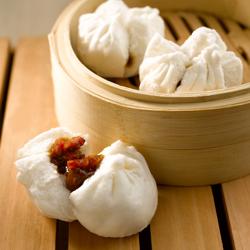
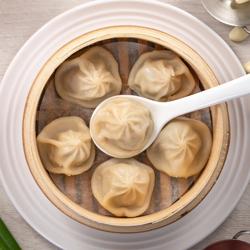
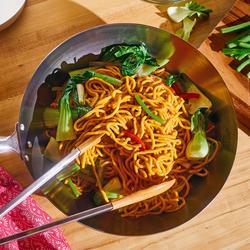
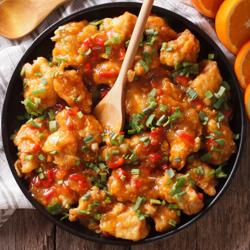
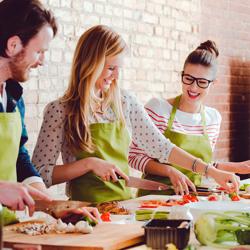
Chinese cooking classes offer a hands-on way to explore the flavors, techniques, and regional traditions behind dishes that often become household favorites. For a fall outing, that might mean learning to fold dumplings with a friend, sharing a cooking experience on date night, or getting more comfortable preparing a complete meal beyond the usual weeknight rotation. Depending on the class menu, the focus may be crisp-bottomed dumplings, quickly cooked stir-fries, steamed buns, or dishes inspired by dim sum traditions. Each offers a different kind of practice, from handling dough gently to recognizing when vegetables have reached the right texture. Chinese cooking encompasses many regional cuisines, so the menu matters more than a broad label alone. Cantonese-inspired dishes can introduce delicate steaming methods and carefully balanced seasonings, while Sichuan-inspired cooking may explore the relationship between chile heat, fragrant aromatics, and the distinctive tingling sensation of Sichuan peppercorns. A class centered on dumplings creates a different experience from one devoted to wok cooking, even when some pantry ingredients overlap. That variety makes these classes appealing to beginners who want clear explanations as well as experienced home cooks looking to understand a particular technique. Familiarity with restaurant dishes can be a useful starting point, but cooking them reveals details that are easy to miss at the table: the moisture level of a filling, the thickness of a wrapper, or the way a sauce coats rather than overwhelms its ingredients. Instruction can help connect those details to repeatable results. The experience is about more than following a recipe; it is a chance to see how preparation, timing, and seasoning work together. For someone who loves Chinese food but feels unsure about making it at home, a focused menu can make the process feel approachable without reducing a rich culinary tradition to a single style.
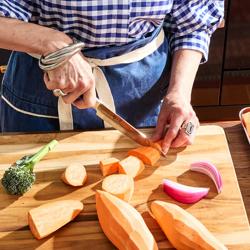
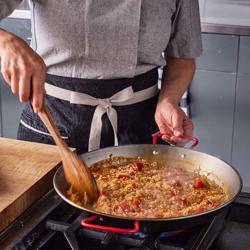
Much of the value of a Chinese cooking class lies in seeing and practicing the small decisions that shape a finished dish. Stir-frying, for example, starts well before anything reaches the pan. Vegetables cut to similar sizes cook more evenly, ingredients arranged within reach make a quick sequence easier to manage, and a sauce mixed ahead of time helps prevent a rushed finish. In a class that covers these techniques, an instructor can explain why a crowded pan encourages steaming instead of browning and why cooking in batches sometimes gives better results. Those lessons are especially helpful for home cooks working with an ordinary stove rather than restaurant equipment. Dumpling classes offer another set of satisfying, tactile skills. A filling needs enough moisture to stay tender without making the wrapper difficult to seal, and a secure fold matters more than an elaborate shape. Watching a demonstration, trying the movement, and adjusting the next dumpling can make a once-intimidating task feel manageable. Depending on the menu, students may also explore how steaming, boiling, and pan-frying create different textures from similar ingredients. Seasoning brings another layer of understanding. Soy sauce, vinegar, ginger, garlic, sesame, and chiles play distinct roles, and their balance changes from dish to dish. Learning why an ingredient is added at a particular stage can be more useful than memorizing a long ingredient list. Aromatics need attention so their fragrance develops without scorching; a thickened sauce should cling lightly rather than turn heavy or pasty. These are practical observations that carry into everyday meals. They can help someone turn sliced vegetables, tofu, or a familiar protein into a more thoughtfully prepared dinner. The appeal is in recognizing what is happening in the pan: the sound of an active sizzle, the appearance of a properly sealed dumpling, and the moment a sauce reaches the right consistency. Guided practice gives those cues meaning and helps build confidence through experience rather than guesswork.
The best fit depends on the kind of cooking experience you want to share and the skills you hope to bring home. A dumpling-focused class can suit friends who enjoy working with their hands and comparing their first attempts with their last, while a stir-fry menu may appeal to someone who wants a more efficient approach to dinner. A class featuring several complementary dishes can help a home cook understand how to organize a meal so that each component reaches the table at its best. For couples, cooking together offers a shared activity with something tangible to accomplish; for an individual attendee, the kitchen setting provides a natural point of connection through a common interest. Classes can also make thoughtful experience gifts for curious cooks, enthusiastic hosts, or someone who would rather learn a skill than receive another object for the kitchen. Fall birthdays, anniversaries, and time set aside with visiting friends all offer reasons to gather around a cooking lesson without making the experience depend on a holiday. Class descriptions are useful for understanding the menu, expected participation, and any stated experience requirements. Ingredient details matter, too, particularly for guests managing allergies or dietary restrictions involving wheat, soy, sesame, shellfish, or other ingredients that may appear in Chinese dishes. Confirming those needs before booking helps establish whether a particular class is suitable; a vegetable-based menu alone does not establish that every dietary need can be accommodated. For another way to explore menus connected to the time of year, browse
Chinese Cooking Classes for Seasonal Dishes. A well-matched class leaves room for both enjoyment and useful learning. The lasting reward may be a neatly sealed dumpling, a better sense of how to season a sauce, or the confidence to prepare a favorite dish for people gathered around your own table. Those modest, practical gains are often what turn an enjoyable cooking experience into a skill that gets used again.