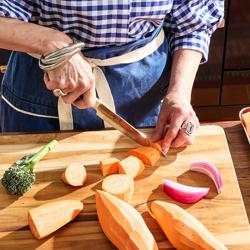
Cooking classes for couples with salad recipes offer a relaxed way to spend time together while learning techniques you can bring into your own kitchen. These hands-on experiences often go well beyond tossing greens in a bowl. Depending on the class format and menu, you may learn how to balance bitter, sweet, salty, sour and savory flavors; prepare a vinaigrette from scratch; build contrast with crisp vegetables, tender grains, roasted ingredients or toasted nuts; and arrange a salad that feels polished enough for a dinner party. A well-made salad can be the centerpiece of a meal, a bright side for braised chicken or steak, or a satisfying dish on its own. Couples may work side by side to wash and cut produce, whisk dressings, roast seasonal vegetables and taste each component as the recipe comes together. The best classes make room for conversation and discovery, with instructors offering practical guidance on knife skills, seasoning, texture and timing. For a date night, anniversary, birthday or thoughtful gift, a couples cooking class creates an experience you can share rather than something that sits on a shelf. Browse
Cooking Classes For Couples to find an option suited to the kind of time you want to spend together, whether that means an evening in a culinary studio or an interactive lesson enjoyed from home.
When choosing a class centered on salad recipes, consider the cooking style, level of instruction and overall menu before booking. Some couples prefer an approachable class that focuses on dependable foundations, such as how to make a classic vinaigrette, massage sturdy greens, slice vegetables evenly and adjust seasoning by taste. Others may enjoy a more adventurous menu built around layered flavors and restaurant-style presentation. A sturdy kale salad with a sharp Parmesan vinaigrette can introduce the importance of massaging greens until they soften and absorb flavor. A modern bistro-style salad might pair peppery arugula with roasted beets, pistachios and a creamy dressing, showing how earthy, bright and crunchy elements can work in one bowl. An Asian-inspired soba salad can bring shredded vegetables, noodles, herbs and a sesame or rice-vinegar dressing together for a meal with plenty of color and movement. Look for class descriptions that explain whether ingredients and equipment are provided, how much active participation is included, and whether recipes are shared afterward. In-person classes are a good fit for couples who enjoy learning in a lively setting, meeting other food lovers and receiving immediate feedback from an instructor. Virtual classes can be just as rewarding for those who want to cook in a familiar kitchen, set their own pace or recreate the menu later with ingredients they already enjoy. It is also helpful to check the expected skill level, class length, accessibility details and any preparation instructions so the experience feels comfortable from the first chop to the final taste.
Salad-focused cooking classes are especially useful during the cooler months, when roasted squash, beets, hearty grains, apples, pears, cabbage and dark leafy greens can give a fresh dish enough substance to share at the table. As the weather changes, the same techniques can be adapted to whatever looks best at the market: crisp greens with citrus and toasted seeds, roasted vegetables with a tangy dressing, or a warm grain salad finished with herbs and a handful of crunchy toppings. Couples who are building confidence in the kitchen can use these lessons to create reliable weeknight meals, while more experienced home cooks may pick up ideas for entertaining, meal preparation and composing a balanced menu. A class can also be a thoughtful gift for newlyweds, longtime partners, friends celebrating an anniversary or relatives who appreciate food and shared experiences. When giving a class, consider the recipients’ schedule, preferred learning format and appetite for hands-on cooking. A flexible experience works well for busy couples, while a scheduled in-person date night adds a sense of occasion. Afterward, the recipes can become part of your own routine: dress a simple green salad for a weeknight dinner, turn leftover roasted vegetables into lunch, or make a favorite vinaigrette to keep on hand. The lasting value comes from learning how flavors and textures fit together, then having the confidence to make the dish your own.