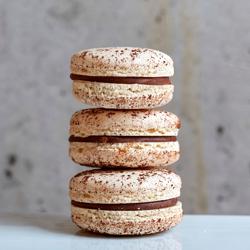
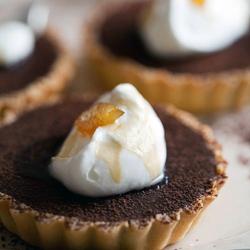
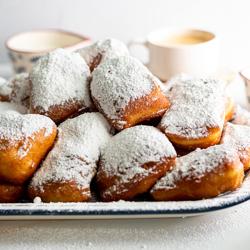
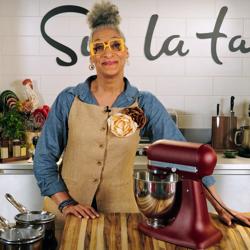
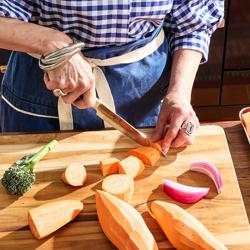
Elegant desserts are built on a combination of careful technique, thoughtful presentation and dependable kitchen essentials. Cooking classes focused on refined sweets can help home cooks move beyond basic recipes and learn the details that make a dessert feel polished, from achieving delicate layers in a pastry to creating a smooth finish on a tart. Hands-on workshops and online classes may cover French macarons, fruit-filled pastries, custards, chocolate desserts, multi-tiered cakes and other desserts suited to dinner parties, celebrations or relaxed baking during the cooler months. Many classes begin with foundational skills that apply across recipes: measuring ingredients accurately, understanding how temperature affects butter and eggs, whipping a stable meringue, rolling dough evenly, tempering chocolate and piping clean, consistent lines. These lessons are especially helpful for anyone who has experienced cracked macarons, sunken cakes or pastry that loses its shape in the oven. An instructor can explain what to look for at each stage, whether the batter should flow slowly from a spatula, whether a meringue is glossy enough to hold its peak or whether a tart shell has baked to an even golden color. In-person culinary workshops offer the added benefit of immediate feedback and a shared table where learners can compare techniques, while virtual and on-demand classes make it easier to practice at home and revisit a challenging step. Typical in-person sessions may range from about $65 to $150 per person, while virtual instruction often falls between $32 and $49, depending on the format, length and level of guidance. When comparing classes, consider the dessert menu, the skill level, the amount of hands-on practice and whether ingredients or equipment are included. A class centered on one focused technique may be ideal for a newer baker, while a longer workshop with several components can suit someone ready to build a composed dessert from start to finish.
The right kitchen essentials can make class techniques easier to repeat at home. Look for pieces that support accuracy and control rather than simply adding clutter to a baking space. A reliable way to measure ingredients, bowls in several sizes, tools for whisking and folding, a sturdy surface for rolling dough and dependable baking vessels are useful foundations for nearly any pastry lesson. For decorative work, consider the type of finish you hope to create: fine piping requires control and consistency, while glazed desserts depend on a smooth surface and careful temperature management. Materials matter, too. Heat-responsive cookware can be useful when preparing custards, caramel or chocolate, while durable, easy-to-clean surfaces are practical for dough, flour and powdered sugar. Storage also deserves attention, particularly for delicate desserts that need to cool completely before they are covered or transported. If these essentials are being given as a gift, match them to the recipient’s interests and experience. Someone who enjoys hosting may appreciate tools that support plated desserts and decorative finishing; a relative who is learning to bake may benefit from versatile basics that can be used for cakes, cookies, tarts and pastry cream. A cooking class paired with a few well-chosen baking essentials can create a particularly thoughtful gift because it offers both instruction and a way to keep practicing afterward. For a lighter style of pastry and refined French technique, explore
Cooking Classes for Light French Desserts, where the emphasis may include balanced flavors, delicate textures and elegant presentation.
Learning to make sophisticated desserts is often less about chasing perfection than about understanding small visual and sensory cues. A cake layer should feel springy rather than wet in the center, pastry dough should remain cool enough to hold its shape, and a finished glaze should catch the light without looking heavy. Classes can show how to divide a larger recipe into manageable stages, allowing components such as sponge, filling, syrup and decoration to be prepared with less stress. That approach is useful when entertaining during the cooler months, when a carefully finished tart or layered dessert can bring warmth to a dining table, as well as during the fall-to-winter stretch of celebrations and gatherings. Choose instruction that fits the way you learn: a local workshop may suit those who enjoy personal coaching and a social setting, while a virtual format can be more comfortable for cooks who prefer to pause, replay and practice privately. It is also worth checking class size, recipe access, ingredient lists, allergen information and the level of advance preparation required. Beginners often gain confidence from lessons that explain the “why” behind each step, while experienced bakers may prefer focused instruction in chocolate work, sugar decoration, laminated dough or cake design. With the right guidance and a few dependable essentials, an ambitious dessert becomes a sequence of approachable tasks: prepare, bake, cool, assemble and finish. The result is not only a beautiful sweet for sharing, but also a set of techniques that can become part of your regular kitchen routine.