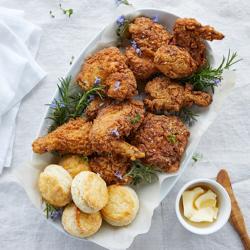
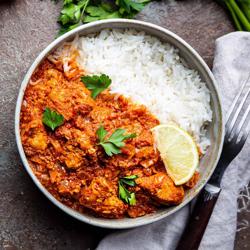
Cooking classes for making spiced chicken bring together two useful kitchen skills: cooking poultry with confidence and building flavor with spices. Depending on the menu, these classes may explore dry rubs, aromatic marinades, spice-based sauces, or the gentle layering of seasonings throughout cooking. Spiced chicken does not always mean hot chicken. A dish can be fragrant with coriander, earthy with cumin, warm with cinnamon, or smoky with paprika without delivering much chile heat. Learning those distinctions makes it easier to cook for your own taste and for the people around your table. For beginners, a class can offer an approachable introduction to seasoning, preparing chicken safely, and recognizing when it is properly cooked. More experienced home cooks may come for a closer look at regional flavor combinations or a better understanding of why a favorite marinade works. There is something especially helpful about connecting an explanation to a sensory cue: the nutty aroma of spices warming in a pan, the color of a well-browned piece of chicken, or the difference a squeeze of lemon makes to a rich sauce. Those details can be difficult to pick up from a recipe alone. When comparing classes, look at the full menu, the techniques described, and the experience level indicated rather than choosing only by the name of a dish. A session centered on a quick sauté may suit someone looking for weeknight ideas, while a menu built around marinating and roasting may appeal to a cook who enjoys a more leisurely dinner. During the cooler months, the appeal is easy to picture: a warm kitchen, fragrant spices, and a meal worth sitting down to share. The lasting benefit, though, is not tied to a season. Understanding how seasoning and cooking methods work together gives familiar chicken dinners more range throughout the year.
The most valuable lessons in a spiced chicken cooking class often concern balance rather than the number of spices in a recipe. Depending on the class, you might explore how whole and ground spices behave differently, why some seasonings benefit from brief contact with warm oil, or how extended heat can dull delicate aromas. Blooming spices in fat can help distribute their flavor through a dish, but timing matters; fragrant can turn bitter quickly when the pan is too hot. Seeing that transition explained during a lesson helps make the technique less mysterious. Marinades offer another useful area of study, particularly the roles of salt, acid, fat, and ingredients such as yogurt. A good class can help clarify what a marinade contributes to flavor and texture without treating it as a guarantee of tender chicken. The cut of chicken and the cooking method still matter. Boneless breasts, thighs, and bone-in pieces have different cooking needs, and understanding those differences helps prevent a beautifully seasoned dinner from becoming dry or unevenly cooked. Food safety belongs alongside flavor: instruction may cover keeping raw poultry separate from ready-to-eat ingredients, handling used marinade safely, and checking doneness with a food thermometer rather than relying on color. Chicken should reach a safe internal temperature of 165°F, measured in the thickest part without touching bone. Beyond the chicken itself, a complete menu may show how rice, vegetables, herbs, and cooling or acidic accompaniments support the main dish. A spoonful of something creamy can soften the impression of heat, while fresh herbs bring contrast to deeply toasted spices. Classes that identify a particular regional tradition can also give useful context for the ingredients and techniques on the menu, rather than presenting all spice-forward cooking as interchangeable. If browned skin and oven-based techniques are especially appealing,
Cooking Classes With Roasted Chicken offers a related theme to explore. Roasting and spice work overlap naturally, especially when the goal is a fragrant exterior and juicy, properly cooked meat.
These cooking classes can suit several kinds of occasions, from a solo outing focused on learning to a shared evening with a partner, friend, or family member. Someone who cooks chicken frequently may appreciate a fresh approach to a familiar ingredient; someone setting up a first kitchen may value foundational skills that carry over to other meals. For a couple, the appeal might be preparing dinner together without falling into the usual routine of one person cooking while the other sets the table. Friends may enjoy comparing how they notice sweetness, smokiness, acidity, and heat in the same bite. A class can also make a thoughtful gift for a curious home cook, particularly when the menu matches flavors they already enjoy or have wanted to understand better. Before choosing, check the class description for the format, duration, participation details, age requirements, and any stated skill expectations. If an online option is available, review the equipment and ingredient requirements so the experience fits the kitchen where you will be cooking. For an in-person session, details about shared workstations and group participation can help set expectations. Dietary restrictions deserve attention before booking, since a chicken menu may still include dairy, nuts, wheat, or other allergens in marinades, sauces, and side dishes. Heat preferences are worth checking, too; a menu described as spiced may be mild, while one featuring several chiles may have less flexibility than expected. The best fit is a class whose flavors, pace, and techniques feel inviting, with enough unfamiliar territory to make the experience worthwhile. Think of the everyday moments those lessons could improve: chicken warming in a skillet after a long day, a tray coming out of the oven for friends, or leftovers that still taste thoughtfully seasoned the next afternoon. Learning why a dish works makes those moments easier to repeat. Rather than relying on a longer ingredient list or an extra spoonful of heat, you can leave with a clearer sense of how to create depth, keep flavors in balance, and make chicken a meal you look forward to cooking.