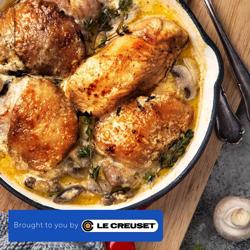
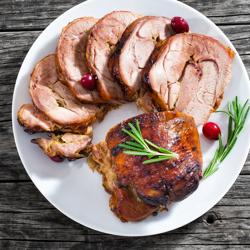
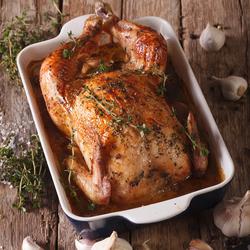
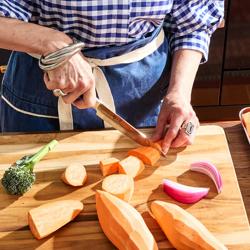
Cooking classes for mastering poultry are a practical way to build confidence with one of the most versatile ingredients in the kitchen. A well-designed class can take you from selecting and handling a whole bird to preparing it safely, seasoning it thoughtfully and cooking it until the meat is tender and the skin is beautifully browned. Look for instruction that covers more than a single recipe. The most useful lessons explain how different cuts behave, when to use dry heat or moist heat, how to recognize doneness and how to make small adjustments based on the size of the bird, the cooking vessel and the desired result. Whether the class is online or in person, clear demonstrations of knife technique, portioning and preparation can make everyday cooking feel far less intimidating. Learning to break down a whole chicken, for example, gives you control over the size and shape of each piece, while techniques such as spatchcocking help a bird cook more evenly and develop crisp, golden skin. Trussing can encourage an attractive presentation, while braising and stewing offer a forgiving path to deeply seasoned, tender meat during the cooler months. Classes that include poultry food safety are especially valuable, covering clean preparation habits, cross-contamination prevention, proper storage and the use of a thermometer to verify doneness. These details may seem simple, but they are the foundation of relaxed, reliable cooking.
When comparing cooking classes for mastering poultry, consider the format that best fits the way you learn. An in-person class offers the energy of a shared kitchen, hands-on practice and the opportunity to receive immediate guidance as you hold a knife, shape a bird or adjust a pan sauce. It can be a rewarding choice for beginners who want reassurance or for experienced home cooks who want to sharpen their technique. Online classes offer their own advantages: you can pause a demonstration, replay a difficult step and return to the lesson whenever you are preparing dinner at home. Look for classes organized around clear skill levels, practical recipes and techniques that transfer to other meals. A strong poultry course may cover purchasing considerations such as the difference between whole birds and individual cuts, how to judge freshness and how the choice of bone-in, boneless, skin-on or skinless meat affects cooking time and flavor. It may also explore foundational methods including roasting, sautéing, grilling, frying, braising and slow cooking, along with ways to build sauces from pan drippings, stock, herbs, citrus or aromatics. Recipe-focused instruction is helpful, but the greatest value often comes from understanding why a method works. Once you know how to create a dry surface for better browning, when to rest cooked meat and how to balance a rich dish with acidity or fresh herbs, you can adapt a lesson to suit your household, available ingredients and preferred style of cooking. For a class centered on a familiar favorite, explore
Cooking Classes With Roasted Chicken for inspiration that can carry from a simple weeknight meal to a generous dinner shared around the table.
These classes can serve a wide range of cooks and make thoughtful gifts for anyone who enjoys gathering people around food. A new home cook may appreciate a structured introduction to poultry basics, while a confident cook might choose an advanced lesson focused on fabrication, sauces, regional preparations or restaurant-style presentation. Couples, friends and family members can enjoy an in-person class as a shared experience, and an online lesson can be a considerate gift for someone who prefers learning at their own pace. Poultry is also an especially useful subject for cooks who want to make the most of their grocery budget. A whole bird can provide several meals: roasted portions for dinner, chilled meat for sandwiches or salads and bones for a flavorful stock. Instruction can show how to plan those uses, season poultry without overwhelming its natural flavor and transform leftovers into dishes that feel intentional rather than repetitive. As the weather turns cooler, lessons in roasting, braising and comforting soups can bring warmth to the kitchen, while grilling, pan-searing and lighter preparations remain useful whenever the occasion calls for something fresh and quick. Before choosing a class, review the listed skill level, lesson length, teaching format, ingredient requirements and whether specialized equipment is needed. It is also worth considering whether you want broad poultry fundamentals or a focused session devoted to a particular technique. The right class should leave you with more than a finished dish; it should give you a dependable set of skills you can use for family dinners, weekend cooking, festive gatherings and everyday meals throughout the year.