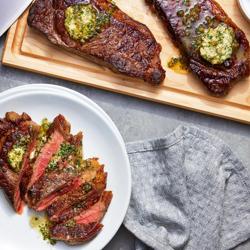
Cooking classes with blow torch techniques offer a hands-on way to build confidence with controlled, high heat. In an experienced instructor’s hands, a culinary torch becomes a precision broiler that can caramelize sugar, brown meringue, melt cheese, sear the surface of a steak, and add color to vegetables without heating the entire kitchen. Classes centered on these techniques often begin with the fundamentals: how to ignite and adjust the flame, how to hold the torch comfortably, and how distance, movement, and heat affect different ingredients. Sugar needs steady, even passes to form a delicate, glassy crust, while meringue calls for a gentler flame and a sweeping motion that lightly burnishes the peaks without collapsing or scorching them. Savory lessons may explore the rich browning created by the Maillard reaction, from finishing a sous vide steak to melting a cheese topping over soup or crostini. Other useful applications include blistering the skin of peppers and tomatoes for easy peeling, charring citrus for a deeper aroma, and giving fruit, nuts, or custards a warm, toasted finish. A well-structured class lets students practice these methods on several kinds of food, making the lessons easier to remember than a single demonstration. It also helps explain when a torch is the right choice and when a conventional broiler, skillet, or oven will offer better control. For cooks comparing culinary torches and related kitchen tools for home practice, look for an adjustable flame, a comfortable grip, a stable base or secure storage option, and clear fuel requirements. A reliable ignition and an easy-to-read control can make a noticeable difference when working close to delicate food. Consider the size and balance as well; a torch that feels steady in the hand is easier to move in small circles over crème brûlée or across a row of meringue peaks. Some cooks prefer a compact option for occasional desserts, while others may value a larger fuel capacity for frequent entertaining and savory cooking. Classes can also help shoppers understand which features are genuinely useful for their routines rather than choosing based on appearance alone. For additional inspiration and technique-focused learning, explore
Cooking Classes for Chef Tips, where practical instruction can make high-heat finishing feel more approachable.
These classes are a natural fit for curious home cooks, confident bakers who want to refine their finishing work, and anyone who enjoys learning a technique that produces an immediate visual transformation. They can be especially rewarding for people who love dinner parties: a brûléed dessert finished at the table, a bubbling cheese crust on French onion soup, or a softly browned lemon meringue can turn a familiar dish into a memorable finale. A torch and the right supporting accessories may also make a thoughtful gift for a new homeowner, an enthusiastic baker, a host who enjoys cooking for friends, or someone building a more capable kitchen setup. Pairing the gift with a class gives the recipient both the equipment and the knowledge to use it safely, which is often more valuable than handing over a tool without context. During the cooler months, torch techniques bring warmth and contrast to comforting foods, from caramelized custards and toasted marshmallows to gratins, roasted fruit, and richly browned toppings. When choosing items for practice at home, think about the foods the cook already enjoys making, the amount of storage available, and whether the tool will be used for occasional finishing or regular high-heat cooking. Heat-resistant work surfaces, long-handled utensils, sturdy ramekins, and protective gloves can support a more comfortable setup, while a well-ventilated area and uncluttered counter help keep attention on the flame. Safety should always come first. Use a culinary torch only as directed, keep flammable materials, paper, towels, and loose clothing away from the work area, and make sure the flame is fully extinguished before setting the tool down or storing it. Allow heated surfaces and sugar coatings to cool before serving, and never leave an ignited torch unattended. A class led by a skilled chef can demonstrate safe lighting, proper positioning, controlled passes, and the signs of over-browning far more clearly than written instructions alone. With practice, cooks learn to listen for the faint crackle of caramelizing sugar, watch for the first golden edges on meringue, and stop at the moment a surface has developed the right color and aroma. That combination of technique, timing, and restraint is what makes blow torch cooking so satisfying: the flame is dramatic, but the best results come from calm movements and careful attention.