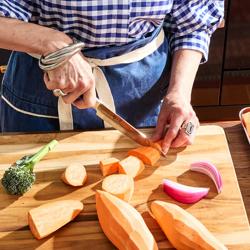
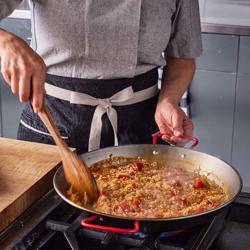
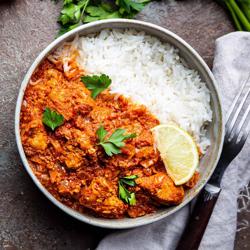
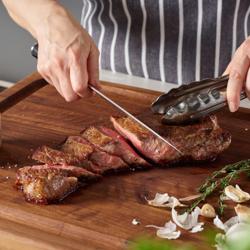
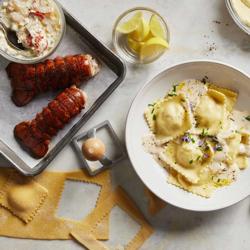
Creole date night cooking classes turn a shared meal into something a couple makes together, with the flavors of Louisiana providing plenty to explore along the way. These classes pair an interest in cooking with the pleasure of spending time together, giving couples a chance to practice techniques, discover regional dishes, and enjoy the results of their teamwork. Rooted in New Orleans and the broader Louisiana landscape, Creole cooking reflects generations of exchange among African, French, Spanish, Caribbean, Native American, and other communities. Its character comes from that layered history, expressed through aromatic vegetables, carefully developed sauces, rice, seafood, and seasonings that build flavor rather than simply add heat. Depending on the class menu, the evening might center on gumbo, jambalaya, shrimp étouffée, or another dish associated with the region. Each offers a different way to understand how everyday ingredients become a meal with depth and personality. For a couple accustomed to ordering dinner out, the appeal is the experience before the first bite: chopping vegetables side by side, watching a sauce come together, and comparing impressions as the cooking progresses. One person might notice the sweetness of softened onion while the other picks up the aroma of toasted flour or fresh herbs. Those small discoveries give the evening a natural rhythm without requiring either person to be an accomplished cook. Beginners can find satisfaction in learning a foundational skill, while more experienced home cooks can pay closer attention to timing, texture, and the decisions that shape a finished dish. A date night class can suit a new couple discovering shared interests, longtime partners looking for a different kind of evening, or two enthusiastic cooks who enjoy learning together. The setting gives both people something to do and something to talk about, with a shared meal as the reward.
Much of the interest in a Creole cooking class comes from seeing the details behind familiar dish names. A roux, for example, is more than a thickening ingredient: cooking flour in fat develops color and flavor, and its role changes with the dish. Where a menu includes roux-based cooking, instruction may explore how its aroma and appearance develop, why steady attention matters, and how a darker roux behaves differently from a lighter one. Onion, celery, and bell pepper—the aromatic combination often called the holy trinity in Louisiana cooking—offer another useful lesson in building a flavorful base. Learning how these vegetables soften and mingle can make a familiar bowl of gumbo feel more understandable, not just more delicious. Rice dishes bring their own considerations, including the balance of liquid, seasoning, and cooking time needed for a satisfying texture. Seafood-focused menus may introduce the importance of adding shrimp at the right stage so they remain tender, while a sauce-centered dish can highlight how stock, aromatics, and a measured amount of spice work together. Creole food is sometimes described as uniformly fiery, but its range is much wider than that shorthand suggests. Pepper can contribute warmth and character without overwhelming the other ingredients. Creole and Cajun cooking also share ingredients and histories, though they are not interchangeable; individual dishes and family traditions often resist a simple dividing line. Tomato appears in some Creole preparations, but its presence alone does not explain an entire cuisine. A thoughtfully focused class gives these distinctions context through the food being prepared. If dessert is part of the menu, bread pudding or pralines can introduce another side of Louisiana cooking, from the way a custard soaks into bread to the care involved in cooking sugar. The exact dishes shape the experience, making each menu a useful starting point for finding an evening that appeals to both people.
For couples, the lasting value of a Creole date night cooking class often lies in the habits and memories that travel home afterward. Preparing a meal together creates opportunities to divide tasks, coordinate timing, and notice how each person likes to work. A confident cook may enjoy slowing down enough to explain a familiar motion, while a less experienced partner may discover a task that feels comfortable and rewarding. Neither person needs to turn the evening into a performance. There is room to concentrate on a sauce, laugh over an unevenly chopped pepper, and appreciate the moment when separate ingredients begin to smell like dinner. An anniversary, birthday, or simple break from the usual dinner reservation can all be good reasons to choose this kind of experience. It can also make a thoughtful gift for a partner who values time together and enjoys discovering food beyond the usual rotation. Couples drawn to the wider culinary traditions of the city can also explore
New Orleans Cooking Classes For Couples for related experiences. The most meaningful fit comes from a menu both people are curious about, whether the attraction is seafood, a richly flavored rice dish, or the chance to understand a classic Louisiana sauce. Dietary needs deserve attention, particularly because some traditional preparations include shellfish, wheat, dairy, or sausage; the stated menu and class details matter more than assuming a substitution will be possible. Participation requirements and the balance between hands-on cooking and demonstration are worth understanding as well, since formats can differ. What connects these experiences is the chance to make cooking part of the date rather than leaving it behind the kitchen door. Long after the evening, a familiar aroma or a carefully stirred roux can bring back the memory—and give a couple a reason to cook together again.