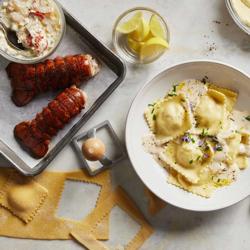
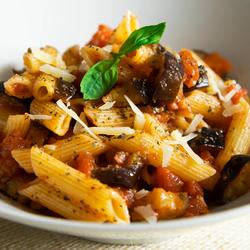
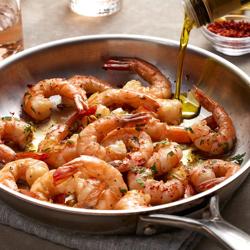
Date night cooking classes with citrus menus bring a bright, flavorful focus to time spent together in the kitchen. Lemon, lime, orange, and grapefruit each have a distinct character, from the fragrant oils in their peels to the sharpness or sweetness of their juice. Across a thoughtfully composed meal, those differences can connect dishes without making every course taste alike. A lemon dressing might sharpen the flavor of tender greens, orange can lend sweetness to a savory sauce, and lime can give a rich dessert a clean, lively finish. For couples who enjoy dining out, a cooking class offers a different perspective on the meal: the chance to experience the chopping, tasting, and small adjustments that happen before a plate reaches the table. The appeal is as much about the shared activity as the food. There is something satisfying about dividing the prep, noticing how a sauce changes with a squeeze of lemon, and sitting down to something made together. These classes suit a range of occasions, including an anniversary, a birthday celebration, a first cooking date, or an evening that breaks from the usual dinner reservation. Experienced home cooks may appreciate a fresh approach to familiar ingredients, while less confident cooks can enjoy having instruction and a menu to follow. Citrus also creates room for different tastes within the same theme. Some menus lean toward delicate seafood and herbs; others pair bright accents with poultry, pasta, or richer sauces. A dessert course might highlight the tang of a citrus filling or the aroma of finely grated zest. Looking at the complete menu helps couples find an evening that matches the way they like to eat, whether that means a meal built around familiar flavors or an introduction to combinations they would not ordinarily make at home. The unifying ingredient gives the experience a clear focus while leaving plenty of room for discovery from one course to the next.
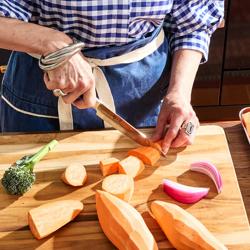
A citrus-centered cooking class can make everyday kitchen skills feel especially useful because small decisions have such noticeable results. Zest brings aroma with relatively little acidity, while juice changes the balance of a dish more directly. Learning the difference helps explain why a sauce may need one, the other, or both. Depending on the featured menu, instruction may cover removing zest without the bitter white pith, cutting clean citrus segments, whisking a dressing into an even emulsion, or building a pan sauce with a balanced finish. These are techniques with a life beyond the evening, useful for everything from a simple salad to a more elaborate dinner for guests. The same is true of tasting for balance. Lemon juice does not simply make a dish taste lemony; in the right amount, it can bring richer flavors into focus. Orange can soften a sharper edge, and grapefruit can introduce a pleasant bitterness that needs thoughtful pairing. Working through those contrasts with an instructor gives couples a chance to understand what they are tasting rather than simply follow measurements. On a savory menu, that might mean seeing how citrus works alongside olive oil, butter, garlic, fresh herbs, or toasted spices. In a baking or dessert component, the emphasis may shift to texture, the fragrance of zest, or the relationship between tartness and sweetness. The exact lessons depend on the dishes being prepared, so a menu featuring citrus pasta offers a different experience from one centered on a citrus sauce and a plated dessert. Both can make the ingredient feel more versatile. There are practical lessons in timing, too: coordinating separate components, keeping a work area organized, and recognizing when a dish is ready for its finishing touch. For two people cooking together, those details create natural opportunities to trade tasks and compare impressions. One person might notice the floral quality of orange zest while the other picks up on the way a little acidity changes a buttery sauce. That shared attention is part of what makes the meal memorable.
Choosing a date night class is also about finding an experience that feels comfortable for both people. A menu with several familiar elements can be a welcoming starting point when one person cooks often and the other usually handles the dishes. A less familiar preparation can give two confident cooks something new to explore together. Neither person needs to turn the evening into a test of speed or skill; the enjoyment comes from participating, asking questions, and watching separate ingredients become a finished meal. Class descriptions are helpful for understanding the featured courses, the level of participation, and any details about shared workstations or group preparation. Dietary needs deserve the same attention, since a citrus theme alone does not indicate whether a menu includes seafood, dairy, eggs, gluten, or nuts. Reviewing those details before choosing helps keep the focus on the experience itself. For couples planning an anniversary or celebrating a birthday, the menu can become part of the occasion: perhaps a flavor that recalls a favorite restaurant meal, a dish connected to a memorable trip, or simply an ingredient both people love. The experience can continue at home through a dressing worth making again, a better way to finish a sauce, or a dessert technique that feels less intimidating after trying it with guidance. Couples interested in exploring another culinary direction can also consider
Creole Date Night Cooking Classes for an evening centered on a different set of flavors and traditions. With citrus-focused menus, the lasting appeal is the combination of an enjoyable meal and an ingredient that rewards closer attention. A familiar lemon or orange becomes more interesting when its peel, juice, fragrance, and balance each have a purpose. Sharing that discovery gives date night a satisfying rhythm, from the first bit of prep to the last taste of dessert, with a few new kitchen skills to bring home together.