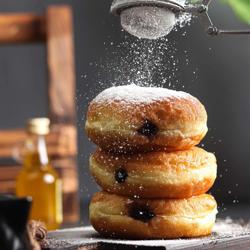
Donut making classes for friends turn a familiar treat into a shared cooking experience, with time to learn, work together, and enjoy the results. Depending on the class menu, the experience may include mixing dough, shaping rings, frying, preparing fillings, or finishing donuts with a glaze. The appeal goes beyond a box of sweets: friends get to see how ingredients become something with a delicate crust, a tender center, and a finish that makes the first bite especially satisfying. These classes can suit a pair of longtime friends, a small circle planning a birthday outing, or a group looking for something more interactive than meeting for coffee. Beginners have a reason to get comfortable with dough, while friends who already enjoy baking can explore a technique they have not tried at home. A shared task also gives conversation a natural rhythm. There is something to compare, notice, or laugh about, whether it is the shape of a freshly cut ring or the concentration required to dip a donut neatly into glaze. The selected class determines the recipes and techniques, so the menu matters as much as the general theme. A yeast-raised donut class centers on a different kind of dough than a cake-style donut class, and a session featuring filled pastries offers a different experience from one focused on glazed rings. That variety makes it possible to choose around the group’s interests rather than expecting every donut class to follow the same format. For friends who enjoy understanding how food is made, the attraction is in the details: the feel of dough under the hands, the change in texture after resting, and the way a simple finishing touch brings everything together. It is an outing built around participation, with a familiar treat giving everyone a starting point, even when their kitchen experience is very different.
A donut class offers a close look at the decisions that shape texture and flavor. With yeast-raised dough, that might mean learning how mixing and kneading develop structure, why enriched dough behaves differently from a lean bread dough, and what properly proofed dough looks and feels like. Cake-style donuts introduce another set of considerations, including how chemical leavening works and why gentle handling can help preserve tenderness. In a class that includes frying, instruction may cover managing oil temperature, recognizing signs of doneness, and handling hot oil safely. These are useful distinctions for friends who have admired bakery donuts but have not understood why a batch can turn out dense, greasy, or unevenly browned. Seeing a demonstration and getting feedback can make those differences easier to recognize than reading a recipe alone. Shaping brings its own small discoveries: an even thickness helps pieces cook consistently, while careful handling helps protect the structure developed during mixing and resting. Finishing can be just as engaging. A glaze changes as it settles, a sugar coating adds a different texture, and a filling needs enough body to stay where it belongs. When these techniques are part of the menu, friends can compare how each finish changes the same basic dough without turning the experience into a competition. The most satisfying moments are often modest ones, such as recognizing that dough is ready or understanding why a glaze needs a slightly different consistency. Friends with different interests may find themselves drawn to different parts of the process, from the precision of shaping to the creativity of decorating. For a broader look at related experiences,
Hands On Donut And Pastry Classes brings the focus to practical pastry learning. The individual class description remains the best source for the recipes covered, the level of instruction, and the balance between demonstration and participation, especially when the group has a particular technique in mind.
Choosing a donut making class for friends is also about choosing the kind of time to spend together. A birthday gathering can feel more personal when everyone shares an activity, and a reunion gives old friends a chance to make a new memory instead of simply revisiting familiar stories. A class can also make a thoughtful experience gift for a friend who loves baking, enjoys trying unfamiliar techniques, or would rather do something together than receive another possession. For a casual catch-up, the appeal may be as simple as setting aside time for a common interest without one person doing all the preparation and cleanup at home. Group size, class length, participation format, and any stated age requirements help establish whether a particular session fits the occasion. Attending the same scheduled class does not necessarily mean having a private event, and friends who want an experience exclusively for their group should confirm that format rather than assume it. Dietary needs deserve similar attention. Donut recipes often include wheat, eggs, and dairy, while fillings and toppings can introduce additional allergens; a class should not be assumed to accommodate substitutions or provide an allergen-free setting unless that is expressly stated. Clear expectations leave more room to enjoy the experience itself. Comfortable clothing that allows movement, along with any required kitchen footwear, can make hands-on work easier, while the class details should explain what participants need to bring. There is no need for every friend to arrive with the same skill level or enthusiasm for every step. One may be fascinated by dough, another by fillings, and another by the chance to share an activity. A well-matched class gives those interests a common focus. Long after the last bite, the useful part may be a better understanding of dough, more confidence around a new technique, or a recipe that becomes a reason to get together again.