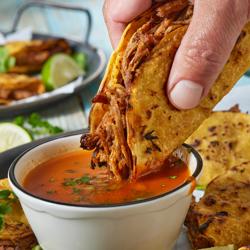
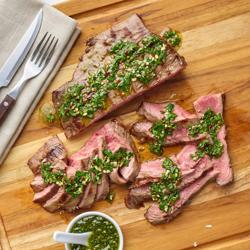
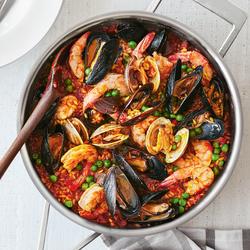
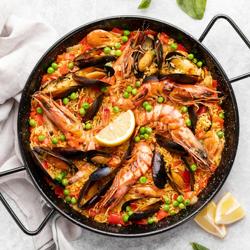
Experiences for Latin food lovers bring the pleasure of a memorable meal into the kitchen, where the aromas, textures, and techniques behind favorite dishes become part of the experience. Cooking classes offer a hands-on way to explore Latin American cuisines while building skills that carry over into everyday cooking. The subject is wonderfully broad: Mexico, Central America, South America, and the Latin Caribbean encompass distinct food traditions, with differences from one region, community, and household to another. Indigenous ingredients and techniques, alongside African, European, Asian, and other influences, have shaped dishes with their own histories and identities. A focused class can make those distinctions more tangible through a particular menu, whether the emphasis is on working with masa, folding filled pastries, preparing a vibrant sauce, or balancing the richness of a slowly cooked filling. Familiar ingredients such as corn, beans, rice, chiles, citrus, and herbs take on different roles depending on how they are prepared and combined. A toasted chile brings something different to a sauce than a fresh one; a squeeze of lime can sharpen a rich bite without making the whole dish taste sour. Those small discoveries are part of what makes learning in a kitchen so satisfying. Instead of encountering a finished dish only at the table, participants can follow the decisions that give it character. The fragrance of spices blooming in a pan, the feel of dough becoming pliable, and the contrast between a crisp edge and a tender center all provide useful clues. For someone who already loves Latin American food, a class adds another dimension to that enjoyment. For someone whose experience begins with a few restaurant favorites, it creates an inviting opportunity to discover how much more there is to taste and understand. That sense of discovery can be just as appealing as the meal itself, especially when a familiar flavor suddenly makes more sense because its building blocks are right in front of you.
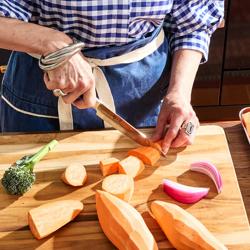
The most rewarding learning often happens in the details that a written recipe cannot fully explain. A chef’s demonstration can show how finely an ingredient needs to be chopped, what a properly thickened sauce looks like, or how gently to handle a dough before it becomes difficult to shape. In a hands-on class, the opportunity to try a technique and receive feedback can make an unfamiliar task feel much more manageable. A beginner might appreciate guidance on organizing ingredients and recognizing doneness, while a more practiced home cook may be drawn to a new preparation method or a better understanding of flavor balance. Both can find satisfaction in learning why a dish works rather than simply following a sequence of steps. Depending on the menu, the experience might involve shaping tortillas, sealing empanadas, building a layered salsa, or coordinating several components so they come together as a complete meal. These are useful skills beyond any single recipe. Learning to judge moisture in a filling, for example, can help prevent a pastry from becoming soggy; learning to taste for salt and acidity can make vegetables, beans, and sauces more expressive. There is room for different kinds of curiosity, too. Some cooks want to understand the role of dried chiles without assuming every dish must be intensely spicy. Others are interested in the variety of vegetable-centered preparations, the appeal of handmade dough, or the way a bright garnish complements a savory main dish. The class menu helps set the direction, while the act of cooking gives those interests something concrete to connect with. Even a simple task can become memorable when it explains a familiar frustration, such as dough that cracks at the edges or a sauce that tastes flat despite having plenty of seasoning. That practical connection is what can turn an enjoyable outing into knowledge worth returning to at home. It also gives experienced cooks a chance to revisit familiar habits with fresh attention.
A Latin cooking experience can suit many kinds of company and occasions, from a date night built around doing something together to a birthday gathering for a friend who loves planning the next meal. Couples can enjoy sharing the work rather than leaving one person responsible for dinner, while friends can trade their usual restaurant reservation for an activity with something to talk about at every stage. A solo attendee can focus on a personal interest and enjoy learning in the company of others who are curious about food. Experience levels do not have to match perfectly for the outing to feel worthwhile; one person may be comfortable at the stove while another enjoys discovering the rhythm of preparation and assembly. The strongest fit comes from choosing a menu and class format that suit the people attending, including their interests, comfort level, and any dietary considerations described in the class details. Someone who enjoys precise, hands-on work may be especially interested in shaping and filling, while a cook who loves tasting and adjusting may gravitate toward sauces and layered seasonings. Those eager to try unfamiliar dishes can also explore
Cooking Classes for Adventurous Eaters Latin when choosing an experience with discovery at its heart. As a gift, a cooking class can recognize a genuine interest without requiring the recipient to find room for another kitchen possession. It may suit a partner who loves exploring restaurant menus, a parent who enjoys cooking for family, or a friend hoping to expand a dependable dinner rotation. The lasting appeal is not limited to recreating every dish exactly. It might be the confidence to work with an unfamiliar ingredient, a clearer understanding of a favorite sauce, or the memory of finally getting a tricky fold to hold. Those small successes give the experience a life beyond the class, adding new possibilities to future meals and another reason to gather around the table.