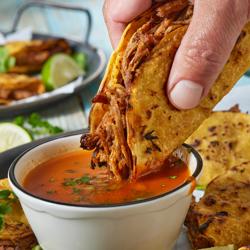
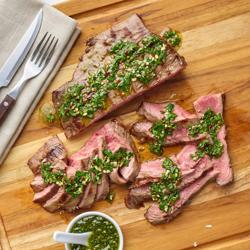
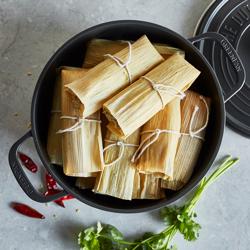
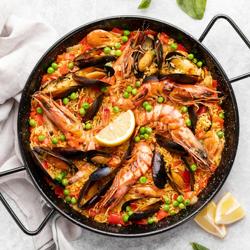
Virtual cooking classes for Latin cuisine fans bring chef-led instruction into the home kitchen, with menus that can focus on a particular regional tradition, a familiar dish, or a technique worth learning from scratch. In a live, interactive class, you cook along with an instructor and can ask questions as you go. A prerecorded lesson gives you the freedom to pause while chopping or replay a demonstration before trying it yourself. That difference matters when the written recipe tells you to knead until the dough feels right, but you’ve never worked with masa before. Seeing how an instructor presses a small piece of dough and checks the edges for cracks gives you a better sense of what to look for in your own bowl. The menu matters just as much as the format. Latin American cooking encompasses distinct traditions, and even a dish with a familiar name can vary from one region or household to the next. A class centered on Mexican cooking might explore what happens when you toast dried chiles for a salsa, while a lesson on Puerto Rican cooking might show how a fragrant sofrito flavors a pot of beans. An Argentine empanada lesson might spend as much time on the filling and the folded seam as on the dough itself. Those details help explain how a dish comes together and why a method that works well for one version might not suit another. They also give cooks a way into an unfamiliar cuisine without making a whole region’s cooking seem like a single set of recipes. For someone who already knows a family version of a dish, a different regional approach can be just as interesting as learning something entirely new. Watching another cook shape, season, or serve it can bring a familiar detail into focus, whether it’s the texture of the filling or the tartness of the sauce served alongside.
A class is often easiest to choose by thinking about what you’d like to be able to do on your own afterward. A beginner might want to make a salsa that tastes balanced instead of adding lime or salt at random, while a confident cook might be more interested in shaping a batch of empanadas that hold their seams. Live instruction is especially useful for steps where a few seconds or a small adjustment make a difference. If dried chiles darken before they smell fragrant, for example, it helps to ask how low to turn the heat before toasting the next batch. If a filling makes the dough difficult to seal, an instructor can explain why letting it cool or using a little less can make folding easier. Browse
Interactive Latin American Cooking Classes if you’d like to cook along and ask about those details as they come up. Before a session, read through the menu and check what needs to be measured, chopped, or softened ahead of time. If an ingredient is unfamiliar or difficult to find locally, check whether a substitution makes sense for that recipe. A swap that works in a blended sauce may not work in a dough, where a different flour can change how much water it takes and how easily it holds together. In a small kitchen, a clear stretch of counter and a screen set back from the stove can make it easier to watch a demonstration without interrupting your prep. Keep a spoon handy for tasting and leave a little room beside the cutting board for the step you’ll want to try while it’s still fresh in your mind. A note like “stop adding water when the pressed edges look smooth” is more useful the next time you make tortillas than a reminder to follow the recipe closely.
An online Latin American cooking class can be a date night, a birthday get-together, or a way to make dinner with friends who live far apart. It works just as well as time set aside to cook on your own, especially if you’ve tasted a dish at a restaurant or a family table and want to understand how it was made. For two people sharing a kitchen, divide the work so both get a chance to try the part that drew them to the class. One person can tend the pan while the other rolls or folds the dough, then trade places for the next batch. If friends are joining from separate kitchens, read through the menu together beforehand so everyone knows which steps take longer and whether anything needs time to rest. It’s fun to compare plates at the end, but comparing what happened along the way can be even more useful. One cook may notice that the second tortilla puffed after the skillet had more time to heat, while another may find it easier to seal an empanada after spooning in less filling. For a gift, start with what the recipient likes to do in the kitchen. Someone who enjoys having friends over might appreciate learning a dish that can be assembled with company, while a cook who usually makes dinner for one might get more out of a salsa or sofrito technique that fits into several meals. The lesson doesn’t have to end with making the whole menu again. The next time beans are on the stove, you might recognize when the aromatics have cooked enough to add them. Or when a salsa tastes sharper than you remember, you may know to taste for salt before reaching for another squeeze of lime. That confidence is what makes a class worth bringing back into everyday cooking.