-
(79)
Chef Bre showed us that we can make great food at home with the right ingredients and technique....We always love the date nights. . Loved the company-You get to meet fun people....Chef Bre is the absolute best!
Pros: fun, educational, friendly staff
-
(23)
Great experience!
Pros: delicious meal, helpful tips, fantastic experience
-
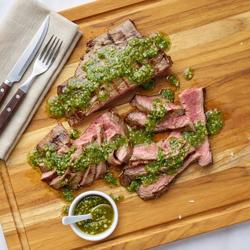
Cooking Class Description: Celebrate the last lingering warmth of summer with a menu that captures the season at its peak. You'll sear skirt steak and pair it with a vibrant from-scratch salsa verde. A farro risotto enriched with red wine and fresh thyme...
Flank Steak Grilling Classes
Flank steak grilling classes offer a hands-on way to master one of the most flavorful cuts of beef. Whether you’re new to the grill or looking to expand your skills, these classes provide practical techniques and approachable tips for cooking flank steak to perfection. Discover how simple ingredients and the right methods can turn a classic cut into a memorable meal, all while building your confidence at the grill. Explore our selection of flank steak grilling classes and get ready to impress at your next cookout.
Best Of FAQ
In a flank steak grilling class, you'll learn essential techniques for marinating, seasoning, and grilling flank steak to perfection. Instructors will cover topics such as selecting the best cuts, achieving optimal doneness, and slicing against the grain for maximum tenderness.
No prior grilling experience is necessary. Our classes are designed for all skill levels, from beginners to seasoned home cooks. Instructors provide step-by-step guidance and hands-on practice to ensure everyone feels comfortable at the grill.
Yes, many flank steak grilling classes include instruction on preparing complementary sides and sauces. You'll discover recipes and techniques for creating delicious accompaniments that enhance your grilled steak meal.
Most of our flank steak grilling classes are hands-on, allowing you to actively participate in every step of the cooking process. You'll have the opportunity to grill your own steak under the guidance of expert instructors.
Absolutely! Our instructors encourage questions throughout the class to help you gain confidence and deepen your understanding of grilling techniques. Feel free to ask about anything from marinade tips to grill maintenance.


-
"Chef Bre showed us that we can make great food at home with the right ingredients and technique"
-
"Great experience"
-
"knew of to skin garlic cloves, each of which never efficiently worked, and learned in this class the best"
-
"Chef Bre showed us that we can make great food at home with the right ingredients and technique"
-
"Chef Bre showed us that we can make great food at home with the right ingredients and technique"