-
(47)
Great class!...Liz was a great teacher and we got tons of hands on experience making all three desserts....Larissa was a great instructor, had a great time. Highly recommend.
-
(2)
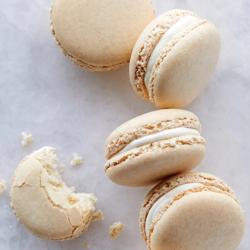
Cooking Class Description: Learn to create classic macarons in our latest three-hour baking class! Our chef instructor will teach you the skills and techniques for perfecting two macaron flavors: Toasted Almond and Strawberry. You’ll learn to build your...
-
(2)
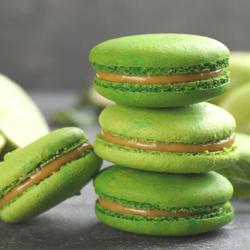
Cooking Class Description: Fall treats and French sweets meet in this Focus Series class! Our chef instructor will teach you all the skills and techniques for making Caramel Apple Macarons. You'll learn to build your batter, how to correctly meringue...
-
(104)
My husband and I really had a great time. Not only was it a lot of fun, the food was spectacular....We laughed and had such a great time. Highly recommend this class....Best Date Night Ever!...Best Night!!!!
-
(20)
Great class!...Great explanations and demonstrations of techniques....Excellent class with great baking advice! I look forward to my next class.
-
(6)
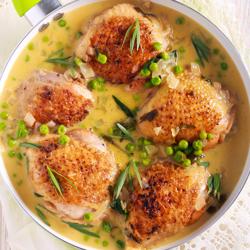
Cooking Class Description: Why settle for dinner and a movie when you can invite your special someone on a culinary tour of France? You’ll love working alongside your date and other classmates preparing a sumptuous meal of authentic French favorites....
-
(4)
I love these online classes, tips and tricks from the professionals that really help you to nail it!...Great experience!
-
Great recipes and fabulous teacher! Thank you Chef Candy!!!...Great recipes but these classes totally come down to the chef leading them....Candy was great and made our day! A really great teacher, super clear and kept the class focused....She is the...
French Dessert Classes With Live Instruction
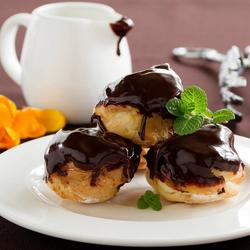
French dessert classes with live instruction invite you to discover the art of classic pastries and sweet treats in an engaging, hands-on environment. Whether you’re drawn to delicate macarons or rich chocolate confections, these sessions are designed to help you build confidence and skill in your own kitchen. Guided by expert instructors, you’ll learn techniques and tips that bring French patisserie within reach—no matter your experience level. Indulge your curiosity and satisfy your sweet tooth as you explore the world of French desserts with live, interactive support every step of the way.
French Dessert Classes With Live Instruction
-
"Liz was a great teacher and we got tons of hands on experience making all three desserts"
-
"wonderful) but of the details of the class:-instructor was knowledgeable, personable & led a great"
-
"Great class"
-
"Great class"
-
"I love these online classes, tips and tricks from the professionals that really help you to nail it"