-
(1)
Great teacher and enjoyable class
-
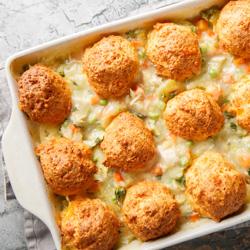
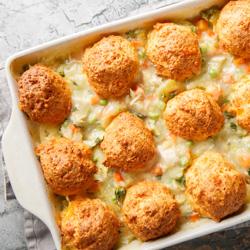
Cooking Class Description: Give your Thanksgiving leftovers a new life! In this class, you'll learn to get creative by using your leftover turkey, cranberry sauce and more to make delicious, reinvented dishes. Nothing will go to waste, and you won't...
-
(5)
Great experience!!! Vanessa gives you detailed directions and extra tips for making your dishes....Great experience!
-
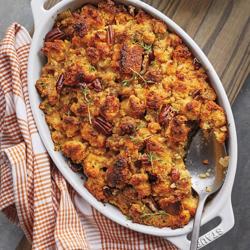
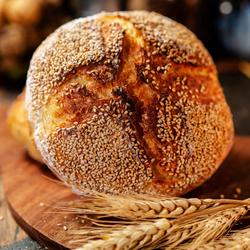
Cooking Class Description: Master one of Thanksgiving’s most-loved sides and learn how to make it your own. Your Chef Instructor will guide you through classic sourdough stuffing, teaching you how to build layers of flavor and achieve that ideal balance...
-
(94)
Great class; great pie...This was a great class, and loved having pie at my Thanksgiving dinner!...Great pastry chef (Anna)! Delicious pie!!
-
(2)
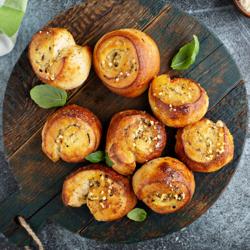
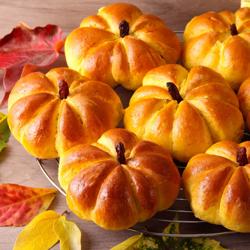
Cooking Class Description: Don't forget the rolls! In this class, we concentrate on dinner rolls for your best Thanksgiving yet. Our chef instructor will teach you our standard dough recipe and how to shape the dough into various shapes. By the end of...
-
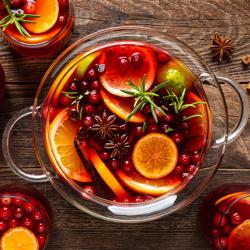
Cooking Class Description: Mix up Thanksgiving cocktails in this mixology-themed class. Our chef instructor will teach you how to make a classic Negroni, a seasonal Harvest Punch and a Cranberry Black Pepper Shrub that’s perfect with or without alcohol....
Friendsgiving Cooking Class Ideas
Friendsgiving is all about gathering with your favorite people and sharing a delicious meal together. If you’re searching for friendsgiving cooking class ideas, you’re in the right place. Discover creative ways to bring everyone into the kitchen, learn new skills, and make lasting memories around the table. Whether you’re planning a cozy dinner or a lively potluck, these friendsgiving cooking class ideas will help you turn your celebration into something truly special.

Best Of FAQ
Friendsgiving cooking classes often highlight crowd-pleasing dishes like roasted turkey, creative sides, hearty vegetarian options, and festive desserts. You'll also find modern twists on classic recipes to inspire your holiday table.
Absolutely! Our classes are designed to be fun and interactive, making them perfect for groups. Cooking together is a great way to celebrate Friendsgiving and create lasting memories.
Yes, our Friendsgiving classes welcome cooks of all experience levels. Our instructors guide you step-by-step, so whether you're a kitchen novice or a seasoned home chef, you'll feel comfortable and confident.
Many of our Friendsgiving classes include vegetarian dishes and offer tips for adapting recipes to suit different dietary needs. Check the class descriptions for details on menu options.
You'll pick up practical techniques for preparing a festive meal, tips for planning and timing, and ideas for presentation. Most importantly, you'll gain the confidence to host a delicious and memorable Friendsgiving celebration.
-
"Great date night"
-
"This is a great class"
-
"Great dishes"
-
"Great teacher and enjoyable class"
-
"We had a great time! Chef Avenly was very personable and easy to follow"