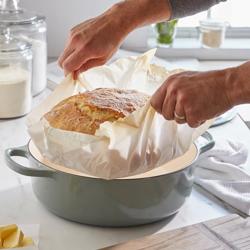
Hands-on class gift certificates turn a present into time spent learning, cooking and sharing a meal. Instead of adding another item to a crowded kitchen, they give the recipient a guided experience they can enjoy at their own pace. A cooking class gift can be a thoughtful choice for a curious home cook, a recent graduate setting up a first kitchen, a friend who enjoys hosting, or someone who would simply appreciate an evening away from the usual routine. Classes may focus on practical techniques, seasonal ingredients, baking, international cuisines, knife skills, entertaining or other areas of culinary interest. Because the experience is interactive, participants typically do more than watch a demonstration: they work with ingredients, practice methods under the guidance of an instructor and often sit down to enjoy what they have prepared. That makes a certificate especially appealing for birthdays, anniversaries, weddings, housewarmings, thank-you gifts and shared celebrations during the warmer and cooler parts of the year. For a group outing, explore
Hands On Group Activity Gifts for experiences designed to bring several people together around a common activity.
When choosing a hands-on class gift certificate, consider the recipient’s experience level, interests, schedule and preferred class format. A beginner may enjoy a class that covers foundational techniques and builds confidence, while an experienced cook may be drawn to a more focused lesson or a cuisine they have not explored before. A single-class certificate can suit someone who likes to try new experiences, while a multi-class option may be a better fit for a dedicated hobbyist or a pair of friends who want to make learning a regular part of their routine. Open-value certificates can offer added flexibility, allowing the recipient to select a class that matches their interests and apply the available amount toward the experience. Prices vary by class length, subject, menu and format, with many cooking experiences falling within a range of approximately $50 to $150 or more per person. Before purchasing, review whether the certificate covers one participant or multiple guests, whether taxes or additional fees apply, and whether the recipient can use it for a class with a different price. Delivery is often available as an electronic certificate sent by email, and some gift certificates can be printed for presentation in a card or gift box. An emailed certificate is useful for a last-minute gift, while a printed version adds a tangible touch when the occasion calls for something to unwrap.
Gift certificate terms deserve the same attention as the class description. Check the expiration policy, since many certificates are valid for about 12 months while others may have no expiration date. It is also helpful to understand how scheduling works, including whether the recipient redeems a unique code online, selects a preferred date after receiving the gift, or contacts the class provider to reserve a place. Popular sessions can fill quickly during busy periods, so a certificate with flexible booking options gives the recipient more freedom to choose an evening or weekend that fits. Policies may also explain whether certificates are transferable, whether missed reservations can be rescheduled, and whether purchases are final sale, non-refundable or unavailable for cash exchange. A little planning makes the experience feel effortless: include the certificate number or redemption instructions, mention any known restrictions and encourage the recipient to book with enough time before the expiration date. Once class day arrives, the best part is often the simple rhythm of working side by side—ingredients being measured, pans warming, conversation moving easily around the counter and a finished dish coming together through everyone’s effort. A hands-on class gift certificate offers that memorable combination of useful instruction, creative discovery and a meal made with one’s own hands.