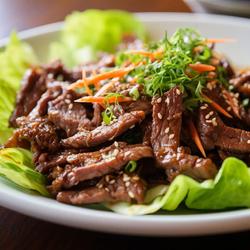
Interactive Southeast Asian cooking classes bring the aromas, textures, and techniques of a diverse culinary region into a setting where tasting and cooking go hand in hand. The sharp fragrance of freshly cut lemongrass, the gentle sweetness of coconut milk, and the savory depth of a well-balanced sauce offer plenty to explore, but no single combination defines Southeast Asian food. Thai, Vietnamese, Indonesian, Malaysian, Filipino, and neighboring cuisines have distinct traditions, with further differences from one region, community, and household to another. A thoughtfully focused class gives those differences room to shine rather than treating the region as one broad menu. Depending on the lesson, participants might explore the contrast between fresh herbs and grilled ingredients in Vietnamese cooking, the layered aromatics of a Thai curry, or the interplay of vinegar, garlic, and savory seasonings in a Filipino braise. The interactive element makes these flavors easier to understand: tasting a sauce before and after a small adjustment can explain balance more clearly than reading a recipe alone. A squeeze of lime may brighten a rich bite, while a touch of sweetness can soften an assertive sour note without making the dish taste sugary. Heat is another dimension, not the sole measure of flavor, and learning how it works alongside salt, acidity, sweetness, and savory depth can make unfamiliar dishes feel much more approachable. For cooks who enjoy Southeast Asian meals but feel unsure about recreating them, classes offer a useful bridge between recognizing a favorite flavor and understanding how it develops. The experience can also deepen appreciation for ingredients that serve different purposes across different cuisines. Fresh herbs may be integral to a finished dish rather than a decorative afterthought, and a dipping sauce may provide an essential contrast rather than simply accompany the meal. These details give a class its substance, connecting the pleasure of eating with the decisions that happen at the cutting board and stove.
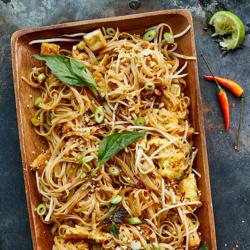
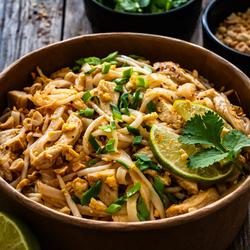
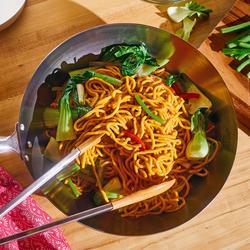
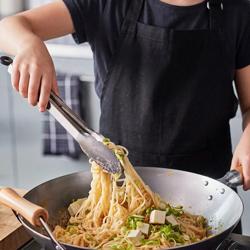
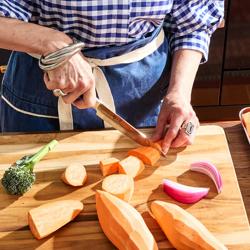
The appeal of a hands-on cooking class is the chance to practice those decisions with guidance close by. A recipe can name a technique, but seeing the size of a knife cut, hearing the sound of ingredients hitting a pan, or noticing when an aromatic mixture becomes fragrant adds another layer of understanding. Depending on the menu, Southeast Asian cooking classes may include preparing rice or noodles, building a curry paste, rolling fresh spring rolls, mixing dipping sauces, or coordinating several components for a shared meal. Each task teaches something useful beyond that particular dish. Working with rice noodles, for example, can reveal why texture depends on both preparation and what happens when the noodles meet a hot pan or sauce. Preparing a fresh roll highlights the value of an organized workspace and the difference between a generous filling and one that makes wrapping difficult. A curry-focused lesson may show how the character of aromatics changes as they cook, helping participants recognize progress by smell and appearance rather than relying only on a timer. These are practical skills for everyday cooking, especially for anyone who has followed a recipe carefully and still wondered why the result seemed different from the description. An interactive setting creates room for those small but important questions. Participants can explore why a sauce tastes flat, how to keep contrasting textures distinct, or which parts of a meal need attention just before serving. The pace and focus will vary by class, so the menu and description are useful indicators of whether an experience emphasizes foundational preparation, a particular cooking technique, or a broader meal. Beginners may appreciate a familiar dish as an entry point, while more experienced home cooks may enjoy a menu that introduces a less familiar method or flavor combination. In either case, the most valuable takeaway is often a clearer sense of what to look, smell, feel, and taste for throughout the cooking process.
Southeast Asian cooking classes can suit a range of people and occasions, from a solo outing built around a favorite cuisine to a date night with something engaging to do together. Friends can share the experience of assembling a meal instead of leaving all the preparation to one host, while family members may enjoy learning a dish that becomes part of future gatherings. The work itself gives conversation a natural rhythm: comparing the fragrance of herbs, taking turns with a preparation task, and tasting the finished meal offer easy points of connection. For someone who enjoys giving experiences, a class can be a thoughtful gift when its menu matches the recipient’s interests and comfort level. A devoted noodle enthusiast might be drawn to a focused noodle lesson, while an adventurous home cook may prefer exploring several dishes from one culinary tradition. Choosing by the actual menu is more helpful than assuming that every Southeast Asian class will feature the same ingredients or degree of spice. It is also worth reviewing participation details and dietary information before choosing an experience, particularly when fish sauce, shellfish, peanuts, soy, or other ingredients are a concern. Substitutions can affect both flavor and technique, so accommodation should never be assumed. Format matters, too: an in-person experience may appeal to someone who enjoys cooking alongside others, while an online lesson can offer the convenience of practicing in a familiar kitchen. For a celebration with a broader Asian culinary focus,
Virtual Asian Holiday Cooking Classes offer another theme to explore. Whether the occasion is a birthday, an anniversary, or simply time set aside to learn, the lasting appeal is the connection between an enjoyable experience and skills that remain useful afterward. Returning to a dish at home becomes less about copying every movement and more about recognizing its structure: the tender center and crisp edge, the fresh finish against a rich sauce, or the small adjustment that brings a whole plate into balance.