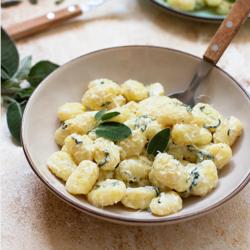
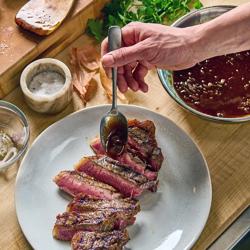
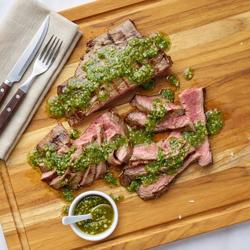
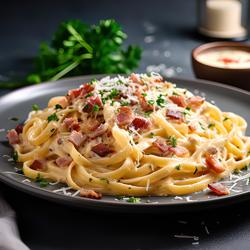
Italian cooking classes for beginners and intermediates offer a welcoming way to build practical kitchen skills while exploring the regional traditions, generous flavors and relaxed spirit of Italian cuisine. Whether you are learning to cook for the first time or looking to make familiar dishes with greater confidence, these classes typically focus on techniques you can use long after the lesson ends. Beginners may start with the essentials: preparing fresh pasta dough, learning how to knead and roll it evenly, understanding when a sauce has reached the right consistency and seasoning food with balance rather than relying on exact measurements. Intermediate cooks can continue with more involved preparations, including filled pasta, hand-shaped dumplings, layered sauces, slow-cooked ragù and classic Italian desserts. A good class should feel hands-on and approachable, with an instructor who explains not only what to do, but why each step matters. The texture of pasta dough, the aroma of onions and garlic softening in olive oil, and the moment a simple sauce comes together are all easier to understand when you can see and practice the process yourself. Classes may also introduce the foundations of an Italian pantry, such as quality olive oil, tomatoes, dried pasta, grains, herbs, cheese and vinegars, helping you create satisfying meals without a long shopping list. For cooks who enjoy learning in a social setting, an in-person workshop can turn dinner into a shared experience, often with time to sit down and enjoy the food prepared during the lesson. Live online classes can offer a similarly interactive format from a home kitchen, especially when the ingredient list and preparation guidance are provided in advance. When comparing class options, consider the level of instruction, the amount of hands-on practice, the recipes covered, the length of the session and whether the class includes a meal or tasting at the end.
The right Italian cooking class can suit many kinds of cooks and occasions. A beginner may appreciate a fundamentals-focused lesson that breaks down pasta making, knife skills, sauce preparation and basic dessert techniques into manageable steps. Someone with more experience may prefer a class centered on regional cooking, more delicate shaping or the slower methods used to develop deep flavor. Italian cuisine is especially rewarding for cooks who enjoy learning through repetition and touch: dough becomes smooth beneath your hands, vegetables soften into a fragrant base, and a sauce changes from separate ingredients into something rich and cohesive. Regional classes can add another layer of discovery by showing how ingredients and techniques vary across Italy. Cooking from northern traditions may emphasize filled pasta, creamy textures and careful pastry work, while central and southern styles may highlight tomatoes, beans, greens, seafood, citrus, herbs and bold use of olive oil. Dessert classes can be a lovely introduction for beginners who prefer baking, with instruction on airy creams, layered sweets and the importance of temperature, timing and texture. These experiences also make thoughtful gifts for a friend moving into a first kitchen, a couple who enjoys cooking together, a family member who loves travel or an experienced home cook ready to expand their repertoire. For pairs looking to share a memorable activity,
Italian Cooking Classes for Beginners and Couples can provide a useful place to explore a class designed around learning and cooking together. Consider the recipient’s comfort level, preferred format and schedule when choosing a class as a gift. An in-person experience may appeal to someone who enjoys conversation and a lively kitchen, while a virtual option can be more convenient for cooks who prefer to learn at home or live outside a major culinary destination.
Italian cooking classes are also a natural fit for the changing rhythm of the seasons. As the weather warms, lessons featuring fresh vegetables, herbs, lighter sauces and simple preparations can offer inspiration for relaxed meals shared outdoors or around a kitchen table with open windows. During the cooler months, cooks may be drawn to handmade pasta, baked dishes, braised sauces, filled dumplings and desserts that make the kitchen feel especially inviting. The most useful classes balance tradition with flexibility, showing how to follow an authentic method while adapting it to the ingredients, tools and time available at home. Before enrolling, check whether ingredients and equipment are included, whether preparation is required beforehand and how much of the cooking will be completed during the session. A class that moves at a measured pace can be particularly valuable for beginners, while intermediate cooks may enjoy a more focused lesson that leaves room for troubleshooting and refinement. It is worth looking for instruction that covers practical details such as dough hydration, proper resting time, sauce texture, ingredient substitutions, safe food handling and ways to organize a cooking station. These small points often make the difference between following a recipe once and feeling comfortable making it again. The best takeaway is not simply a plate of food enjoyed at the end of class, but a stronger sense of how Italian cooking works: begin with good ingredients, build flavor patiently, respect texture and keep the meal connected to the people around the table.