-
(62)
Great times and good food!...Chef David was great! We all had a wonderful time and the food was delicious!...Great class.
Pros: delicious food, fun, great chef
-
(22)
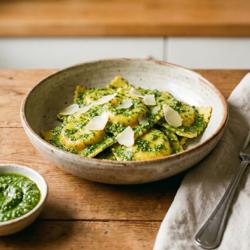
Love me some gnocchi! Actually I could go for some right now!...Great class!
Pros: fun, educational, easy to recreate at home
-
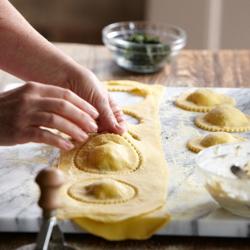
Cooking Class Description: Experience the warmth and flavor of Italy in this menu that celebrates Italian cuisine. Learn the art of crafting fresh pasta dough and master the technique of creating a creamy sauce with eggs, cheese and pancetta for a luxurious...
-
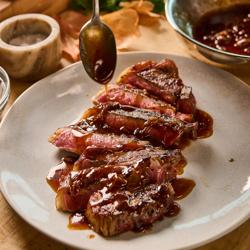
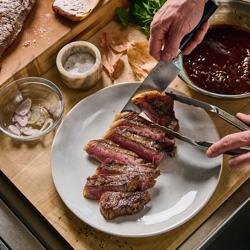
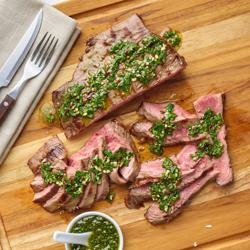
Cooking Class Description: Celebrate the last lingering warmth of summer with a menu that captures the season at its peak. You'll sear skirt steak and pair it with a vibrant from-scratch salsa verde. A farro risotto enriched with red wine and fresh thyme...
-
(105)
Great experience! I'll be back!...Elise was a great teacher!...The fresh, homemade butter was the best! So fun!...Great chef, too many cooks...Didn't love being in a group of four working on one meal.
Pros: fun, class quality, educational
-
(3)
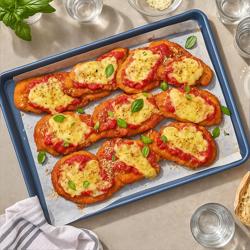
Cooking Class Description: The smell of bread is one of the most comforting aromas in the world. From a whole wheat country loaf to garlicky Italian flatbread, you’ll learn tried-and-true techniques for making artisan favorites at home. Plus, our no-knead...
Italian Cooking Classes For Team Building
Italian cooking classes for team building offer a hands-on way to bring colleagues together over the joy of food. Sharing the experience of preparing classic Italian dishes encourages collaboration, sparks creativity, and builds lasting connections outside the office. Whether your team is looking to strengthen communication or simply enjoy a delicious break from routine, these classes set the stage for memorable moments and genuine camaraderie.
Italian Cooking Classes for Team Building

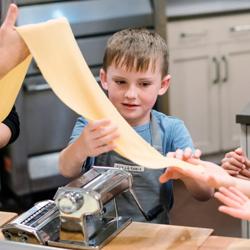
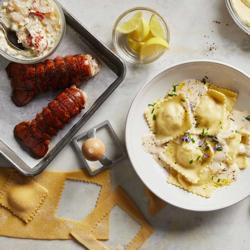
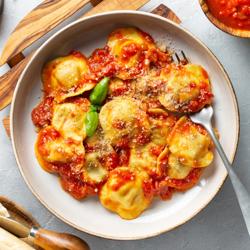
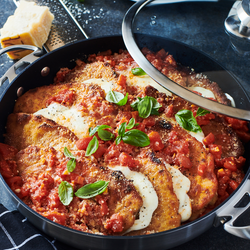
Italian cooking classes for team building offer a relaxed, hands-on way for colleagues to connect beyond the conference room. Instead of sitting through another presentation, a group can gather around a shared workspace, tie on aprons, and learn how a few simple ingredients become a meal through timing, communication, and teamwork. Most in-person experiences run for about three hours, with a chef or culinary instructor guiding the group through each stage, from preparation and knife skills to cooking techniques and plating. Menus may focus on handmade pasta, filled pasta, gnocchi, pizza, calzones, risotto, sauces, or a classic Italian dessert, giving participants a chance to work with familiar flavors in a new way. The most successful team-building formats divide guests into smaller groups and assign each one a meaningful part of the meal. One group may prepare an appetizer, another may shape pasta or manage a sauce, while another handles dessert. These roles create natural opportunities for conversation and collaboration without forcing awkward icebreakers. A good instructor keeps the pace moving, demonstrates each technique clearly, and helps everyone contribute, whether they are confident home cooks or people who rarely spend time in the kitchen. As the room fills with the scent of garlic, herbs, simmering sauce, and freshly baked dough, conversation tends to become easier and more genuine. Colleagues who usually interact through email may find themselves comparing rolling techniques, sharing family food traditions, or laughing over an imperfect first attempt. The finished meal becomes more than something to eat; it is a visible result of shared effort, with each person having a role in bringing it to the table.
When choosing an Italian cooking class for a corporate group, consider the size and personality of the team, the desired level of participation, and the logistics of the event. A private in-person class can work well for groups that enjoy lively interaction and want direct guidance from a chef in a dedicated culinary setting. Ask whether the space can comfortably accommodate the full team, whether guests will cook in smaller stations, and how much of the menu is prepared by participants rather than demonstrated by the instructor. It is also useful to review the expected class length, menu structure, accessibility accommodations, dietary options, and what is included in the booking. Costs often vary by location, class format, menu, and group size; many hands-on Italian cooking experiences fall within a broad range of approximately $65 to $110 per person, though private events and premium menus may be priced differently. Beverage policies vary as well. Some venues offer pairings, while others allow guests to bring wine or beer where permitted, so those details are worth confirming before planning the gathering. Virtual classes can be a practical choice for remote or distributed teams, particularly when colleagues are joining from different cities or working across time zones. These sessions may include a live instructor, a detailed ingredient list, and advance preparation instructions so participants can cook together from their own kitchens. For a remote group, simple recipes with clear stages tend to work best, and a host can encourage everyone to keep cameras on during the hands-on portion before gathering virtually to share the meal. In-person and online classes each create a different kind of connection: one builds energy through a shared room, while the other brings people together across distance. During the cooler months, both formats can add warmth to a company retreat, appreciation event, onboarding program, or end-of-year gathering without requiring a formal dinner or elaborate entertainment.
An Italian cooking class can also make a thoughtful gesture for clients, project partners, employees, or colleagues who appreciate experiences more than another item for their desk. A cooking-class gift gives the recipient flexibility while still offering a clear invitation to slow down, learn something new, and enjoy a meal with others. For companies, these experiences can recognize a demanding project, welcome a new team member, celebrate a milestone, or thank a group for work that often happens behind the scenes. When selecting a class as a gift, think about whether the recipient would prefer an in-person gathering or a virtual format, whether they are likely to attend alone or with a guest, and whether the menu and schedule suit their interests. A flexible certificate or open booking option may be especially helpful for recipients with busy calendars. The best Italian cooking experiences balance instruction with enjoyment: there should be enough guidance to help everyone succeed, but enough room for participants to make the food their own. Details such as class size, cancellation policies, ingredient substitutions, accessibility, and included equipment can make a meaningful difference to the overall experience. A well-planned team event does not need to be overly formal. It might begin with introductions over a cutting board, move into a lively exchange about the best way to shape dough, and end with everyone gathered around a table covered in shared dishes. Even small moments—passing a bowl of sauce, tasting a finished dish, or helping another participant catch up—can reinforce the habits that make teams stronger at work. For additional inspiration when choosing a culinary experience for recognition or corporate entertaining, explore Italian Cooking Class Corporate Gifts. Whether planned for an office team, a remote group, or a valued client, an Italian cooking class creates a memorable setting where collaboration feels natural, the conversation continues well beyond the lesson, and everyone has something delicious to share.
When choosing an Italian cooking class for a corporate group, consider the size and personality of the team, the desired level of participation, and the logistics of the event. A private in-person class can work well for groups that enjoy lively interaction and want direct guidance from a chef in a dedicated culinary setting. Ask whether the space can comfortably accommodate the full team, whether guests will cook in smaller stations, and how much of the menu is prepared by participants rather than demonstrated by the instructor. It is also useful to review the expected class length, menu structure, accessibility accommodations, dietary options, and what is included in the booking. Costs often vary by location, class format, menu, and group size; many hands-on Italian cooking experiences fall within a broad range of approximately $65 to $110 per person, though private events and premium menus may be priced differently. Beverage policies vary as well. Some venues offer pairings, while others allow guests to bring wine or beer where permitted, so those details are worth confirming before planning the gathering. Virtual classes can be a practical choice for remote or distributed teams, particularly when colleagues are joining from different cities or working across time zones. These sessions may include a live instructor, a detailed ingredient list, and advance preparation instructions so participants can cook together from their own kitchens. For a remote group, simple recipes with clear stages tend to work best, and a host can encourage everyone to keep cameras on during the hands-on portion before gathering virtually to share the meal. In-person and online classes each create a different kind of connection: one builds energy through a shared room, while the other brings people together across distance. During the cooler months, both formats can add warmth to a company retreat, appreciation event, onboarding program, or end-of-year gathering without requiring a formal dinner or elaborate entertainment.
An Italian cooking class can also make a thoughtful gesture for clients, project partners, employees, or colleagues who appreciate experiences more than another item for their desk. A cooking-class gift gives the recipient flexibility while still offering a clear invitation to slow down, learn something new, and enjoy a meal with others. For companies, these experiences can recognize a demanding project, welcome a new team member, celebrate a milestone, or thank a group for work that often happens behind the scenes. When selecting a class as a gift, think about whether the recipient would prefer an in-person gathering or a virtual format, whether they are likely to attend alone or with a guest, and whether the menu and schedule suit their interests. A flexible certificate or open booking option may be especially helpful for recipients with busy calendars. The best Italian cooking experiences balance instruction with enjoyment: there should be enough guidance to help everyone succeed, but enough room for participants to make the food their own. Details such as class size, cancellation policies, ingredient substitutions, accessibility, and included equipment can make a meaningful difference to the overall experience. A well-planned team event does not need to be overly formal. It might begin with introductions over a cutting board, move into a lively exchange about the best way to shape dough, and end with everyone gathered around a table covered in shared dishes. Even small moments—passing a bowl of sauce, tasting a finished dish, or helping another participant catch up—can reinforce the habits that make teams stronger at work. For additional inspiration when choosing a culinary experience for recognition or corporate entertaining, explore Italian Cooking Class Corporate Gifts. Whether planned for an office team, a remote group, or a valued client, an Italian cooking class creates a memorable setting where collaboration feels natural, the conversation continues well beyond the lesson, and everyone has something delicious to share.
Related Pages
-
"I love going to your cooking classes. I have learnt a lot. Thank you"
-
"This class was great and so was the instructor"
-
"Chef David was great! We all had a wonderful time and the food was delicious"
-
"Great experience"
-
"Didn't love being in a group of four working on one meal"