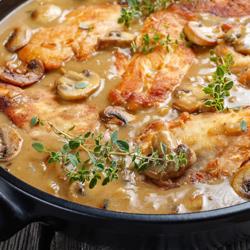
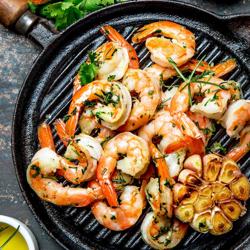
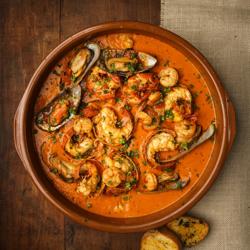
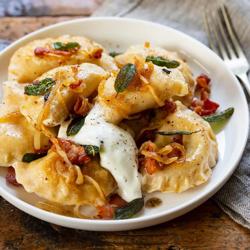
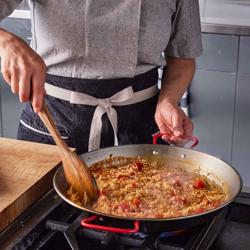
Italian Non Pasta Cooking Classes offer a flavorful way to explore the country’s regional cooking beyond its most familiar dishes. These hands-on experiences may focus on the crisp, blistered crust of Neapolitan-style pizza, the airy chew of focaccia, the patient rise of Italian sourdough or the careful shaping and baking of rustic breads. Other classes turn to risotto, where each addition of warm stock helps create the signature creamy texture, or to secondi—substantial main courses built around meat, poultry or seafood. Regional soups, braises and vegetable-forward dishes also provide a generous introduction to the way Italian cooks make simple ingredients feel deeply satisfying. When browsing a class listing, consider the menu as well as the technique: a pizza workshop is a lively choice for anyone who enjoys working with dough and high heat, while a risotto class can appeal to cooks who prefer the rhythm of stirring, tasting and adjusting. A lesson centered on seafood may be especially useful for home cooks looking to prepare delicate fish with confidence, and a Tuscan-inspired session featuring meats, beans or hearty soups can bring comforting depth to meals during the cooler months. The best fit depends on cooking experience, available time and the kind of meal you hope to recreate at home, whether that means a relaxed weekend supper, an impressive dinner for friends or a smaller plate to enjoy with an aperitivo.
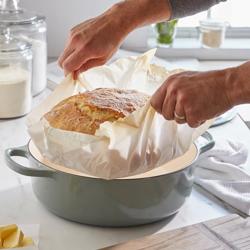
Italian cooking classes without a pasta focus can also cover the dishes that make an Italian table feel complete from the first bite to the last. Antipasti and aperitivo workshops may explore the balance of salty, creamy, briny and bright flavors across a shared spread, with guidance on arranging an inviting board and pairing complementary bites. Bread-making sessions can help demystify yeast, fermentation and shaping, while pizza classes often build practical skills in dough handling, stretching and baking. For a sweeter finish, dedicated lessons may feature tiramisu, cannoli or gelato, each offering a different view of Italian dessert traditions. Tiramisu rewards a light touch and thoughtful layering; cannoli introduce the contrast between crisp shells and a rich filling; gelato depends on texture, temperature and restraint with sweetness. These experiences are useful for cooks who want a single skill to practice repeatedly, as well as for families, couples and friends who enjoy learning side by side. They can make thoughtful gifts for a birthday, wedding shower, housewarming or seasonal celebration, particularly for someone who prefers an experience to another item for the kitchen. A class can also be a welcoming starting point for a beginner: the instructor’s demonstrations, guided practice and shared meal create a comfortable setting for learning without the pressure of cooking an entire menu alone. More experienced cooks may appreciate the opportunity to refine familiar techniques, compare regional approaches and pick up small details that change the final result, such as when to salt, how to judge doneness or how to build flavor before the main ingredients go into the pan.
When choosing among Italian Non Pasta Cooking Classes, look for clear information about the menu, class length, skill level, format and what is included. A hands-on workshop is a good choice when you want to knead, shape, season and cook under an instructor’s guidance, while a demonstration format may suit someone who prefers to observe closely and take notes. Regional context can add another layer of meaning: northern Italian cooking often highlights rice, butter and delicate preparations, central regions are known for hearty soups, beans and rustic meats, and southern traditions frequently celebrate tomatoes, seafood, citrus, olive oil and bold herbs. No single class represents every Italian kitchen, so a description that names the featured region or technique can help set realistic expectations. It is also worth checking whether the class accommodates dietary needs, how much participation is involved and whether the finished dishes are enjoyed during the session or taken home. For gift-givers, consider the recipient’s comfort in the kitchen, favorite flavors and preferred pace; an approachable bread or pizza class may be ideal for a curious beginner, while a risotto, seafood or dessert session can offer a fresh challenge to a confident home cook. Browse the selection of
Creative Italian Cooking Classes to find an experience that brings the warmth of an Italian kitchen to a shared table, from the first fragrant sauté to the final sweet bite.