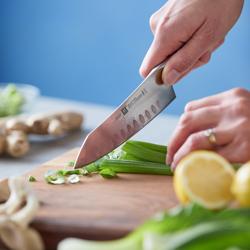
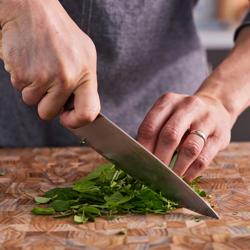
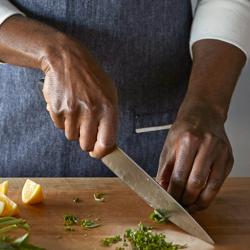
Knife skills classes for dicing vegetables offer a practical way to feel more comfortable, efficient, and confident in the kitchen. Rather than treating chopping as a rushed step between a recipe and the stovetop, these classes give you time to slow down, learn the basics, and build habits that make everyday cooking easier. Instruction commonly begins with how to position your cutting board, hold a chef’s knife, and use a safe guiding grip with the fingers of your opposite hand. From there, students practice controlled cuts, steady knife movement, and the small adjustments that lead to evenly sized pieces. A well-taught class may cover slicing, chopping, mincing, and several styles of dicing, including fine brunoise and larger macedoine cuts. Uniform pieces are more than a visual detail: vegetables cut to a similar size cook at a similar rate, helping onions soften without burning while carrots and celery reach the right tenderness. These skills are especially useful for preparing classic combinations such as mirepoix, as well as soups, stews, sauces, sautés, grain bowls, salads, and roasted vegetables. The best classes balance demonstration with hands-on practice, allowing you to repeat each movement while an instructor offers useful corrections. Look for clear guidance on knife safety, cutting-board stability, proper posture, and how to maintain a comfortable grip without forcing the blade. Sharpening and basic knife care may also be included, since a well-maintained edge can make prep feel smoother and reduce the temptation to press too hard. For a closer look at class options designed around these techniques, explore
Cooking Classes For Vegetable Prep.
When choosing a knife skills class for dicing vegetables, consider the format, pace, and level of personal instruction that suit the cook who will be attending. In-person classes can be a particularly helpful choice for beginners because an instructor can observe hand placement, demonstrate the rocking motion of the blade, and make small adjustments that are difficult to notice in a video. Working alongside other students also makes practice feel approachable; everyone gets a few uneven onion pieces at first, and the improvement becomes visible as the lesson continues. Online classes can be a flexible alternative for cooks who prefer learning at home or want to revisit a technique before preparing dinner. A structured virtual session is most useful when it clearly explains each step, includes close-up demonstrations, and leaves time for practice rather than presenting a series of techniques without pause. Before enrolling, check whether ingredients and equipment are supplied, whether you will need to bring your own tools, and whether the class is intended for complete beginners or cooks with prior experience. Class length matters as well. A shorter introduction may focus on safe handling and foundational cuts, while a more in-depth session may include sharpening, vegetable preparation, storage, and recipes that put precise dicing into context. Consider the instructor’s teaching style, the class size, accessibility needs, and whether the schedule fits comfortably into the recipient’s routine. A class can also make a thoughtful gift for a new homeowner, a college graduate setting up a first kitchen, or a home cook who enjoys learning by doing. It is a useful choice for someone who has collected recipes but still feels hesitant at the cutting board, as well as for an experienced cook who wants cleaner, more consistent preparation.
The value of knife skills becomes especially clear during the cooler months, when kitchens fill with the aroma of simmering soups, hearty stews, roasted vegetables, and slow-cooked sauces. A basket of carrots, celery, onions, peppers, or squash can look like a small task, yet careful preparation often sets the rhythm for the whole meal. There is a satisfying ease in lining up evenly diced vegetables, hearing the quiet tap of the blade against the board, and watching each piece soften at the same pace in the pan. Classes focused on vegetable dicing can help replace uncertainty with a repeatable process: secure the food, create a stable flat side, make measured cuts, and let the knife do the work. Students may also learn how to adapt their technique to firm root vegetables, delicate herbs, round produce, and irregular shapes without chasing perfection or wasting usable food. These lessons are valuable for busy weeknight cooks because better control can make meal preparation feel less tiring, and they are just as rewarding for people who enjoy taking their time with a weekend recipe. A class may be enjoyed alone, shared with a partner or friend, or given as an experience that encourages someone to spend more time cooking at home. Whether the goal is to prepare a smoother soup, a more balanced sauté, or a neatly composed salad, focused instruction provides skills that continue to pay off long after the class ends. With attention to safety, comfort, consistency, and practice, knife skills classes for dicing vegetables give cooks a dependable foundation for preparing fresh ingredients throughout every season.