
-
(259)
Always a great time with chef Joy. We have donec4 classes with her and have enjoyed them all....I would love for him to teach another/next level knife skills class....We love Sur La Table
-
Cooking Class Description: Take your kitchen confidence to the next level with this 1-hour hands-on knife skills workshop. In a small group of just four guests, you’ll get personalized coaching from a Sur La Table chef as you learn to chop, slice, dice,...
-
(71)
Great class!...Chef Joy was great and answered all questions the class had....Great Class
-
(8)
Cooking Class Description: Pierogi are delectable stuffed dumplings from central and eastern Europe and a comfort food the world over. In this class, you will learn to create the from-scratch dough, then fill it with a savory stuffing of mashed potato...
-
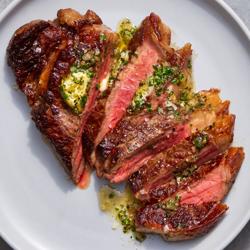
Cooking Class Description: Every great cook starts with the basics. In this class, you’ll learn to emulsify a balanced vinaigrette, practice proper knife cuts and master the art of pan-searing with control over heat and timing. You’ll explore seasoning...
-
Cooking Class Description: At the heart of all great culinary creations are tried-and-true knife skills. Join us online as our chef instructor guides you through the fundamentals from your own kitchen — how to hold and care for your knives, and the essential...
Friends Knife Skills Classes
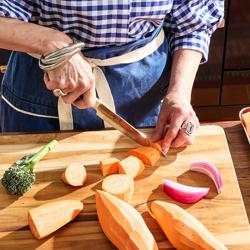
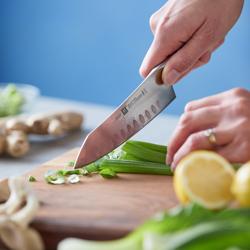
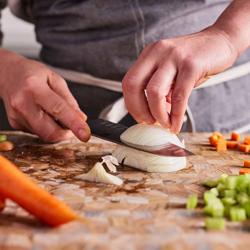
Friends Knife Skills Classes are designed to turn everyday meal prep into a shared experience you’ll look forward to. Whether you’re new to the kitchen or looking to refine your technique, these classes offer hands-on instruction in a relaxed, supportive setting. Discover how mastering the basics together makes cooking more enjoyable—and every gathering around the cutting board a little more memorable.


Friends Knife Skills Classes



-
"Always a great time with chef Joy. We have donec4 classes with her and have enjoyed them all"
-
"Always a great time with chef Joy. We have donec4 classes with her and have enjoyed them all"
-
"Always a great time with chef Joy. We have donec4 classes with her and have enjoyed them all"
-
"Always a great time with chef Joy. We have donec4 classes with her and have enjoyed them all"
-
"Always a great time with chef Joy. We have donec4 classes with her and have enjoyed them all"