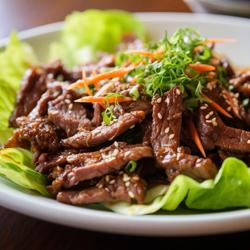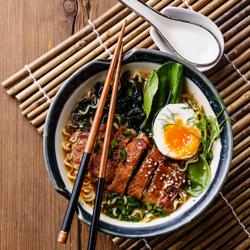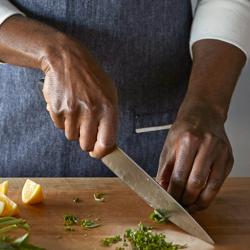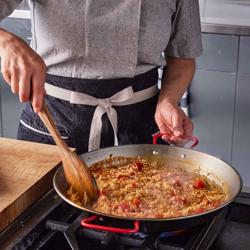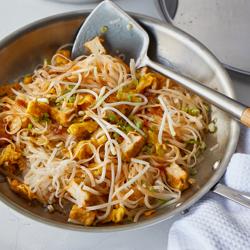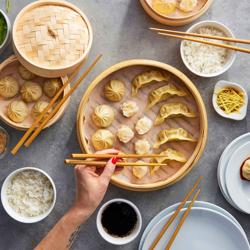
Exploring Korean cuisine through hands-on classes is a rewarding way to connect with the flavors, techniques, and traditions that define this vibrant culinary culture. Whether you’re a home cook eager to expand your weeknight repertoire or someone looking to master the art of kimchi fermentation, these classes create a welcoming space for all skill levels. March is an ideal time to dive in—the change of season brings an appetite for bold, fresh flavors and the kind of communal cooking that Korean food celebrates. In a typical class, you might find yourself learning to marinate beef for bulgogi, stir-frying glass noodles for japchae, or carefully folding dumplings for steaming. The beauty of these experiences lies in their interactive nature: you’re not just watching, but chopping, seasoning, and tasting every step of the way. Alongside the practical skills, you’ll pick up cultural context, like the importance of banchan (small side dishes) at the Korean table or the rituals behind sharing a bubbling hot pot. These classes are also a thoughtful gift for anyone who loves to cook, travel, or simply enjoys discovering new tastes with friends and family. For newlyweds setting up a kitchen together, a hands-on class can be the start of a shared tradition. For parents and teens, it’s a fun way to bond over a new recipe. Even seasoned cooks will find inspiration in the nuanced flavors and techniques unique to Korean cuisine.
When considering which class or product to choose, think about your cooking goals and how you like to learn. If you’re drawn to the art of fermentation, look for classes that focus on kimchi, where you’ll get the chance to handle napa cabbage, mix aromatic pastes, and learn how to store and serve your homemade creation. For those who love grilling, Korean BBQ classes offer hands-on instruction in marinating, grilling, and assembling a meal with all the classic accompaniments. If you’re curious about vegetarian or vegan options, many classes provide plant-based alternatives, especially for dishes like kimchi, bibimbap, or savory pancakes (jeon). Practical considerations include class size, instructor expertise, and the types of dishes covered—some sessions focus on a single specialty, while others offer a broader introduction to Korean home cooking. No matter your choice, you’ll leave with new skills, a deeper appreciation for Korean ingredients, and the confidence to recreate these dishes at home. If you’re interested in exploring beyond Korean flavors, you might also enjoy our
Asian Cuisine Hands On Classes, which offer a range of experiences across the diverse culinary traditions of Asia. Each class is designed to be approachable and informative, making it easy for anyone to bring the warmth and excitement of Asian cooking into their own kitchen.