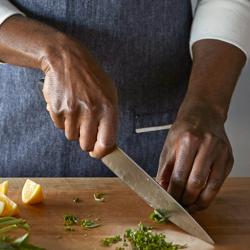
Mediterranean cooking classes for intermediate cooks are designed for anyone who has moved beyond following a recipe step by step and wants to understand the decisions that make a dish memorable. The recommended classes in this collection can help build confidence with the techniques, ingredients, and regional traditions found across Greece, Italy, Spain, Southern France, North Africa, and the Eastern Mediterranean. Look for instruction that goes beyond a single finished dish and explains how to create balance: how olive oil carries flavor, how citrus and vinegar brighten rich ingredients, how salt draws moisture from vegetables, and how herbs and spices are layered rather than added all at once. Intermediate-level learning is also a good fit for cooks who are comfortable with a chef’s knife, basic stovetop methods, and simple doughs but want more practice with timing and texture. A well-structured class may include scratch-made flatbreads, hand-shaped pasta, filled pastries, hearty legume dishes, or vegetable-forward meals that rely on careful roasting and seasoning. As the weather warms, lessons built around grilled seafood, ripe produce, chilled soups, and composed salads can bring a generous, sunlit feeling to the table. During the cooler months, the same skills translate beautifully to slow-simmered stews, braises, baked grains, and layered dishes that make the kitchen feel welcoming. When comparing class listings, consider whether the format is hands-on, demonstration-based, live online, or self-paced, and check how much preparation is expected before the session begins. A class that includes several connected recipes can be especially useful because it shows how to organize a menu, reuse components thoughtfully, and serve each dish at its best temperature.
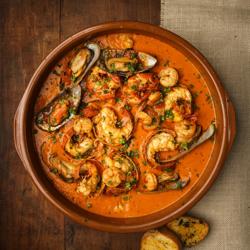
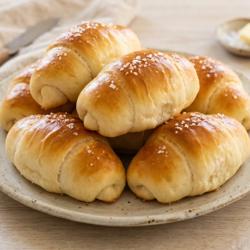
For cooks ready to take on more involved Mediterranean techniques, look for classes that explore dough, seafood, spice blending, and the careful cooking of grains and legumes. Working with phyllo or regional flatbreads requires a light touch, a clear work surface, and an understanding of how moisture affects crispness; guided instruction can make the difference between dough that tears and layers that bake into delicate, golden flakes. Seafood-focused sessions may cover scaling, portioning, filleting, whole-fish preparation, or salt-crust roasting, along with practical advice for judging freshness and avoiding overcooking. These are useful skills for a host who wants to serve a dramatic centerpiece without relying on complicated sauces. Spice-centered lessons can introduce the character of za’atar, harissa, saffron, sumac, cumin, coriander, or chermoula while explaining how to toast, bloom, grind, and combine them with restraint. Intermediate cooks often benefit most from learning how to taste as they go: a little acid can lift a bean stew, a spoonful of yogurt can soften heat, and a drizzle of herb oil can connect roasted vegetables to grilled meat or fish. Grain and legume instruction is equally practical, especially for cooks who want satisfying meals with less emphasis on meat. Classes may address soaking dried beans, cooking ancient grains to a pleasantly firm texture, building pilafs, or making creamy purées without masking the ingredient’s character. Pay attention to the class length and the number of techniques included. A focused session can be ideal for mastering one challenge, while a multi-session series offers time to practice, repeat, and understand how methods change from one region to another. For cooks interested in the Iberian side of the Mediterranean,
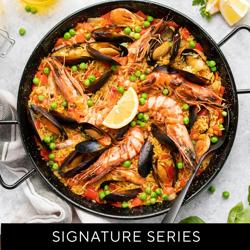
Spanish Cooking Classes for Intermediate Cooks can complement broader Mediterranean study with lessons rooted in bold paprika, saffron, sofrito, rice, seafood, and small-plate traditions.
These cooking classes can be a thoughtful gift for a curious home cook, a couple who enjoys planning meals together, or a friend who has already collected the basic tools and is looking for a more meaningful way to keep learning. They also suit hosts preparing for a shared dinner, travelers who want to bring the flavors of a favorite coastal destination into their own kitchen, and experienced beginners who enjoy a clear challenge without the intensity of professional culinary training. Before choosing a class as a gift, consider the recipient’s schedule, preferred learning style, dietary needs, and comfort with advanced preparation. Some cooks thrive in an interactive setting where an instructor can demonstrate shaping, knife work, or sauce consistency in real time; others prefer the flexibility of recorded lessons they can pause while measuring ingredients or checking a simmering pot. It is worth reviewing whether ingredients are supplied, whether substitutions are suggested, and whether the recipes can be completed with everyday kitchen equipment. The best class materials often include a shopping list, technique notes, serving guidance, and ideas for adapting dishes across the seasons. They can also inspire a fuller Mediterranean pantry, from good-quality oils and vinegars to dried beans, grains, preserved ingredients, and aromatic spices, without requiring every specialty item at once. After a lesson, the skills tend to become part of everyday cooking: a learned vinaigrette finds its way onto roasted vegetables, a successful flatbread becomes a base for a casual supper, and a properly cooked grain turns leftover herbs into a satisfying lunch. Whether the goal is to prepare a polished regional menu, improve seafood technique, or make vegetable and legume dishes with deeper flavor, Mediterranean cooking classes for intermediate cooks offer practical knowledge that continues to pay off long after the final plate has been cleared.